English
 Español
 Français
 Deutsch
 Italiano
 Português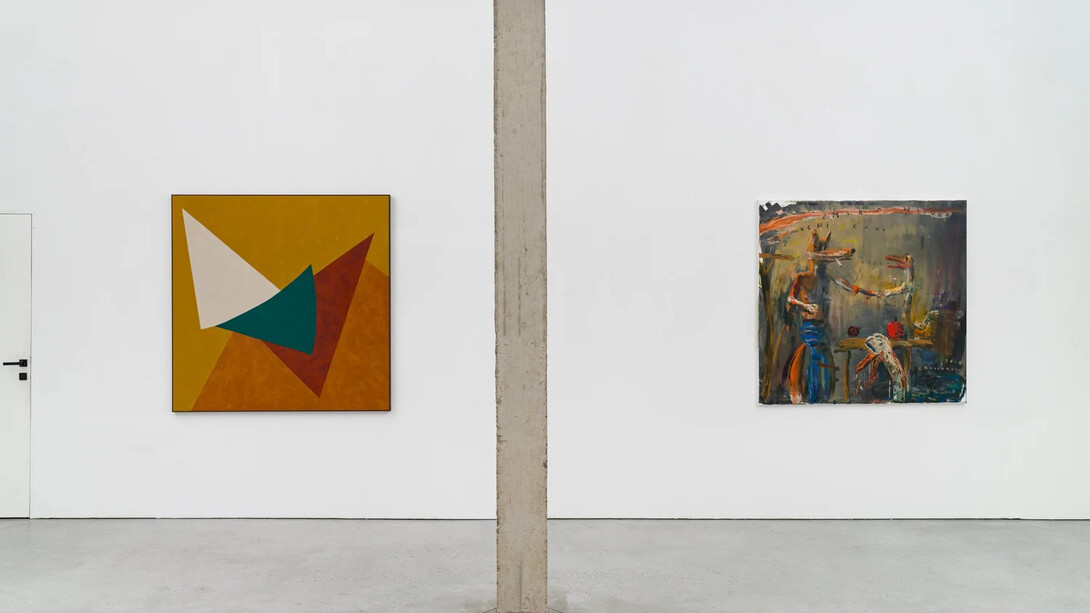
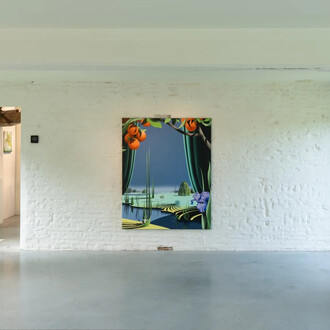
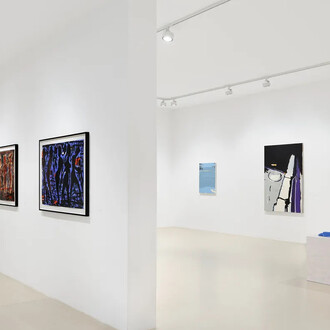
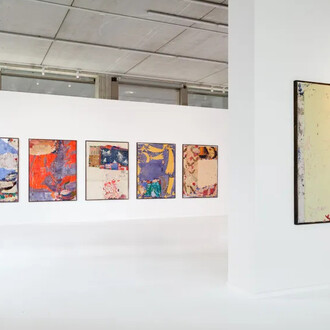
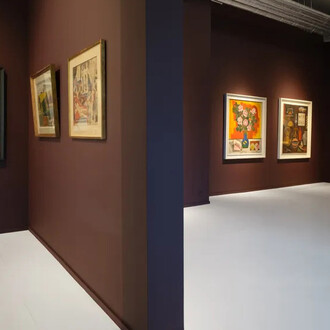
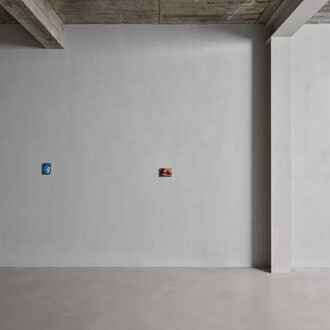
Verduyn Gallery (Moregem) and Galeri 77 (Istanbul) join forces for the simultaneous premiere of Armenian Rhapsody, an exhibition of recent works by Artur Eranosian (Yerevan/Dendermonde) and Narek Arzumanyan (Yerevan/Nürnberg).
By presenting two artists of Armenian descent simultaneously in two different countries, a narrative emerges that transcends beyond their individual works. Art that may be read in Belgium as a reflection on memory and imagination acquires in Istanbul an intensity in which Armenian history plays a significant role.
Two men in their thirties.
Two men born in Yerevan.
Two Armenians who came to Europe as refugees.
Two artists, a Belgian and a German, who give shape to their past with oil on canvas.
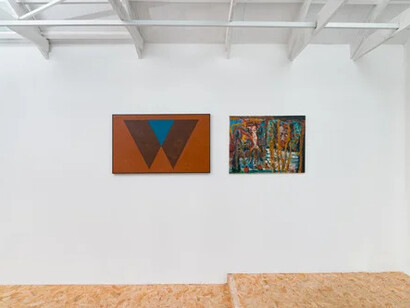
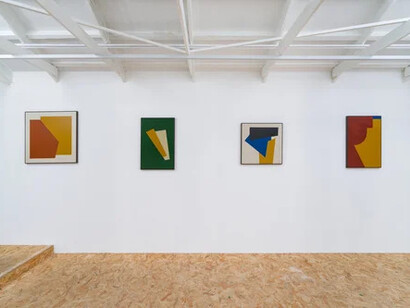
Artur Eranosian (Yerevan, 1989) was already a rare talent at the age of sixteen. As a teenager, he received photographic assignments from the media that professional photographers could only dream of. As his images became increasingly sparse, the complex son of immigrants wanted more and more. His photographs grew so minimalist that they began to resemble abstract paintings. Artur started experimenting with paint. Many years later, he continues to search and experiment meticulously in pursuit of the perfect form. Recently, his work was installed at Wetstraat 16. A work by the boy who arrived in Belgium as a refugee now hangs in the Chancellery of the Prime Minister.
Narek Arzumanyan (Yerevan, 1988) was on his way to becoming an established name in Armenia. He won the country’s most prestigious awards for his painting. But then he became critically ill. For humanitarian reasons, he was allowed to seek treatment in Germany. Since 2011, he has been living and working in Nuremberg with his wife and two children.
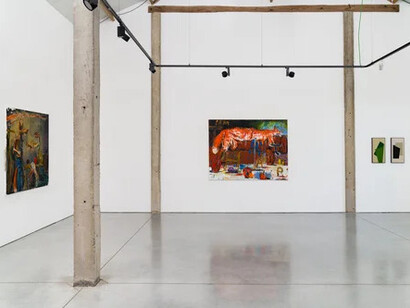
Arzumanyan tries to paint like a child who will not be punished for doing so. He works with paint so intensely that his canvases often need to be restretched afterwards. The Armenian artist, who looks like a caricature of an Armenian artist, gives form to the things he himself has experienced — in his life, in his dreams, or in the stories of others. His expressive figurative paintings are impressive collections of stories in which humour and danger, joy and trauma flow seamlessly into one another.
This collaboration makes clear how the perception of a work is not merely determined by the canvas itself, but by the alternating contexts of time, and places. Narek Arzumanyan and Artur Eranosian’s paintings move between and beyond different worlds. They show how personal and collective memory manifest differently depending on where, when, and by whom it is viewed.
Through this double presentation, both galleries underscore their shared vision: highlighting that contemporary art is not separate but rather constantly in dialogue with history and place—and that artists from the diaspora do not represent a singularity but embody multiple realities simultaneously.