English
 Español
 Français
 Deutsch
 Italiano
 Português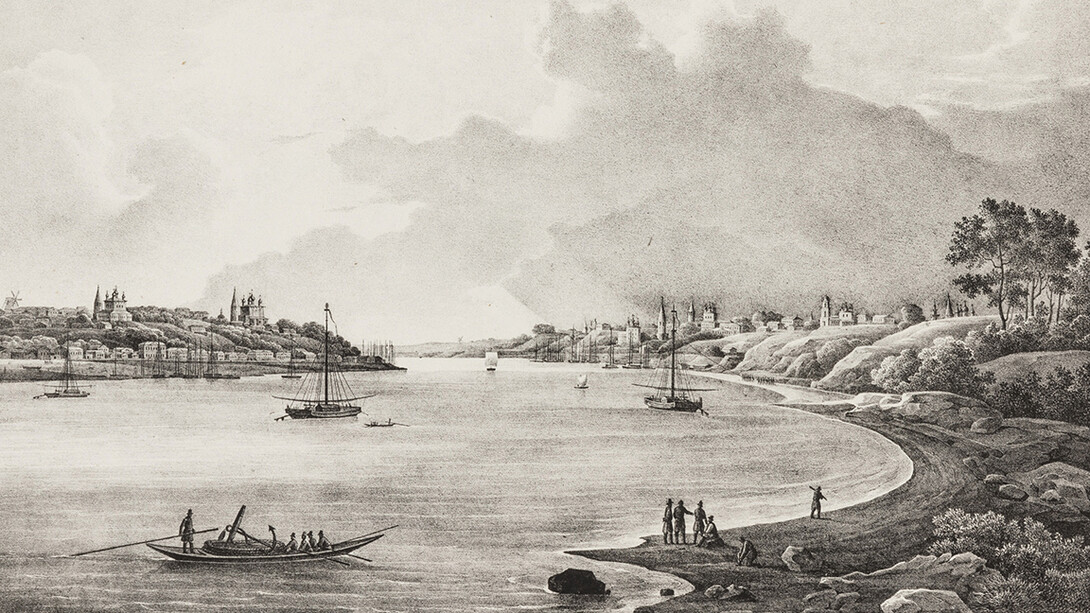
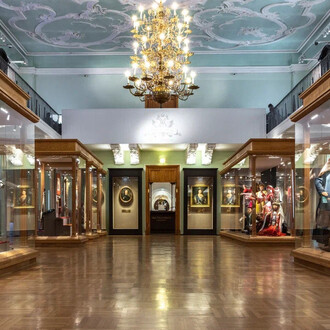
On 4 July, the exhibition Icons by the romanov-style painters in the Hermitage Collection will begin its run in the Moorish Hall of the Winter Palace.
"The exhibition exemplifies the Hermitage’s manner of discussing Russian art – selecting unique phenomena and placing them in a global cultural context, as links in 'cultural relays' – from India to Palekh, for example," Mikhail Piotrovsky, General Director of the State Hermitage, commented.
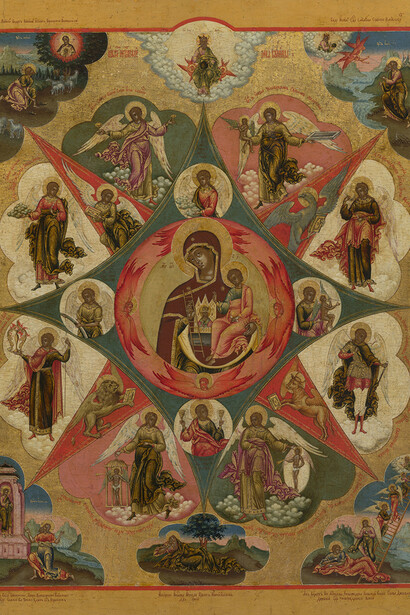
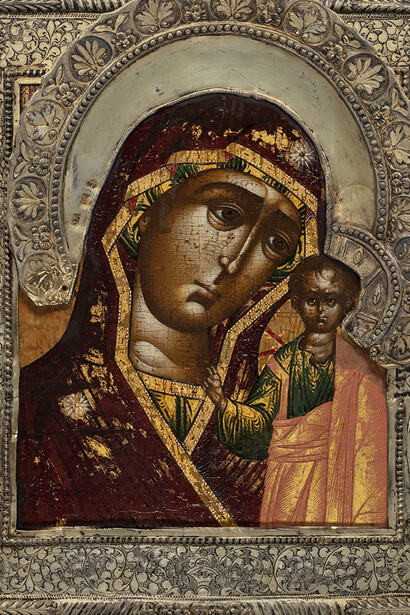
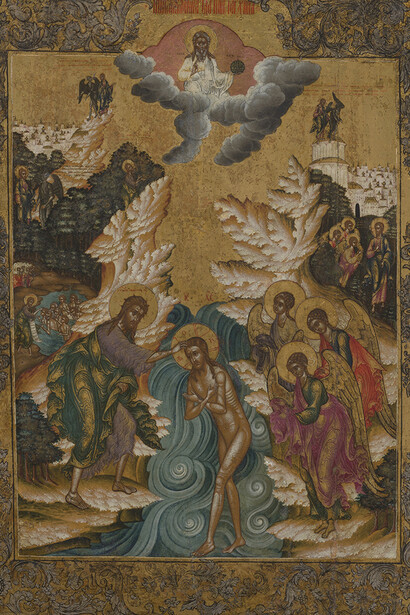
The display presents works of icon-painting, prints and photographs from the stocks of the Department of the History of Russian Culture at the State Hermitage. Most of them will be on display for the first time. The exhibition is devoted to one of the most striking phenomena in Old Believer art, which in pre‑revolutionary times came to be known as the "Romanov style" (romanovskie pisma).
There was virtually no mass production in the Romanov-style artists’ output. Works were created to individual commissions from wealthy merchants, something which is reflected both in the relatively modest number of surviving examples in museum and private collections and in the quality of the icons themselves – most of which can confidently be attributed to the elite level of late Russian religious art. Each of the surviving pieces can be reckoned a true gem, capable of adorning any collection.
The main section of the exhibition is the small but highly valuable Hermitage collection of "Romanov style" icons – just nine unique works. It reflects the main stages in the development of this distinctive icon‑painting centre in the Upper Volga basin and features remarkable examples created by the artists of Romanov‑Borisoglebsk (now the town of Tutayev) between the late 18th century and the third quarter of the 19th.
Augmenting the display are four lithographic views of Romanov‑Borisoglebsk and some of its churches, made after the Chernetsov brothers’ originals in the 1830s. During their famous journey along the Volga, those artists sketched the natural beauty and architectural landmarks of its banks, creating a detailed panorama of the mighty river. Historic newly-twinned Romanov‑Borisoglebsk was also among their subjects.
Specially for the exhibition, two photographs from the 1880s–90s depicting the Resurrection Cathedral – one of the most famous churches on the Borisoglebsk side of the river, which still houses an ancient miracle‑working image of Christ Pantocrator – have been restored.