English
 Español
 Français
 Deutsch
 Italiano
 Português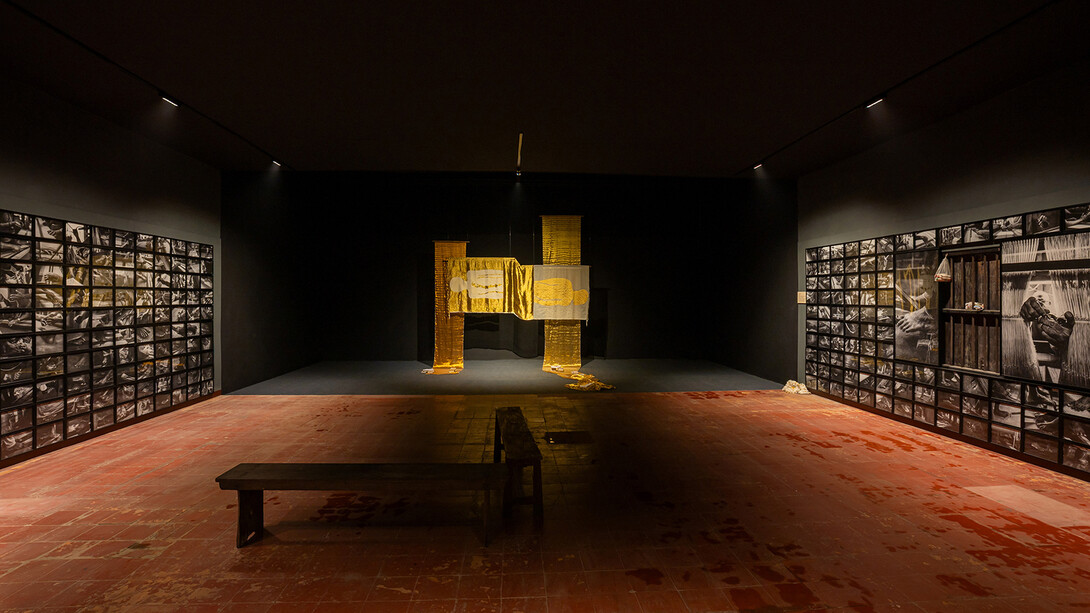
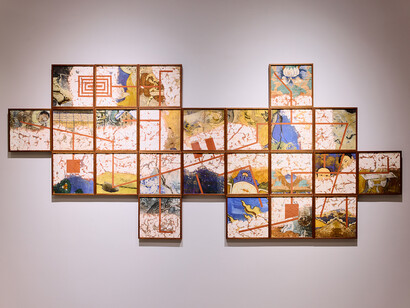
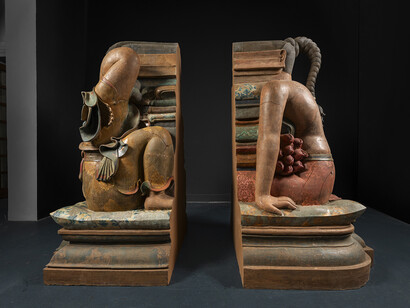
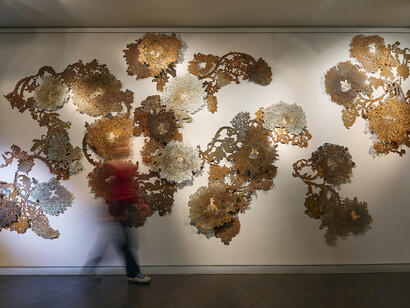
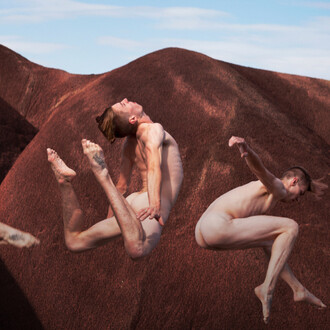
From 4 June 2026, the exhibition On the sweetness of the world. Contemporary indian art is running in the White Hall of the General Staff building. The display features works by 11 contemporary artists from various cities across India, representing different generations and working in a range of media and genres: painting, graphic art, sculpture, installation, photography, performance, video, and game installations.
"The exhibition is emphatically in the character of the Hermitage. We have selected artists who are of interest to our tradition of presenting the new within the context of existing collections, displays and traditions. Mughal miniatures, wall paintings from Silk Road monasteries and Iranian bronzes have all been brought into the dialogue," Mikhail Piotrovsky, General Director of the State Hermitage, commented.
The participants include both world-renowned artists and emerging figures: Anindita Bhattacharya, Manjunath Kamath, Lakshmi Madhavan, Debashish Mukherjee, Pushpamala N., Gargi Raina, V. Ramesh, Maya Krishna Rao, Ravinder Reddy, Sumakshi Singh and Afrah Shafiq.
A number of works were created specially for the Hermitage exhibition: some in response to a proposed theme (V. Ramesh, Manjunath Kamath, Gargi Raina, Maya Krishna Rao), others inspired by the artists' encounter with the museum's collection during a residency organized with the support of Yekaterina and Andrei Terebenin in September 2025 (Anindita Bhattacharya and Sumakshi Singh). The exhibition also features the first video game installation in the history of the State Hermitage (created by Afrah Shafiq). On 31 May and 1 June, the General Staff building hosted two performances by Maya Krishna Rao, created specially for the Hermitage and inspired by the museum's archaeological collection.
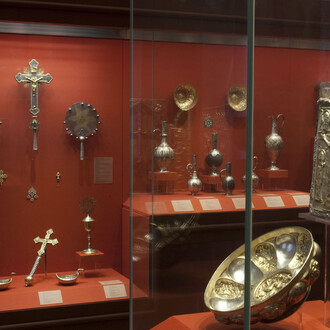
The exhibition is the first large-scale display of current, living Indian art in Russia in the last 15 years. The title of the Hermitage exhibition references the parable "On the Sweetness of the World" – a story from the Tale of the Hermit Barlaam and the Indian Prince Ioasaph, which circulated widely in mediaeval Rus’. The tale is a Christianized version of the biography of Siddhartha Gautama (Shakyamuni Buddha). Leo Tolstoy gave a free interpretation of the plot of the parable in his Confession (1884). By drawing on this little-known historical experience of the "cultural transfer" of literary and artistic imagery, the exhibition explores the less obvious connections between the two countries. Contemporary creations are exhibited alongside works of art from past eras from the collections of the State Hermitage, the Institute of Oriental Manuscripts of the Russian Academy of Sciences, the Institute of Russian Literature of the Russian Academy of Sciences (the Pushkin House), and the National Library of Russia.
A special role in the organization of the project was played by the well-known Moscow collectors of Indian art, Yekaterina and Andrei Terebenin. Having lived in Delhi for many years, they have not only become profound connoisseurs of Indian culture but have also assembled an impressive collection of contemporary art, part of which will also be presented in the exhibition. For several years, the collectors have been organizing artistic residencies for Indian artists in Russia and for Russian artists in India, holding lectures and exhibitions by emerging artists, and building a community of connoisseurs of Indian art in Russia. The collectors' long-standing connections in the Indian art world and their generous desire to share the knowledge they have accumulated made it possible to create a project that offers a view of today's India free from customary stereotypes and prejudices.