English
 Español
 Français
 Deutsch
 Italiano
 Português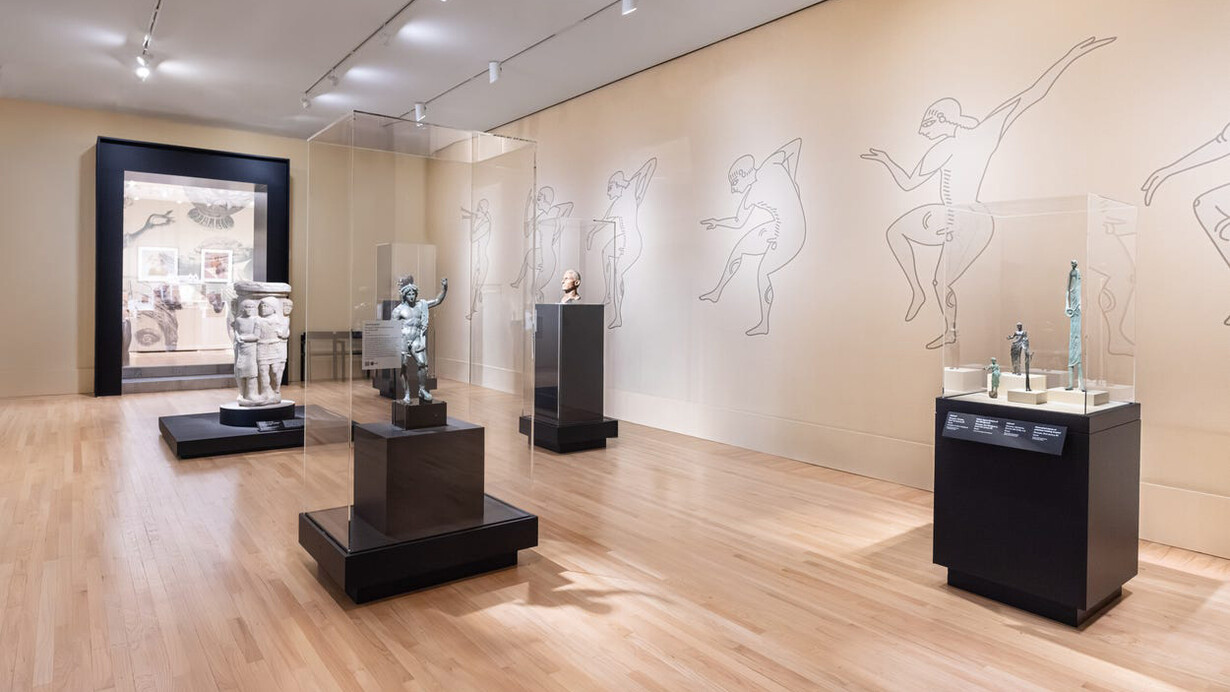
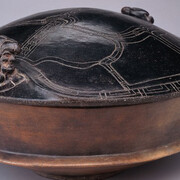
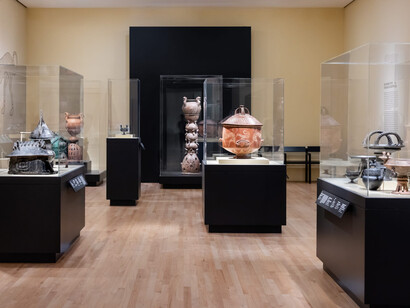
Togas, temples, hydraulic engineering, winemaking, and even “Roman” numerals, all widely credited to the Romans, were actually Etruscan innovations. The Etruscans thrived in what is now Italy for almost a millennium, from around 900 to 100 BC, before the rise of the Roman Empire. They laid the foundation for present-day architecture, engineering, and artistic achievements. Yet their culture remains overshadowed by ancient Greece and Rome. Drawing on the latest archaeological discoveries and cutting-edge scholarship, this is the most comprehensive exhibition on Etruscan culture in the United States to date. Over 150 exquisitely crafted and well-preserved examples of bronze and terracotta sculpture, gold jewelry, ceramics, and architectural features, as well as the longest-surviving piece of Etruscan writing, reveal a legacy that continues to captivate today.
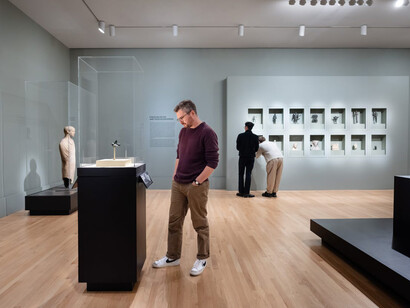
Bringing together exceptional objects from leading collections, the exhibition offers a fresh perspective on one of the ancient Mediterranean’s most influential civilizations. Through masterpieces of craftsmanship and recent archaeological research, it reveals the sophistication of Etruscan society and the profound impact its innovations had on the development of Roman culture and, by extension, the foundations of Western civilization. The exhibition invites visitors to reconsider long-held historical narratives by placing the Etruscans at the center of their own remarkable story.
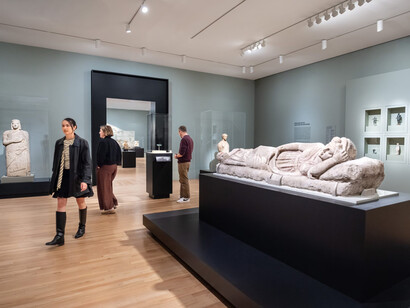
Spanning nearly a thousand years of artistic and cultural production, the exhibition explores the achievements of Etruscan artisans, engineers and builders across a wide range of media and disciplines. From monumental architectural elements to finely crafted jewelry and ceremonial objects, the works demonstrate a culture distinguished by technical mastery, creativity and innovation. Together, they illuminate the enduring legacy of the Etruscans, whose contributions continue to resonate through art, architecture and design long after the civilization itself disappeared.