English
 Español
 Français
 Deutsch
 Italiano
 Português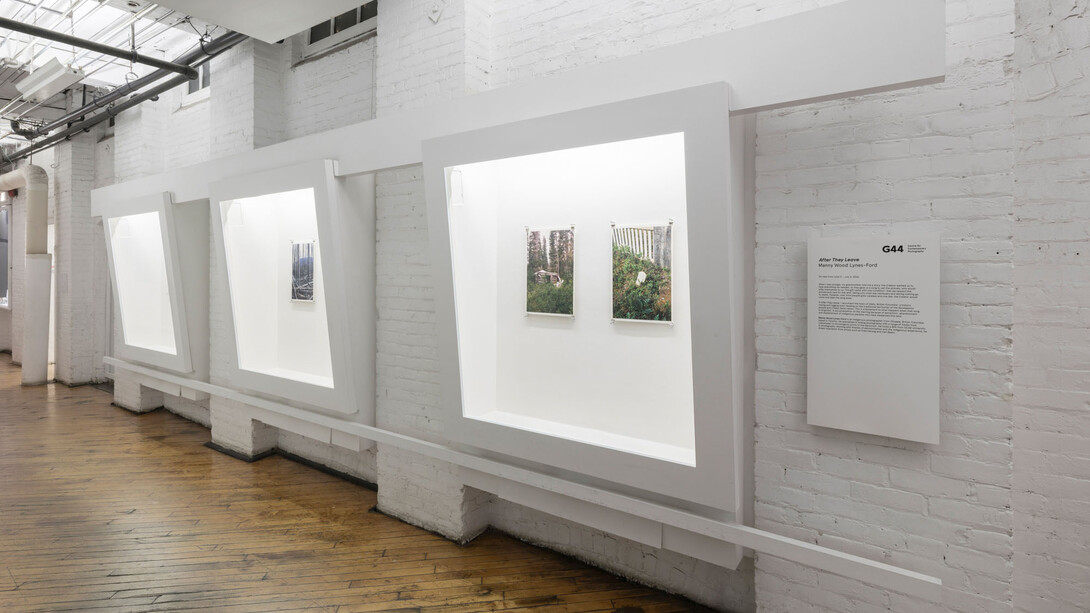
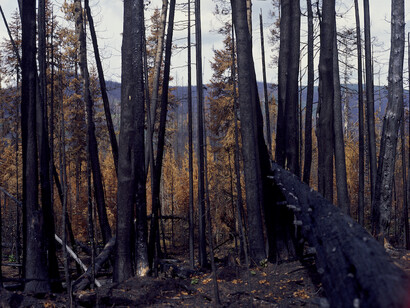
Documenting Wells, British Columbia, a historic mining and logging town on the territories of the Lhtako Dene and Secwépemc peoples, After they leave is a testament to what happens when the relationship between humans and the land is forgotten. Lynes-Ford documents the scars left behind from the process of extraction, abandonment and the displacement of Indigenous peoples who lived in reciprocity with this land.
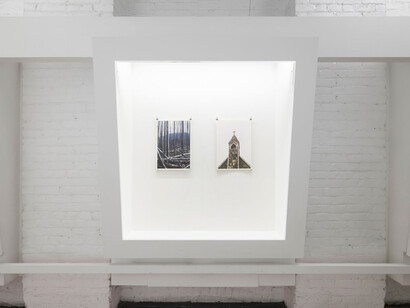
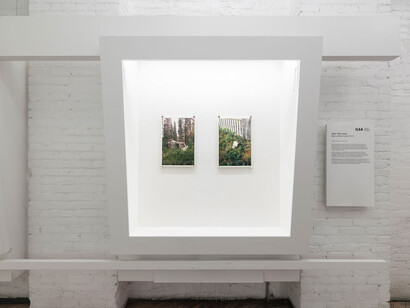
Through photography, the exhibition examines landscapes marked by industrial activity and the lasting consequences of resource extraction. Rather than presenting these sites as relics of the past, Lynes-Ford reveals them as places where histories of environmental transformation and colonial displacement remain embedded in the terrain. The images invite viewers to consider how absence, memory and ecological change continue to shape these environments long after industrial activity has ceased.
After they leave reflects on the enduring relationship between land, history and responsibility. By drawing attention to places where human intervention has disrupted long-standing ecological and cultural connections, the exhibition encourages a deeper awareness of the legacies of extraction and the importance of recognising Indigenous knowledge and stewardship. In doing so, Lynes-Ford offers a thoughtful meditation on landscape as both witness and archive, carrying the traces of what has been lost while pointing toward the possibility of renewed understanding.