English
 Español
 Français
 Deutsch
 Italiano
 Português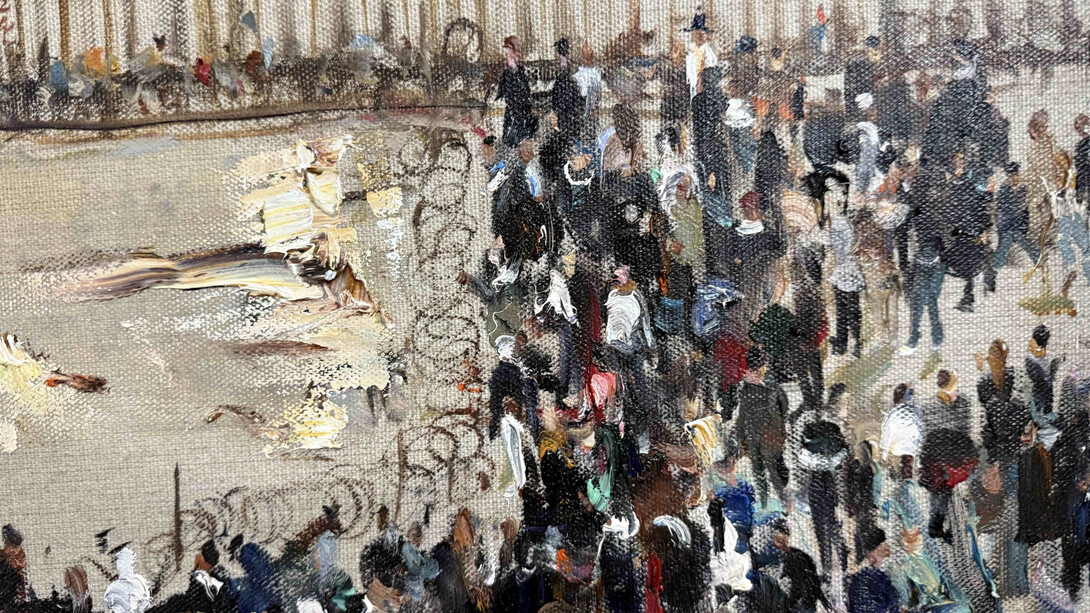
Big Eyes International Vision is pleased to present Chronicles of the floating city, the first solo exhibition in Italy by Chinese artist Du Hai Jun (Jiangsu, China, 1978), on view at Cavana Gallery during the first three months of the 2026 Art Biennale.
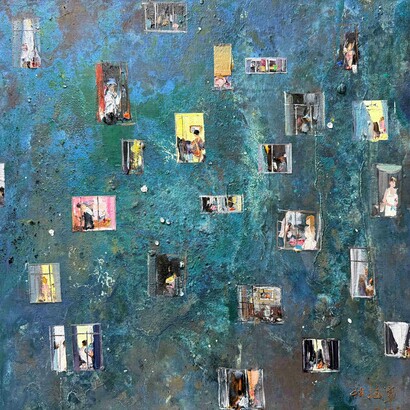
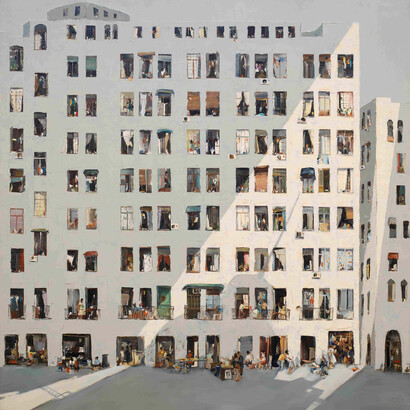
The exhibition introduces European audiences to a selection of works (32 pieces, including oil paintings on canvas and aluminum, as well as sculptures) from his most renowned series dedicated to “urban windows” (Urban Window and N windows). These series have been featured in numerous solo and group exhibitions nationally and internationally since 2013, beginning with Who can see cities at the M Art Center in Shanghai—an exhibition space designed by French architect Jean-Marie Charpentier, devoted to the promotion of contemporary art and located within the well-known M50 Creative Space art district.
In these works, Du explores the aesthetic and social experience of the contemporary city, at the intersection of architecture, memory, and collective identity. His painterly research lies between figuration and urban construction: through a masterful use of oil on canvas—and at times on supports such as aluminum—the artist investigates the phenomenology of the modern metropolis, from the density of residential spaces to the fragmentation of everyday landscapes, and the emergence of architectural grids as a metaphor for suspended individual lives.
In his compositions, windows—mirrors of humanity and silence—become the protagonists: visual testimonies of micro-stories, social tensions, and collective memories.
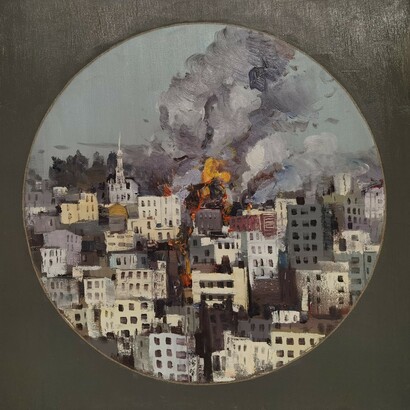
Alongside these works, the Venetian exhibition will present for the first time in Europe the artist’s recent series dedicated to urban subway systems and European metros, which connect conceptually with his previous research on urban space. It will also include the series When the smoke clears, focusing on conflicts and wars that continue to leave deep marks on contemporary society and our planet. Through images of devastated cities, the artist reflects on the tragic consequences of human actions, inviting the public to engage in collective reflection.