English
 Español
 Français
 Deutsch
 Italiano
 Português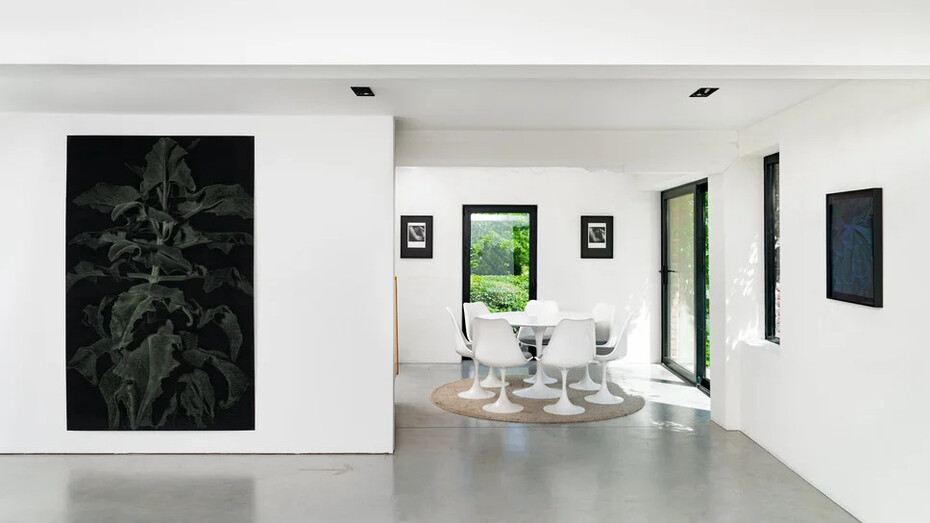
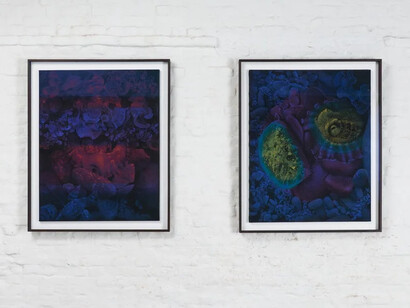
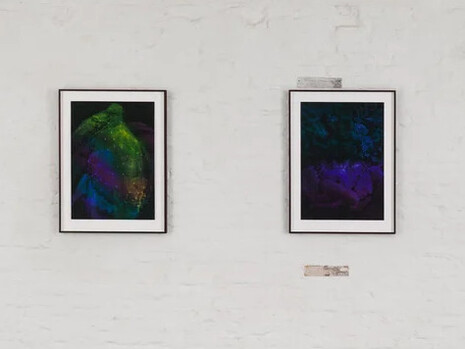
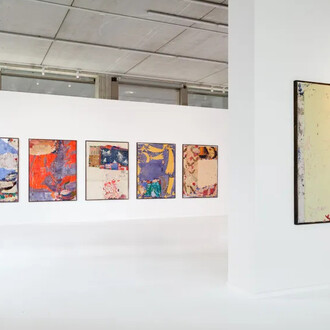
Renée Pevernagie’s (1990, Belgium) artistic work is firmly rooted in a keen interest in and appreciation of the transitory phases of people, buildings, landscapes, and flora. These observations and impressions are distilled into intricate works of varying scales. Deploying a multitude of drawing techniques, using charcoal, pigments and pastels as her primary tools, she embalms the most unassuming moments into everlasting images. Meticulously discerning the minute from the grand, she navigates seamlessly between moods by capturing uncertainty and volatility. By using the mise-en-scène of shadows she uncovers an unassuming beauty, granting a sense of vitality to these unsuspecting moments.
At Verduyn, Renée leads her highly methodical and research-driven work into new figurative and metaphysical depths. Borrowing from Jungian psychological frameworks of the subconscious, she indulges in Shadow work. The Shadow, or subconscious, is Worked, manifested into the real world. Those two words become the skeleton key from which to decipher the engine of her process. She plays with the recesses of the unnoticed; fragments of thoughts tucked away in the shadows of perception. It is in these conceptions that the strength of her work belies an ephemeral understanding of their momentary existence. Her work comes alive in the shadows of memories, transitions, states of being, and the mundane.
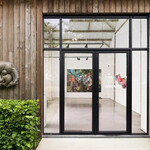
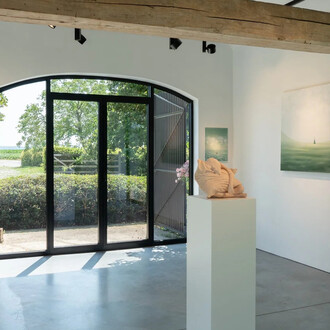
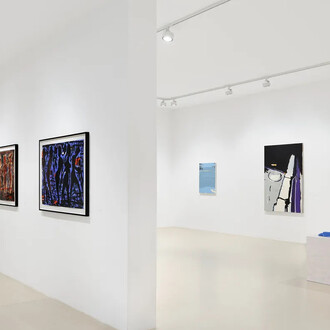
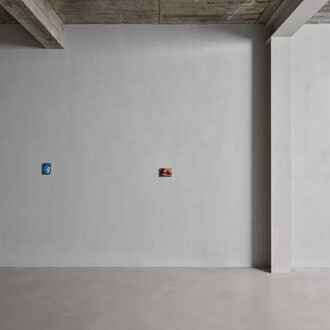
The third pavilion, which houses her work, diverges into two distinctive venues, reworking and simulating her artistic prowess into the upper and ground floor. On the ground floor, her drawings create a harmonious composition between the inside and outside of the gallery. With multiple windows providing plentiful sunlight and a view to the lush green surroundings of the gallery, a palpable tension begins to emerge. Her drawings of flora come in contention with reality, questioning what exactly is being simulated. By placing two versions of similar specimens in comparison, we're being asked to choose between the two. Are the images she has so carefully researched, scraped and etched onto paper even more enticing and alluring than the real thing? In Renée’s works, the stillness of the world will go seemingly on forever. In contrast, a plant will always live, wither, die, and ultimately disappear.
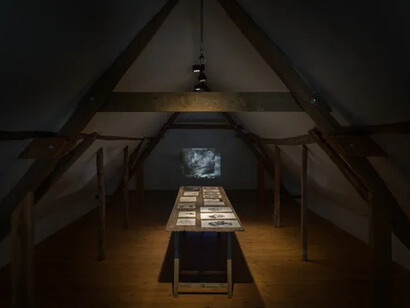
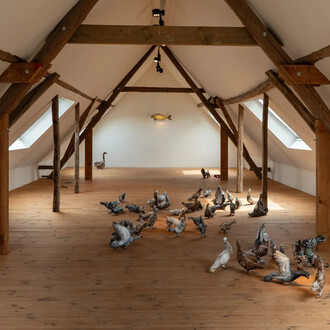
On the floor above, in what used to be the attic of a barn, the skull of the gallery becomes a make-shift library for the research process that fuels her whole artistic process. As a fastidious and thoughtful notetaker, Renee documents every phase of her research, creating a linear path towards understanding how a kernel of thought can become one of her artworks. Such is the commitment to the documentation process, that a great variety of notebooks filled with disparate thoughts, detailed analysis, highly technical descriptions of experimentation, and examinations of failures fill the room. In the spirit of “working” our own “shadow”, beyond all the research.
material, Jean Painlevé’s The octopus (1928) — widely considered to be one of the first documentaries ever made — is projected onto a wall. We follow the life of the titular octopus as it crawls, writhes, and swims from one place to the other, ultimately finding itself in the captivity of the filmmaker. The film ends with the death of the octopus. We find ourselves in a similar situation, constantly in motion, blindly mesmerized with the idea of unraveling the subconscious of the artist, captive to the world she has manifested.