English
 Español
 Français
 Deutsch
 Italiano
 Português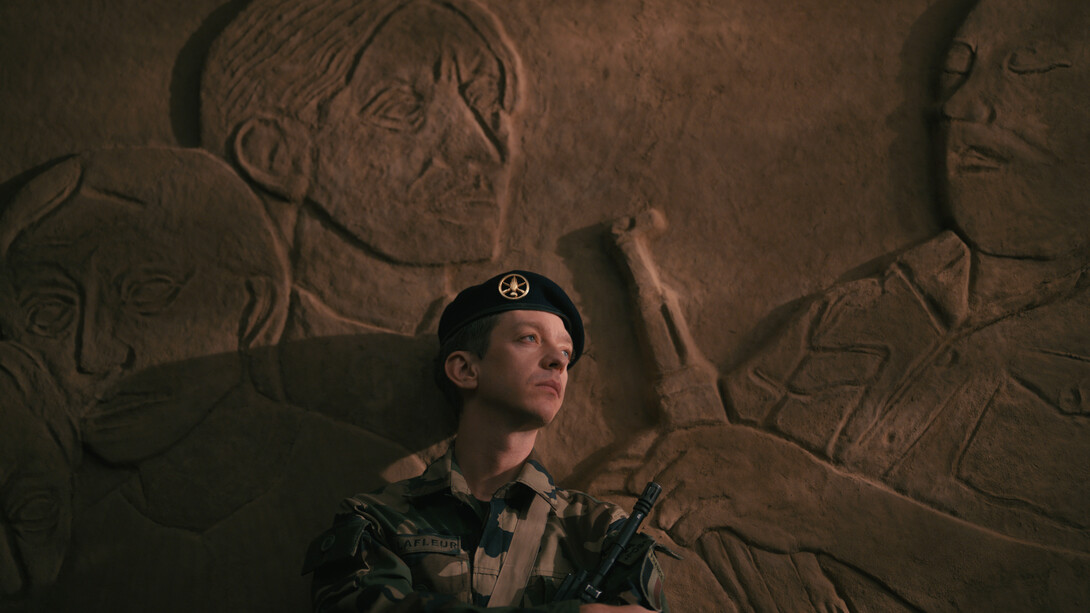
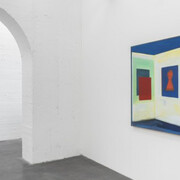
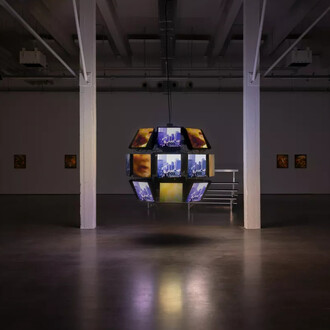
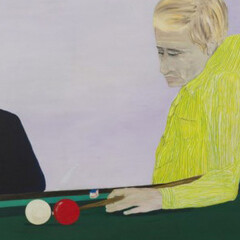
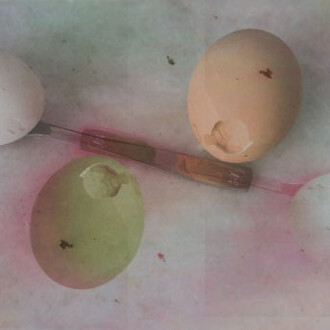
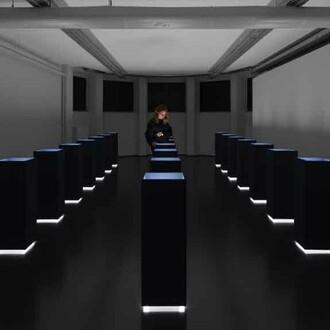
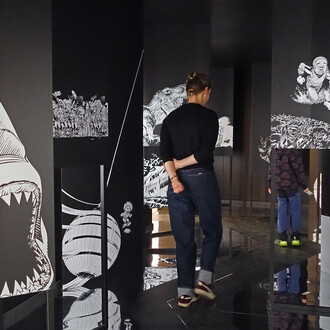
WIELS presents Soul witness, an exhibition by Ali Cherri (b. 1976, Beirut) that brings together, for the first time, several of the artist’s major bodies of work. Spanning audiovisual works, sculpture, watercolour drawings, and installation, the exhibition explores how states, armies, and museums shape collective memory and the histories that survive.
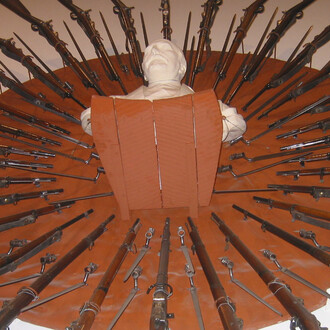
Soul witness traces an arc from the individual body under authority to the monumental structures — both material and ideological — that enforce it. Across the works on view, isolated figures, guardians, and mourners sit alongside dismembered statues and fragile hybrid creatures. Each asks which stories are preserved, which are erased, and who has the power to decide.
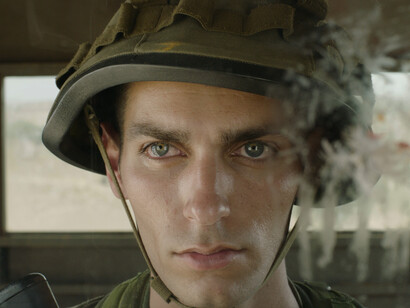
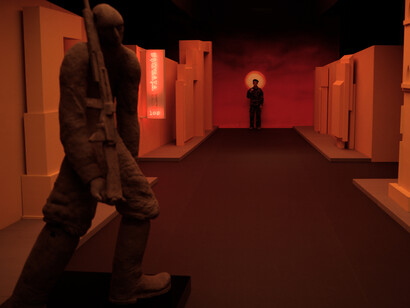
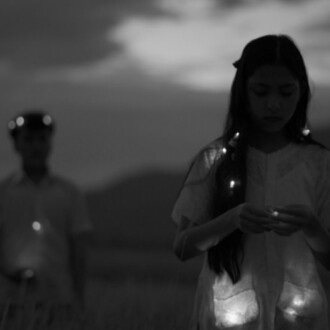
Three audiovisual works structure the exhibition. In each, the body appears in a state of suspension: watching, waiting, never quite at ease, as the site where larger political forces are inscribed. One such body is that of the soldier, who appears in two of the artist’s most recent installations. These soldiers are not presented as monumental heroes but as fragile, often isolated individuals caught in systems of surveillance and discipline. In The sentinel (2026), shown for the first time in a European institution, a French recruit drifts between the ordered routines of the barracks and the nightly encounters that destabilise his place within the military order. In The watchman (2024), a Turkish-Cypriot guard stationed in a watchtower endures endless hours of waiting, haunted by ghostly visions of soldiers from wars past.
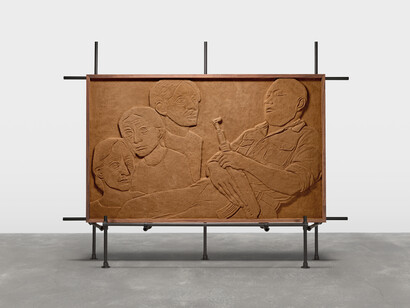
In Of men and Gods and mud (2022), the body at work is a different kind: workers press wet earth into brick moulds by the Nile in Northern Sudan, near the Merowe Dam. Mud is the material Cherri returns to most persistently. Malleable and always near collapse, it appears in creation myths across cultures, as the substance from which the first human bodies were made, and the primary building material of the earliest cities in the Nile valley and Mesopotamia.
Other works in the exhibition combine mud with bronze, marble, or found stone fragments. These material juxtapositions reverse traditional hierarchies: the “fragile” mud undermines the “permanent” bronze, suggesting a shift in power away from imperial symbols towards more vulnerable, human registers. Cherri often incorporates archaeological fragments acquired from markets and auctions into hybrid sculptures, returning displaced objects to a form of public display. In doing so, he draws attention to how museums frame artefacts, stripping or reshaping their meanings in line with national and colonial narratives.