English
 Español
 Français
 Deutsch
 Italiano
 Português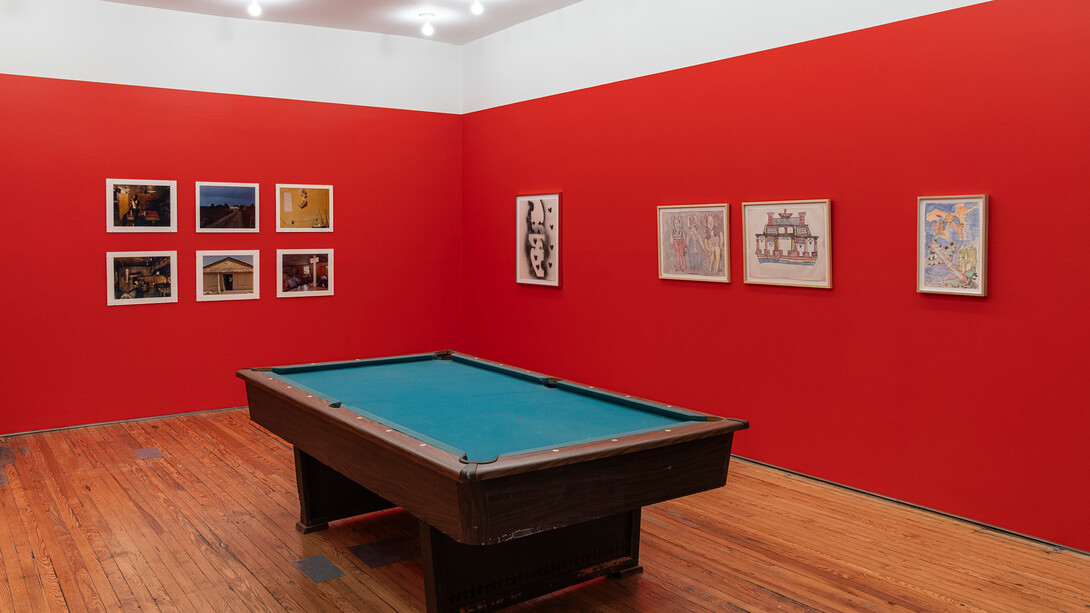
Nothing comes from nothing. Everything comes from something. The term juke is believed to come from the Gullah word joog, meaning rowdy or disorderly. Joog, in turn, is almost certainly derived from the Wolof word dzug meaning to misconduct one’s self. Juke also describes the outmaneuvering of an opponent, generally through quick movements. Colloquially the purview of athletes, this exhibition proposes an aesthetic shake off, embodied by Black artists engaged in a century-long dialogue using misdirection as a method of both survival and celebration. It takes the juke joint as both inspiration and setting.
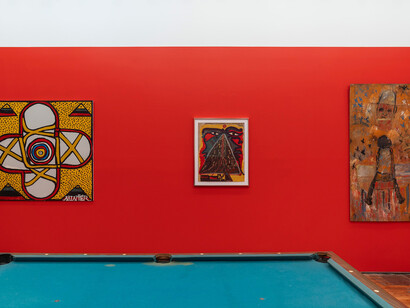
Historically, juke joints were not purpose-built but rather emerged in spaces that previously existed and later outfitted with bars, seating, decoration, and pool tables. These informal but influential establishments featured music, dancing, drinking, and sometimes gambling, operated by Black owners who provided private leisure space against the backdrop of segregation and Jim Crow.
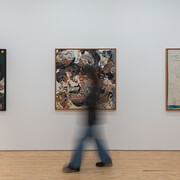
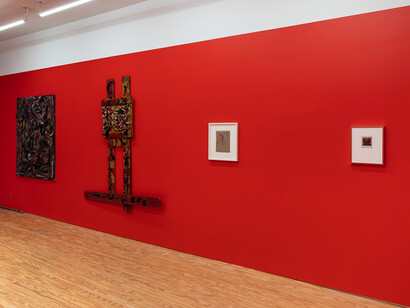
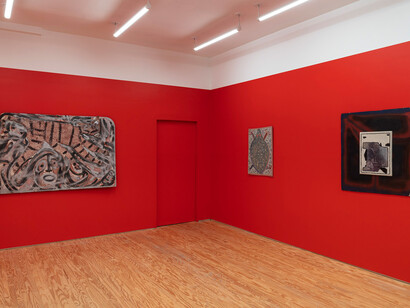
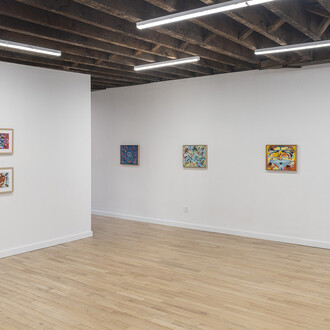
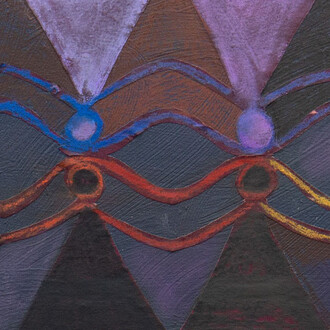
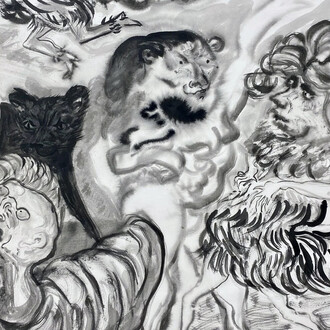
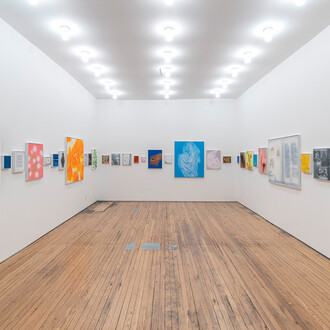
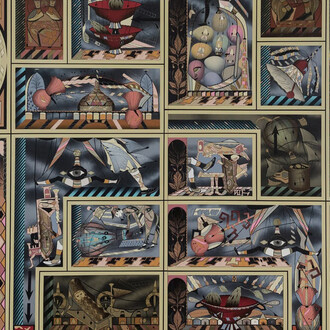
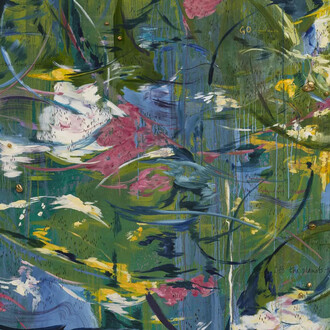
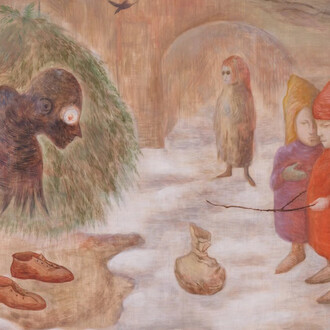
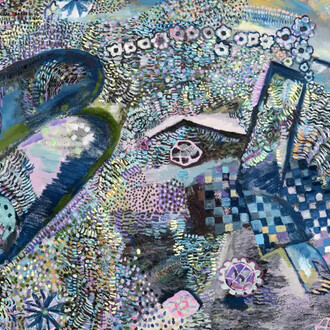
The origins of these spaces may lie in pre-emancipation community rooms, but we are ill-equipped to delve into centuries of creative survivalist response. Instead, this exhibition is focused on the development of a coherent visual language that reached a zenith in the 1980s, after the great social movements of the 1960s and before the ubiquitous arrival of ever-isolating technologies. The congruity of the works can be explained by the once widespread existence of these private gathering spaces paired with the inclinations of artists who held jobs working with their hands. The exhibition shares its title with a book of photographs by Birney Imes, published in 1990 by the University of Mississippi Press. The paintings, assemblages, drawings, and collages in our show appear to have spilled out the back door of any number of these places across the Southern United States and into the collective consciousness.
I remember walking into Tee Dee’s Lounge in Lexington, Kentucky some twenty-five years ago and being immediately struck by an overwhelming sense of place. The bar is organized around a small stage, visually anchored by the spraypainted skyline of an unknown city—equally foreboding and promising. It embodied all the potential of the world but you didn’t have to leave to feel it.
Paying homage to these vanishing spaces is not a way to memorialize them, but to recognize the aesthetics, techniques, and driving spirit they possess as juke joints continue to be displaced or closed by the passing of generations. The greatest lesson, perhaps, is the fundamental need for human beings of all backgrounds to gather away from the trappings of everyday life. It is in this spirit that we have organized our exhibition, presenting works spanning from 1939-2022 which reflect both the visual and conceptual elements of an evolving cultural phenomenon.