English
 Español
 Français
 Deutsch
 Italiano
 Português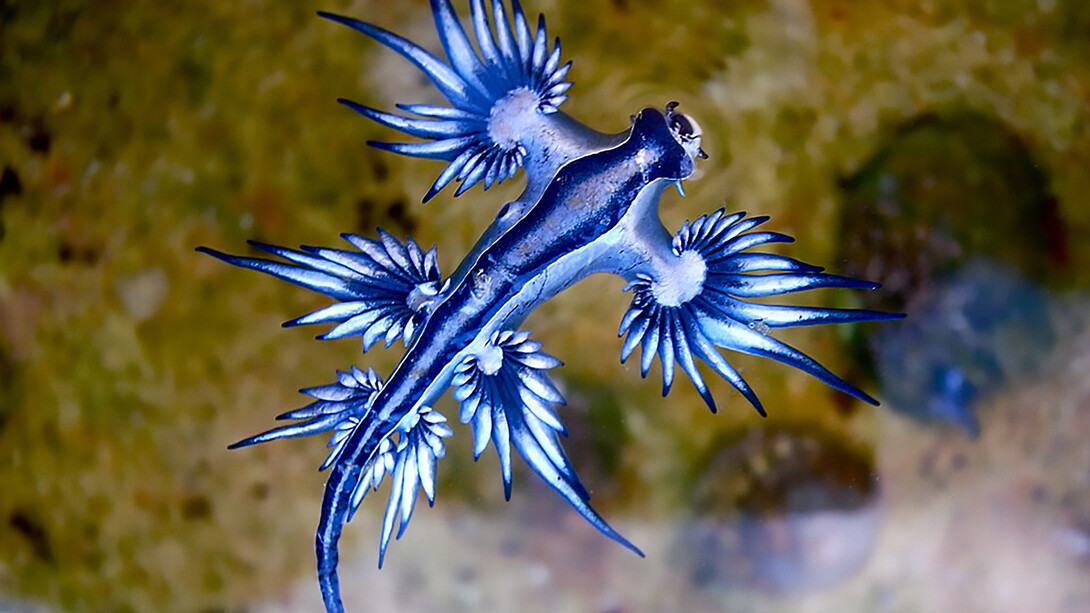
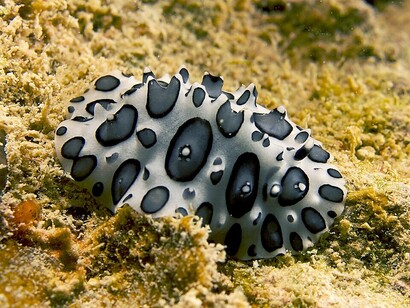
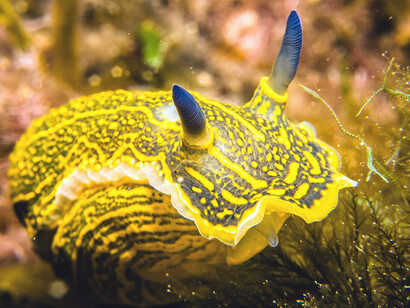
Nudibranchs are some true survival experts and far tougher than they may look. These fascinating little creatures are a type of sea slug, soft-bodied marine gastropods that shed their shells after their larval stage. They can be found in marine environments all around the world. They belong to the order of Nudibranchia, which translates to “naked gills”, referring to their gills found on their backs. These gills are very important to their respiratory system because they allow them to extract oxygen from water and expel carbon dioxide.
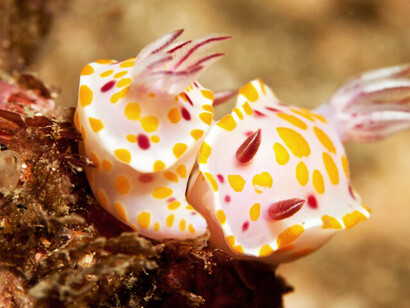
One of the most unique things about these little guys is probably their bright colours and patterns. They truly stand out, especially underwater. Nudibranchs have some of the most vibrant colours among animals. But, of course, like many bright and colourful creatures, their colours too are a warning sign to predators, indicating toxicity and the need to stay away. Nudibranchs are poisonous due to their tissues containing toxins. However, they are not venomous, which means they do not inject any substance into predators; hence, their colourful appearance is so essential. Predators have to back off before realising their food is poisonous, since by then it would be a little too late for all sides.
Feeding habits and ecological importance
Nudibranchs are carnivorous animals, feeding on various sessile or slow-moving organisms such as sponges, hydroids, bryozoans, anemones, and other sea slugs. Their feeding habits help manage these populations to avoid ecosystem dominance by any single species, which makes them a vital part of the marine food chain. Eating sponges helps prevent their aggressive proliferation and supports coral reef resilience.
These little colourful creatures aid in the movement of nutrients and organic matter through the food chain by eating filter feeders and other benthic species. Nutrients that promote microbial and algal productivity are recycled through their digestion and subsequent consumption by fish and other predators. Nudibranchs inhabit specialised niches and contribute to species richness with over 3,000 species and diverse feeding methods. High diversity contributes to ecosystem stability and resistance to extreme environmental fluctuations.
How do nudibranchs obtain toxins?
Many nudibranchs feed on chemically protected food like sponges, bryozoans, and other invertebrates, selectively absorbing secondary metabolites into their own tissues. These substances accumulate where a predator would bite first, rendering the slug unappealing and dangerous. The majority of nudibranchs obtain poison through food sequestration rather than production. After consuming other poisonous species, they store their toxins in their tissues.
Some nudibranchs feed on jellyfish and incorporate their stinging cells into their own bodies for defence. Aeloid nudibranchs, for example, defend themselves by sequestering cnidarian nematocysts in their cerata. They feed on cnidarians (like jellyfish and anemones) and consume undischarged nematocysts (which are the special cells in cnidarians that are used for defence). The nematocysts pass through the stomach without firing and are stored in cnidosacs at the tips of the cerata. This process is often called kleptocnidae, which literally means stealing stingers.
Dorid nudibranchs absorb cytotoxins by primarily eating sponges and storing their protective compounds, frequently altering them to make them more fitting to their own purposes. When threatened, many dorids expel a poisonous or acid mucus from their mantle, deterring fish and other predators. These impressive defence mechanisms help these beautiful little creatures stay safe and ensure their reproduction as well as the individual species' survival in the future.
Nudibranchs and climate change
Nudibranchs can be important in climate science because they can serve as an early warning system. Due to their short life spans of only a few weeks to one year and specialised nutritional requirements, changes in their populations can help detect environmental stressors more quickly. Nudibranchs play essential roles as indicator species and ecosystem contributors, especially in monitoring ocean warming and preserving coastal ecosystems. They are able to react quickly to environmental changes such as fluctuations in prey availability, water temperature and salinity, making them quite good indicators of climate change.
Their rapid biological reaction, characterised by rapid population turnover, allows them to reflect current environmental changes. Observing migrations toward poles or new local occurrences aids in the correlation of nudibranch shifts with climate-related redistribution. Their bright colours are – in terms of observing – a big advantage, since it is not easy to overlook them. Researchers and citizen scientists can easily spot them, especially with knowledge of their behaviours and hiding spots. Their appearance helps also in quickly identifying migration patterns, since their sudden appearance in an environment is quite noticeable. These factors make them an excellent and reliable collaborator in scientific research.
Increased species diversity, for example, among warm-affinity nudibranchs, could indicate major ecological reorganisation. A warm-affinity species increase indicates a shift towards a more tropical climate, in which warm-adapted species become more abundant, while cold-adapted nudibranchs diminish. This shift leads to significant changes in community makeup, food web dynamics, and ecosystem services. The Community Temperature Index (CTI) and other metrics help quantify these changes by measuring the abundance of thermal affinities within communities, with a rising CTI reflecting community reorganisation.
The practical benefits of using nudibranchs for climate monitoring include also low-cost techniques that use data from recreational divers, allowing citizen science groups to assemble large, long-term databases. Because of their fast reflexes to environmental changes, nudibranchs allow conservation managers the time they need to study emergent fluctuations. Combining biological data with environmental elements such as sea surface temperature is critical for directly attributing changes to climate effects, whilst long-term, large-scale datasets aid in distinguishing regular tropicalisation tendencies from transient oscillations.
Despite their ecological importance, nudibranchs are not effective carbon sinks; thus, their usefulness resides in ecological understanding rather than reducing greenhouse gas emissions. However, studies of changes in their populations combined with essential data from further research in other areas, such as plankton surveys and coral health, can bring together comprehensive data about climate impacts. This can help with further steps in environmental conservation and planning.
References
Dean, L. J., & Prinsep, M. R. (2017). The chemistry and chemical ecology of nudibranchs. Natural Product Reports, 34(12), 1359–1390.
Heathcote, A. (2017, September 12). Nudibranchs: indicators of climate change – Australian Geographic. Australian Geographic.
National Geographic. (2010, November 11). Nudibranchs | National Geographic. Animals.