English
 Español
 Français
 Deutsch
 Italiano
 Português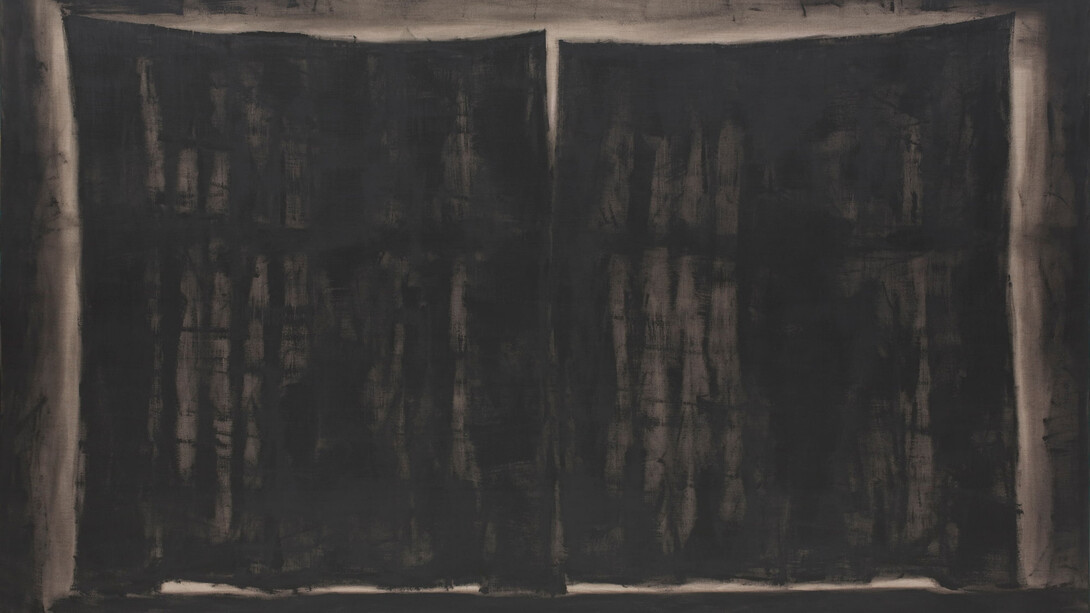
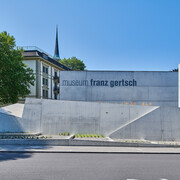
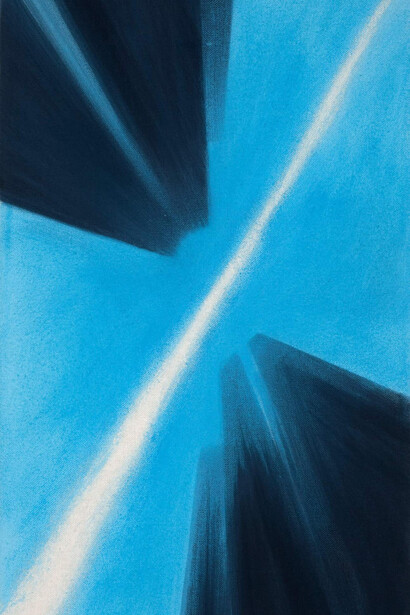
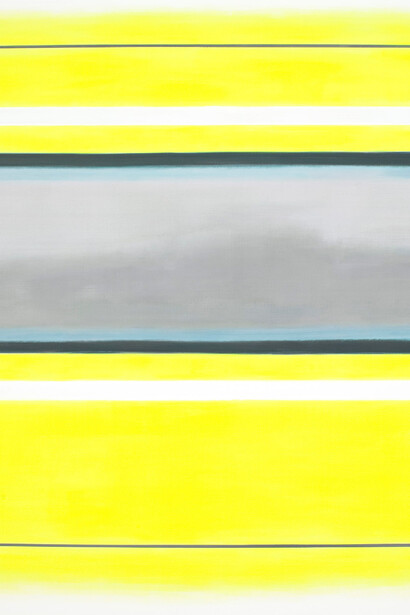
An extensive solo exhibition at the Museum Franz Gertsch showcases the oeuvre of the Dutch painter Robert Zandvliet (b. 1970) by bringing together the most important groups of works he created over the past 15 years in an exemplary dialogue. The painting is a door provides an impressive insight into the Haarlem-based artist’s pictorial explorations at the interface between abstraction and representationalism. The show is accompanied by a comprehensive monograph.
Robert Zandvliet is regarded as one of the most important contemporary Dutch painters. Since the mid-1990s he has developed his work within the antipodal sphere between representation and self-reflexive painterly practice. While the artist’s pictorial inventions always proceed from concrete motifs, his dynamic style of painting transfers them to a very free, associative space.
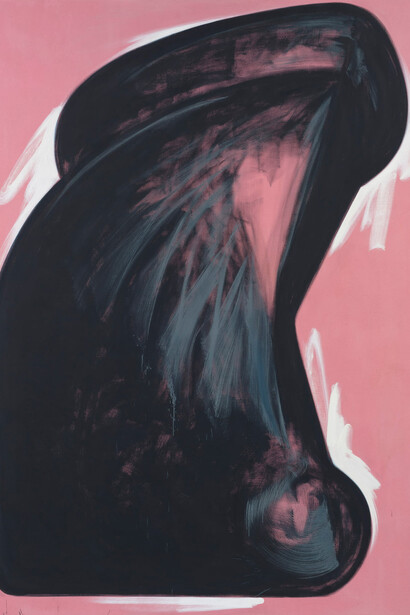
The series Seven stones (2014) plays a key role in the exhibition and is being shown outside of the Netherlands for the first time. In this impressive group of works, Robert Zandvliet focuses on stones and approaches this motif with conceptual consistency. Through the pictorial transformation they become detached from the actual subject and point to the essential conditions and methods of painting.
Presented as a cohesive unit in the first hall, this series also derives its formal homogeneity from a strongly reduced colour palette. From here the exhibition proceeds to Paradaidha, Zandvliet’s latest group of works. The Old Persian word paradaidha originally described a walled, irrigated garden, a place of plenty and good fortune that became the epitome of paradise. The selection of large-format works from this series underscores the relationship between a meticulously thought-out composition and the spontaneous expression of painterly practice which defines Zandvliet’s oeuvre. The show explores these inherent interactions with over 30 representative works.