English
 Español
 Français
 Deutsch
 Italiano
 Português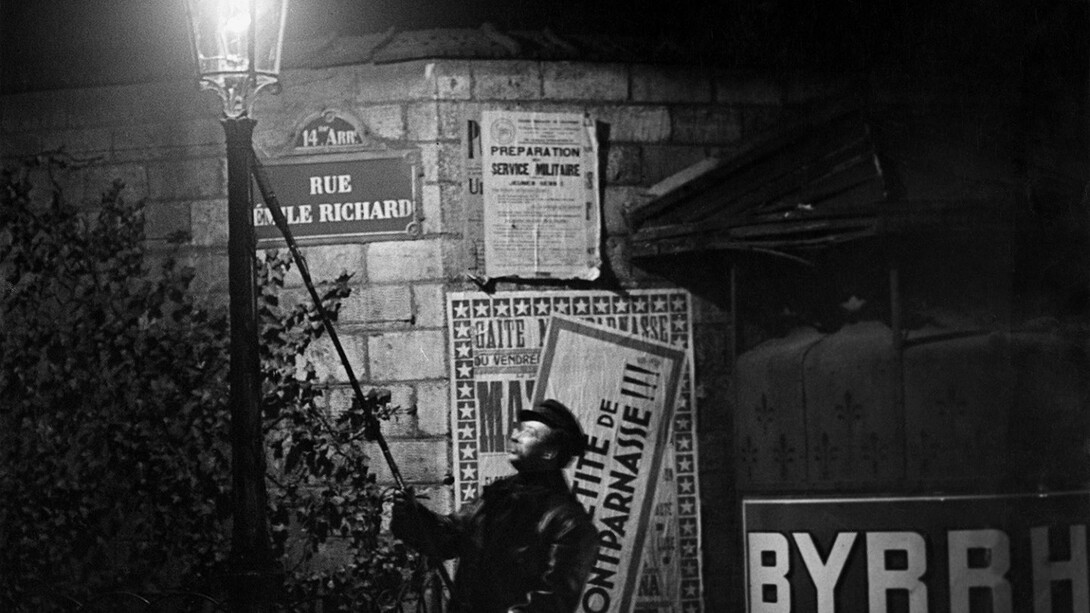
Brassaï is one of the most famous photographers in the history of photography. In the early 1930s, he set out with his camera on long nocturnal walks through Paris. Revolving around this treasure of images, the exhibition Brassaï – The secret signs of Paris includes over 160 black-and-white photographs.
Brassaï (1899–1984) is the pseudonym of Gyula Halász, who grew up in Brassó in Transylvania, then Hungary. After studying in Budapest and Berlin, he moved to Paris at the age of twenty-five. There are three themes in Brassaï’s photographic production and in the exhibition Brassaï – The secret signs of Paris: the city of Paris with its inhabitants and environments, the portraits of artists and their works, and the city’s graffiti.
Brassaï’s photographs invite us to decipher signs – the traces of events and human presence – and to search for the answer to the city’s many mysteries.
(Anna Tellgren, Curator)
Nocturnal environments and people
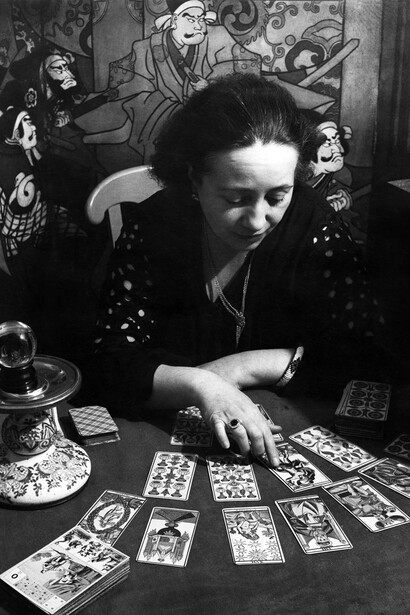
When Brassaï moved to Paris in 1924, he first worked as a journalist. His major breakthrough as a photographer came with the book Paris de nuit (Paris by night), published in 1933. Many of his famous motifs can be found here – Notre-Dame and the Eiffel Tower, bars and dance halls, artists and workers, policemen and petty thieves.
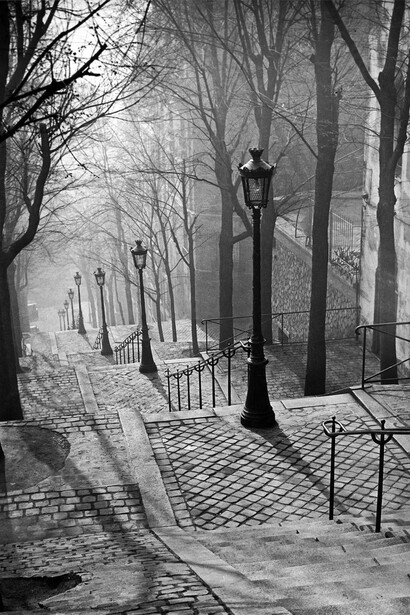
The black-and-white photographs with motifs in soft tones were the result of his long nocturnal walks through Paris – his camera lens captures environments and people in the light of street lamps and the light falling from the buildings of the city.
The exhibition Brassaï – The secret signs of Paris includes more than 160 vintage gelatine silver prints made by the photographer himself.
The first room of the exhibition features Brassaï’s legendary night photographs of Paris, its inhabitants and environments. The middle room shows his extensive documentation of the city’s graffiti, and the last room of the exhibition presents more of his images of life in Paris.
Brassaï’s film from the mid-1950s, Tant qu’il y aura des bêtes (As long as there are animals), which was awarded as the most innovative short film at at the Cannes Film Festival in 1956, is also included in the exhibition.
Bars, dance halls and brothels
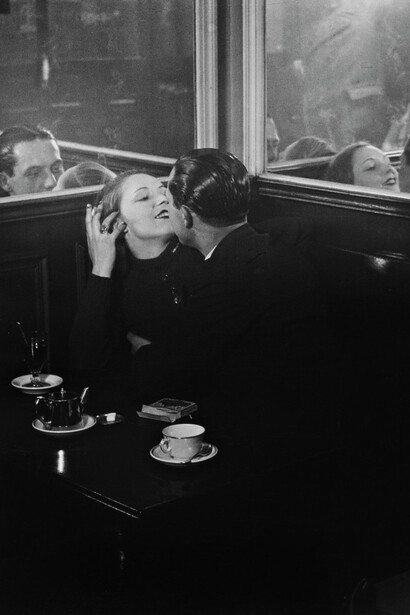
After the success of Paris de nuit, Brassaï received requests to publish the material that includes his more intimate photographs of Paris by night – the bars, dance halls, gay clubs and brothels. But at that time, in post-war Paris, censorship had become stricter and publication had to wait.
It was not until about forty years later, in 1976, that the book Le Paris secret des années 30 (The Secret Paris of the 30’s) was published, based on Brassaï’s large collection of photographs.