English
 Español
 Français
 Deutsch
 Italiano
 Português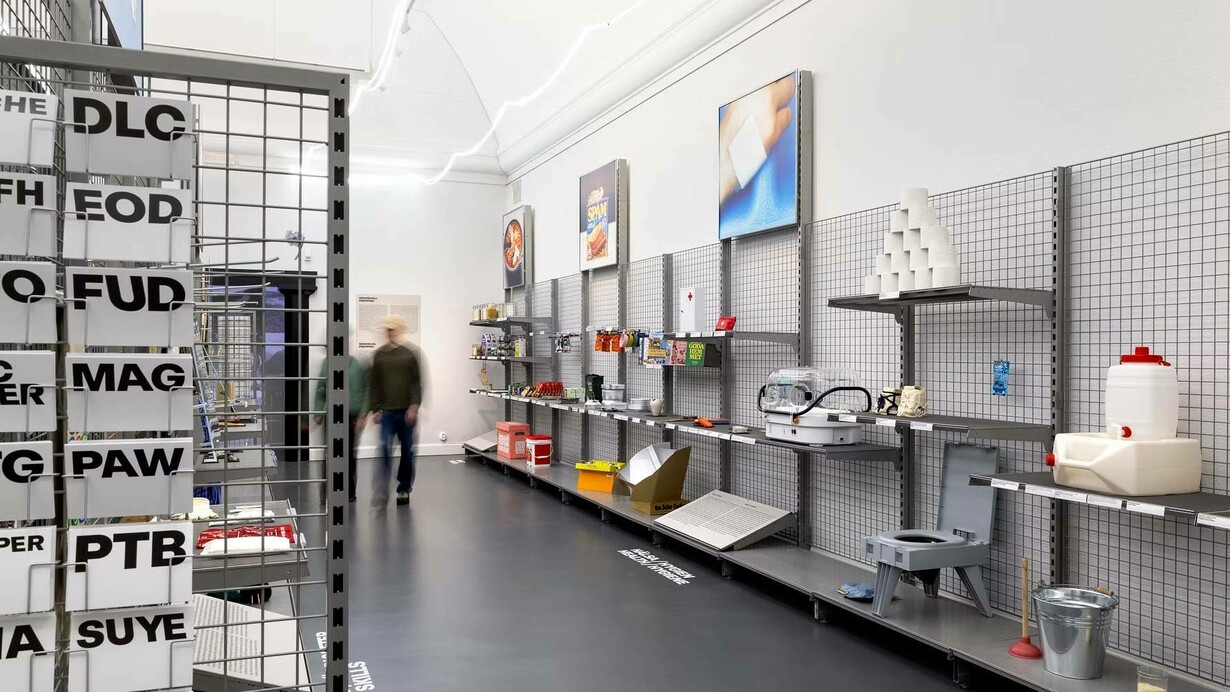
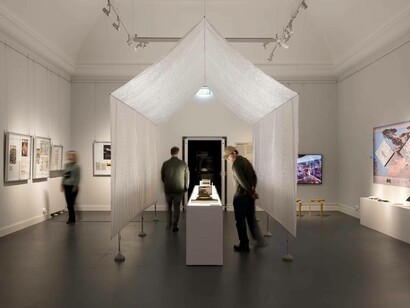
On 7 February, the international exhibition We will survive: the prepper movement and design opens at the Röhsska Museum in Gothenburg. The exhibition explores how design is used as a tool for survival, control, and hope in a world marked by uncertainty and instability.
The exhibition explores how people prepare for an uncertain future, from preppers using design to secure their own survival, to society’s civil protection in case of war or natural disasters. Through the exhibition, we ask whether we all are – or should be – preppers, says Olivia Berkowicz, Curator of Exhibitions at the Röhsska Museum.
In recent years, questions of prepping for crisis and household readiness have taken on an increasingly central role in public debate. At the same time, the prepper culture associated with these issues has shifted from something marginal and somewhat secretive to, if not a popular movement, then at least something most of us have thought about.
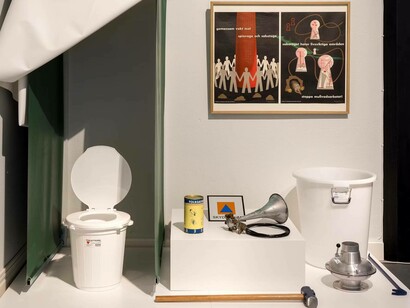
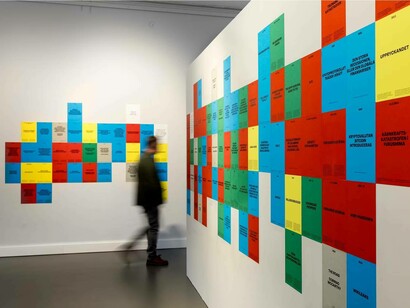
The exhibition highlights both governmental and individual approaches to preparedness, encompassing products and technical solutions, but also skills and creativity. More than 200 design objects are on display, which illustrate how design can serve as a strategy for survival, including architectural models, magazines, historical video material, and post-apocalyptic scenes from films and video games.
The brochure In case of crisis or war, distributed to every household in Sweden, marked a turning point in the public awareness and popularisation of the prepper movement in the country. The exhibition is particularly relevant for the Röhsska Museum as it underscores the role of design and creativity as essential elements of preparedness, says Nina Due, Museum Director.
We will survive: the prepper movement and design is produced by mudac – Museum of Contemporary Design and Applied Arts in Switzerland. Based on extensive research into the history and contemporary phenomena of prepping, the exhibition includes several specially commissioned works by leading designers, filmmakers, photographers, and artists, among them Swedish designer Reed Kram.
For its presentation at the Röhsska Museum, the exhibition has been adapted and expanded to include a Swedish perspective, incorporating objects from the Swedish Civil Defence and Resilience Agency, for example.