English
 Español
 Français
 Deutsch
 Italiano
 Português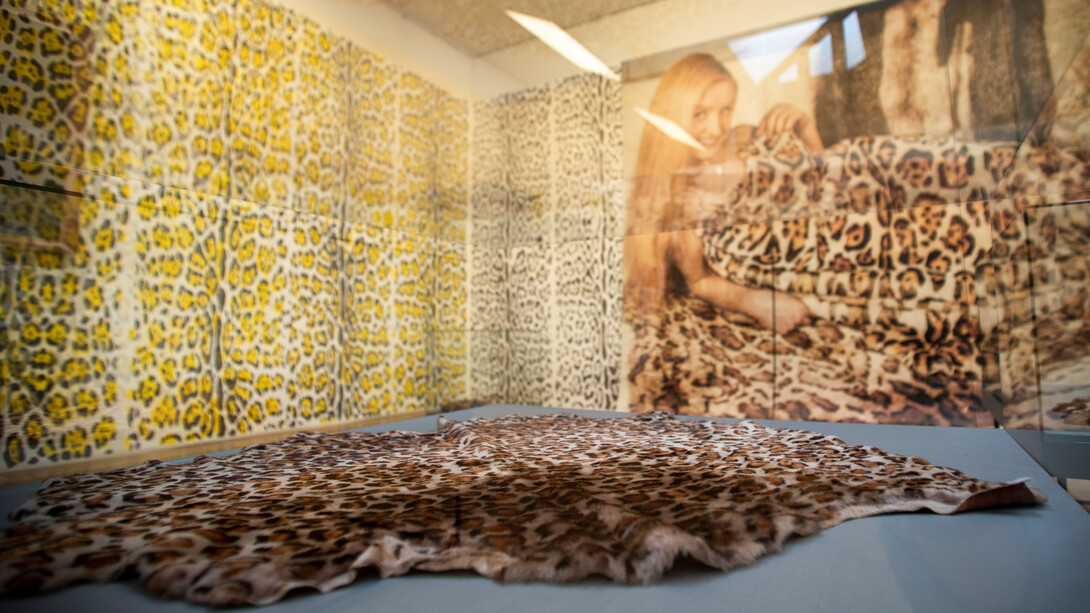
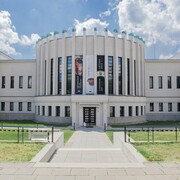
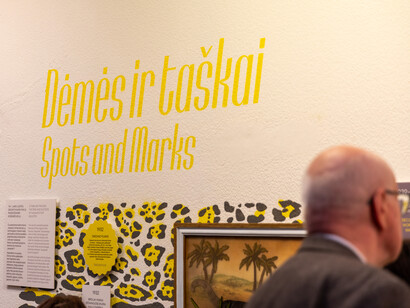
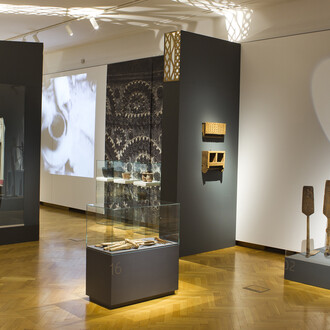
The exhibition Transfurmation. The legacy of Kaunas Fur Industry at the Kaunas Picture Gallery (K. Donelaitis St. 16, Kaunas).
It's soft, plush, gleaming, exceptionally warm, and leopard-patterned. And it hails from Vilijampolė, Kaunas.
Stroke it with the grain and it purrs with stories of success: prestigious international awards, a medal from Brussels; it rubs up against you, bristling with diplomas from Leipzig, Erfurt, Montreal and Paris.
Stroke it against the grain and it bares the golden teeth of the Communist Party, opens the predatory jaws of privatisation, releasing an indescribable stench of sulphur and formalin. Beware: if you sink your fingers too deep into the dense fur, where a few KGB fleas lurk, this beautifully patterned beast will fly into a rage and hurl you straight into the chromium-soaked sludge of industrial waste—where everything is meant to be forgotten.
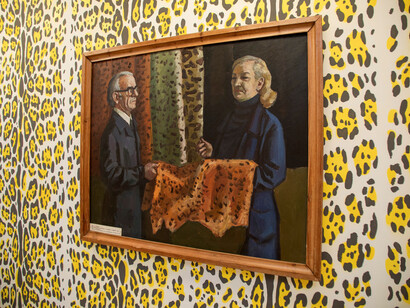
Do not be alarmed, this is not a predator, but a sheep disguised as a leopard. More precisely, it's a stencil-dyed mouton. This exceptional-quality product began to be made in 1956 at the “Vilkas” factory in Kaunas.
The brazen Western boldness of Kaunas “leopard” patterns seemed to contradict the Communist Party’s ideal of the modest, desexualised Soviet person. And yet, despite this contradiction, these convincing imitations of predatory furs spread widely across the Soviet Union. Kaunas “leopards” were everywhere—from the freezing cold of Murmansk to the warm wardrobes of Moscow’s party elite. As part of exhibitions showcasing the achievements of Soviet industry, they travelled far and wide, winning over experts not only from the socialist bloc but also in the free world.
In Lithuania, at least three generations grew up shrouded in much-coveted children’s leopard' coats. That alone makes it worth trying to unravel the mysteries of the origins and evolution of the Kaunas “leopards”.
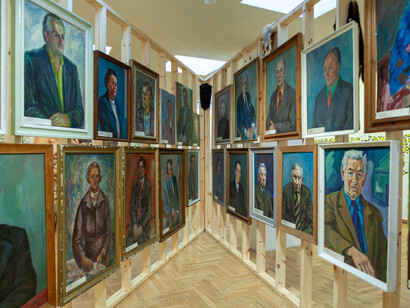
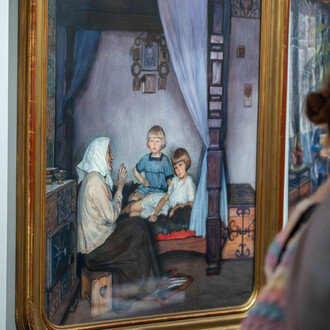
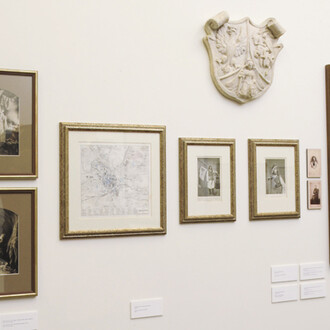
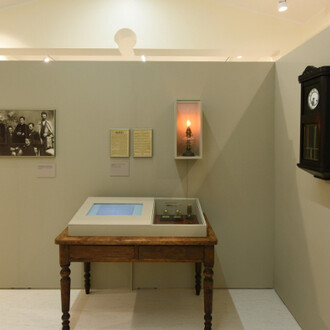
This exhibition delves into the dramatic legacy of the historic “Vilkas” factory in Kaunas, revealing its archives, product samples, and testimonies from those who worked there. An intriguing puzzle is also presented by artworks that have resurfaced from the fur combine—a mysterious gallery of portraits of long-standing and model workers. It was created by well-known Kaunas painters and has been travelling through time and space for forty years.
“Transfurmation” invite us to revisit the historical ruptures that shaped us—this time discovering them buried deep beneath soft fur coverings and in the colourful imitations of predators. Perhaps, in the patterns of the Kaunas “leopards”, you will find that painfully missing fragment of your own identity.
The exhibition is presented by the community platform Backup Stories, which is celebrating its tenth anniversary this year. Its exhibition cycle 'The Great Industry' examines industrial heritage and the uncomfortable memories associated with it—the grotesque reality of the Soviet regime and planned economy, and the grimaces of privatisation. Rather than being left at the margins, the testimonies and archives gathered from the industrial community deserve a firmly defined place on Lithuania’s cultural and historical map.