English
 Español
 Français
 Deutsch
 Italiano
 Português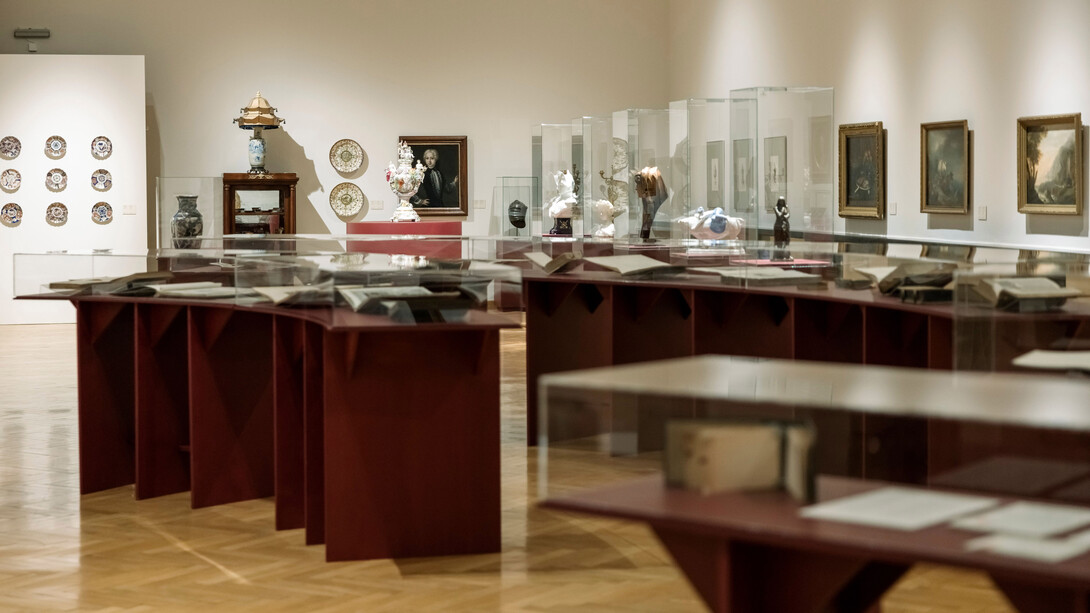
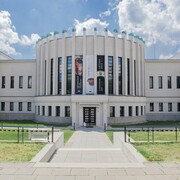
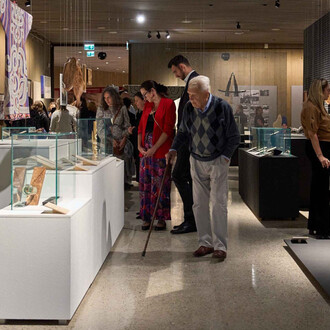
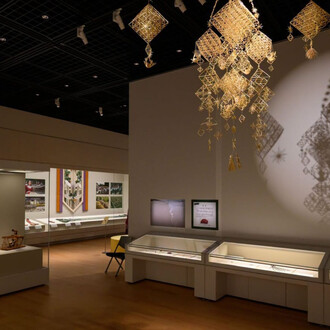
At the M. K. Čiurlionis National Museum of Art (V. Putvinskio St. 55, Kaunas), the exhibition The sworn: re/collections on Vladas Daumantas.
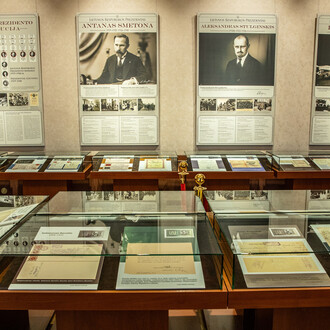
The multilayered exhibition title is both expansive and provocative. Through texts, images, and objects related to priesthood, state-building, his later work as a sworn translator, and, of course, his irrepressible passion for collecting, the exhibition reveals the thinking of Vladas Daumantas-Dzimidavičius – the figure at its center. Visitors are invited to join him on this remarkable journey.
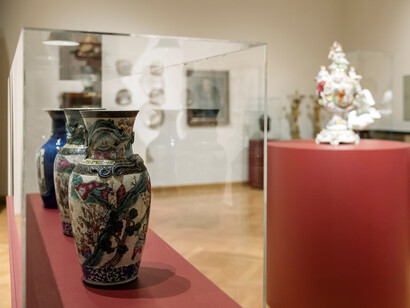
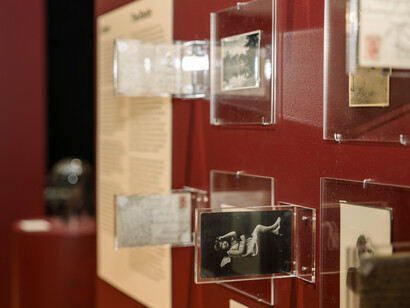
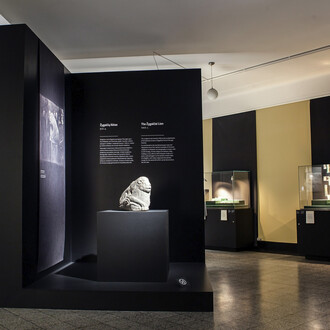
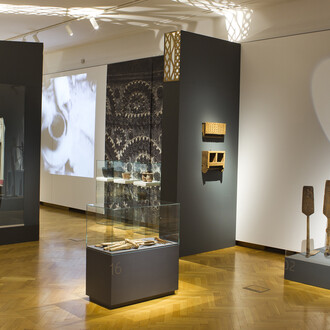
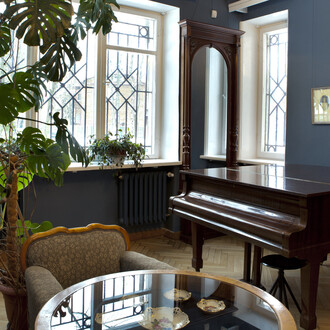
The exhibition consists of five main sections: Daumantas’s oaths to God, to the Homeland, to language, to the book and to art, as well as a space dedicated to his musical pursuits, entertainment, and leisure. Each section features a key object distinguished by its historical, cultural, or symbolic significance.
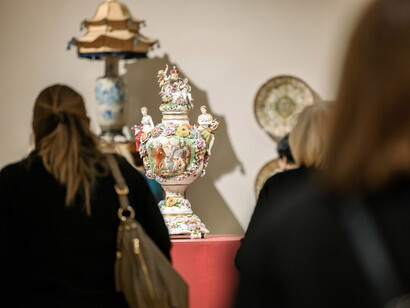
Daumantas’s oath to God is symbolized by a wooden double-sided cross from his collection, dated to the 18th–19th century. His oath to the Homeland is embodied by the map of Lithuania (Carte de la Lituanie) compiled by Daumantas and printed in late 1917 in Bern with the support of the Lithuanian Information Bureau. At that time, such a comprehensive, multilayered map of Lithuania was exceptional and highly representative; it attracted considerable attention – four editions in Switzerland and another in the United States – and simultaneously supported Lithuanian politicians and diplomats in their pursuit of national independence. Daumantas’s oath to language is marked by the signboard of his interwar career as a sworn translator at the Kaunas District Court, radiating the spirit of that era. The key object representing his oath to the book is the superekslibris – an ownership stamp with the initials VDD – designed in the 1920s–1930s according to Daumantas’s project and used to mark the volumes bound for his library. His oath to art is symbolized by an impressive porcelain incense vase made in German workshops, adorned with sculptural details, painting, glazing, and gilding.
Symbolically, the exhibition brings together for the first time the values Daumantas acquired early on during his years at the Samogitian Theological Seminary (1905–1911) and the exceptionally rich collections he assembled in Fribourg, Lausanne, Bern, and Kaunas (1912–1944). Through the mediation of Kazys Varnelis, works and publications from Daumantas’s Chicago period (1951–1977) are also presented.
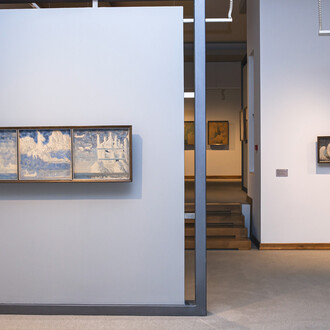
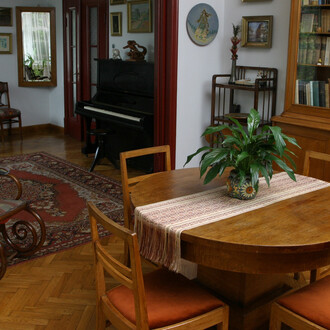
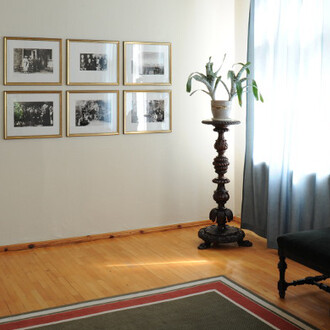
The exhibition offers at least a glimpse of the many Daumantas collections that, in various ways, found their way to the M. K. Čiurlionis National Museum of Art in the mid-20th century or were preserved in the home of Antanina Vaitkevičaitė-Daumantienė. Research, tracing, and reconstruction of Daumantas’s collections have only just begun.
Near the end of his life, in his only interview for the Lithuanian émigré community, Daumantas mentioned that he wished others could enjoy his collections as much as he himself had. More than half a century later, in respect and gratitude to Daumantas, the exhibition seeks to fulfill that wish.