English
 Español
 Français
 Deutsch
 Italiano
 Português
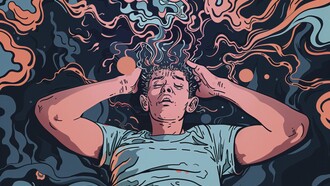
When it all becomes too much, sometimes the only instinct is to run. You may feel stuck—trapped inside a repetitive routine devoid of meaning and consumed by the desire to seek something more fulfilling.
Perhaps the town you live in feels like a box, and your intuition screams at you to break free and escape the four walls that have been blocking out the light. Maybe troubles in relationships, coupled with stress from work or school, manifest as an invisible force working against you. Your focus then diverts and ignores prioritising the parts of your day that fulfil you, exhausting you on things that won’t give you anything in return.
When these periods stretch on long enough, the mental claustrophobia becomes unbearable, placing immense strain on both mind and body. As you approach burnout, sometimes the tightness in your chest causes you to break, and in a moment of desperation, you begin searching for a way to escape what no longer serves you. At our core, humans possess a primal instinct to escape: to flee danger and seek safety. Feeling trapped triggers a fight-or-flight response, often pushing us toward abrupt decisions in an effort to relieve the weight on our shoulders and break free from the pressure preventing us from moving forward.
The phrase “running away from your problems” is often used mockingly, implying cowardice, avoidance, or impulsivity. While there are certainly extremes to this idea, in many cases, I have found it suggests quite the opposite.
It never hurts to take a day off
Contrary to the beliefs of many hard workers and perfectionists (like myself), taking a break from stressors for a few hours (or even just one day) does not have the power to bring you back to the starting line. Your mind is like a muscle: it requires rest to grow stronger and rebuild. Downtime actively prevents burnout and is critical for rejuvenating the areas responsible for creativity, problem-solving, and critical thinking.
After a few hours of mental rest, or even a full day of relaxation, you often return sharper and more capable than before. Looking at things with fresh eyes, shifting your focus away from what has been weighing on you, and allowing yourself quiet moments alone with your thoughts can transform your perspective.
When you give yourself that care, problems that once felt overwhelming may no longer seem quite so daunting. Sometimes, the urge to run does not mean you need to uproot your life. You may need to simply pause.
When the escape helps and when it doesn't
Creating distance from your stressors is often most effective when the source is something external. Something that you can remove from the equation or step away from entirely.
If a toxic work environment, unhealthy living situation, or draining relationship is weighing on your mind and you can leave, doing so in the right way can have a very positive impact on your life.
But there is a caveat: taking a step back and changing your scenery won’t transform something within you. Many people seek a spontaneous adventure or vacation in pursuit of an adrenaline rush, peace, or escape, using travel as a temporary fix to distract themselves from everyday life.
Yet when the trip ends, the stressors often hit harder than they did before, leaving you longing for that inner calm that you only seemed to feel while far from home.
That is because lasting fulfilment comes not from running indefinitely. It comes from confronting the discomfort we so desperately wish to escape. Growth often demands that we sit with hardship, identify its source, and make intentional changes rather than simply hoping distance alone will solve what troubles us.
Yes, you can switch jobs, pack up your life in boxes, or get on a plane, but if what is holding you back stems from within, no physical distance can create permanent relief.
Is it time for a bigger change?
Still, there are times when your desire to leave is not avoidance, but realisation. Places carry meaning. Street names, houses, restaurants, and cafes are tied to memories—both good and bad—and to past versions of yourself or distant friendships that you have outgrown. Sometimes your body reacts before your brain can. These external factors help signal when you have outgrown a familiar environment that isn’t serving you well anymore.
If you find your body subconsciously tenses in familiar places, or your once-comforting routines start to feel foreign, those discomforts may not be signals to repress but signs that your current environment is no longer aligning with who you are becoming.
The challenge now lies in distinguishing between internal necessity and emotional impulse. The urge to run can leave your mind torn between what feels urgent in the moment and what will truly serve you in the long run.
While sometimes the answer is as simple as taking a day off, spending time in nature, treating yourself to a nice meal, or just slowing down enough to reset mentally, other times the answer may be bigger, and it could be time to leave behind what isn’t serving you entirely.
But acting too quickly on the urge for change can sometimes create more disruption than relief. A major decision made in a moment of desperation may introduce new pressures, adding strain to your life while leaving the original issues unresolved.
Learning to identify what you need in a moment of panic requires immense courage and self-awareness. It is a skill that only comes with experience and, often, many cycles of trial and error. As humans, we rarely make the right call on the first try.
The challenge now is not suppressing the urge to run, but learning how to understand what it is trying to tell you.