English
 Español
 Français
 Deutsch
 Italiano
 Português
Sex drive can change as people age, and these changes vary widely from person to person. Several factors influence sexual desire and activity in older adults, including physical health, hormonal changes, emotional well-being, and relationship quality.
Physical health plays a major role in sexual drive. Chronic health conditions, medications, and general aging can affect libido and sexual function. For example, conditions such as diabetes, heart disease, or arthritis may reduce energy levels, cause discomfort, or impact physical performance, all of which can influence sexual desire.
Hormonal changes are another important factor. In women, menopause leads to a decrease in estrogen levels, which can affect sexual desire and vaginal lubrication. In men, testosterone levels naturally decline with age, which may influence libido and erectile function.
Emotional and psychological factors also strongly affect sexual drive. Mental health conditions such as stress, depression, anxiety, and low self-esteem can reduce sexual desire and satisfaction. Feeling emotionally secure and mentally healthy often supports a stronger interest in intimacy.
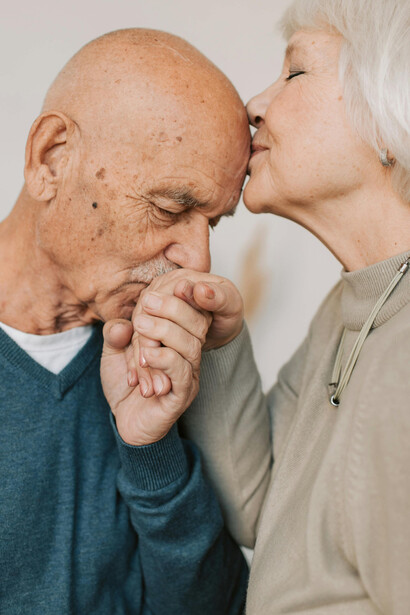
Relationship factors matter as well. Emotional closeness, communication, and overall relationship satisfaction often influence sexual activity regardless of age. Couples who maintain strong emotional bonds may continue to experience meaningful intimacy even in later years.
Cultural and societal attitudes toward aging and sexuality can shape how comfortable individuals feel about expressing their desires. Some people may feel discouraged by social stereotypes, while others maintain a positive outlook toward intimacy throughout life.
Personal attitudes and preferences can also change with age. Some individuals may experience reduced interest, while others may feel more relaxed, confident, and open about their sexuality as they grow older.
Open communication with partners and healthcare providers is important when changes occur. Medical professionals can offer guidance on managing health conditions, medications, or hormonal shifts that affect sexual health. Maintaining a healthy lifestyle, including regular exercise, balanced nutrition, and stress management, can also support overall sexual well-being.
Why sex drive increases in old age
Although many people experience a decrease in sex drive as they age, some individuals find that their sexual desire remains strong or even increases. Several factors can contribute to this pattern in older adults.
Emotional and psychological factors are often key. With age, some people become more confident, self-accepting, and comfortable with their bodies and sexuality. This increased self-assurance can enhance sexual desire and enjoyment.
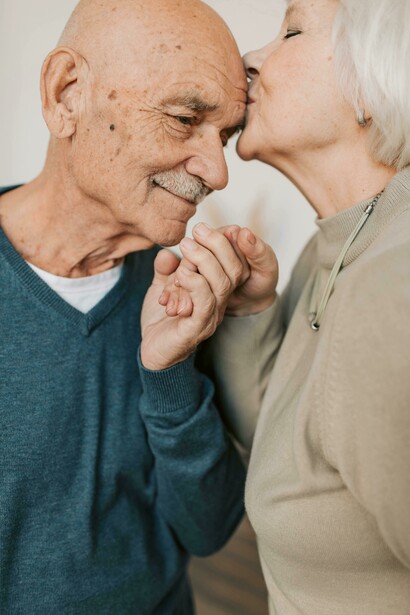
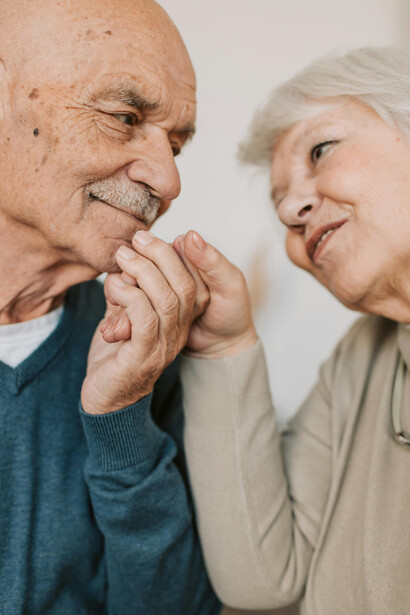
Stable, long-term relationships can also play a role. Over time, partners may develop deeper emotional connections, trust, and understanding. This sense of intimacy can positively influence sexual desire and satisfaction.
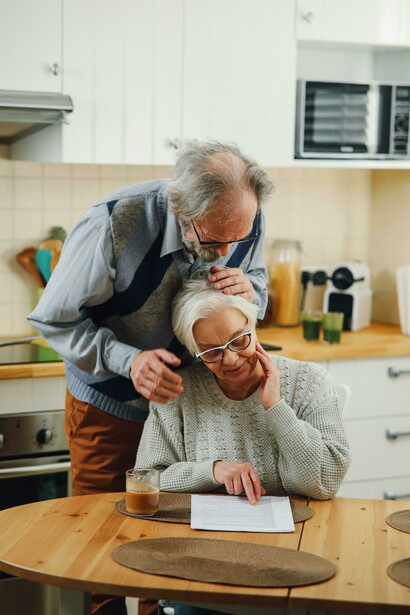
Increased free time may also contribute. Retirement or reduced work responsibilities can provide more opportunities for relaxation, connection, and intimacy. With fewer daily pressures, couples may have more time to focus on their relationship.
Good physical health supports an active sex drive as well. Regular exercise, proper nutrition, and effective management of health conditions help maintain energy levels and overall well-being, which can positively influence sexual desire.
Hormonal therapies may also help some individuals. Treatments such as testosterone therapy for men or estrogen therapy for women can sometimes support libido when medically appropriate and supervised.
Attitude and perspective toward aging are equally important. Individuals who maintain positive beliefs about aging and sexuality often continue to enjoy fulfilling intimate lives. A healthy mindset can greatly influence both desire and satisfaction.
As with all aspects of sexuality, experiences vary greatly among individuals. Open communication with partners and healthcare providers remains essential for addressing concerns and maintaining a healthy, satisfying intimate life in older age.
A healthy sexual life in old age is not only possible but can also be deeply fulfilling and meaningful. As people grow older, their bodies and priorities change, but intimacy and connection remain essential parts of overall well-being. Rather than focusing solely on physical performance, many older adults find that emotional closeness, trust, and communication become even more important in maintaining a satisfying sexual relationship.
One of the key factors in enjoying a healthy sexual life later in life is maintaining good physical health. Regular exercise, a balanced diet, and proper sleep can improve energy levels, circulation, and overall vitality. Conditions such as diabetes, heart disease, or high blood pressure can affect sexual function, so managing these with proper medical care is essential. Consulting a healthcare provider when facing difficulties like reduced libido or discomfort can help identify safe and effective solutions.
Communication with your partner is equally important. As bodies change with age, preferences and needs may also shift. Being open about desires, limitations, and concerns can reduce anxiety and build stronger emotional intimacy. Couples who communicate honestly often discover new ways to express affection and pleasure that go beyond traditional expectations of sexual activity.
It is also important to understand that changes in sexual response are natural with aging. For example, men may experience slower arousal or require more stimulation, while women may face vaginal dryness or hormonal changes after menopause. These changes are normal and manageable. Using lubricants, taking more time for foreplay, and focusing on comfort can make a significant difference in maintaining enjoyment.