English
 Español
 Français
 Deutsch
 Italiano
 Português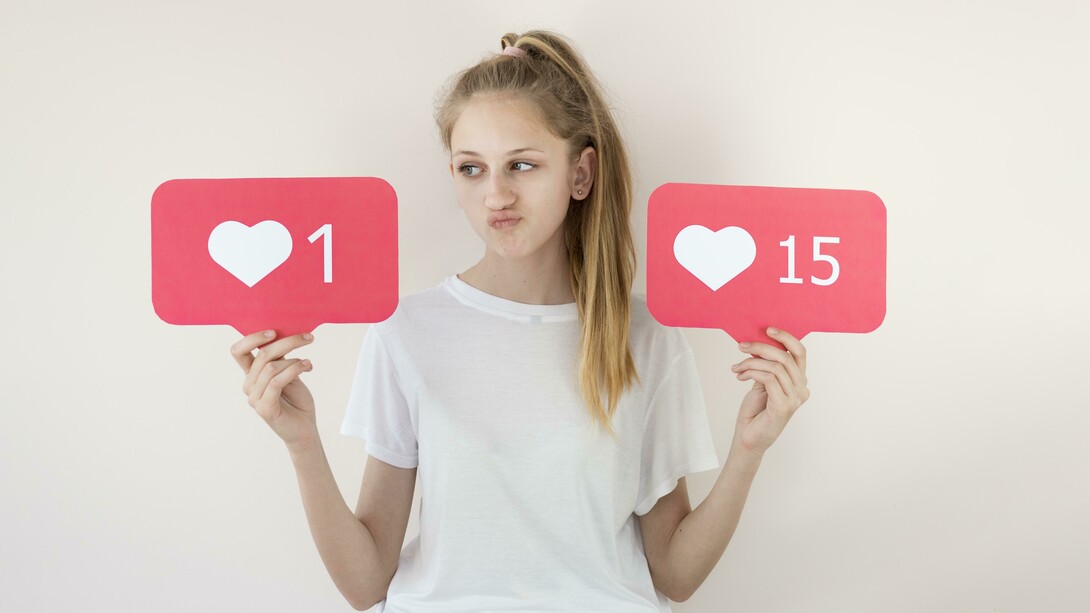
In today’s digital world, social media platforms like Instagram, TikTok, Facebook, and YouTube have become an essential part of everyday life. They connect us with friends, provide entertainment, and even create career opportunities. However, beneath the surface of perfectly filtered photos and viral videos lies a growing concern: people are increasingly engaging in unnecessary, risky, or inauthentic activities simply to gain likes, views, and followers. The desire for online validation has slowly shifted from harmless fun to a powerful force that shapes behavior, decisions, and even self-worth.
The psychology behind likes and views
Social media platforms are designed to capture attention and keep users engaged. Every notification, like, or comment triggers a small release of dopamine in the brain, the chemical associated with pleasure and reward. This creates a powerful cycle where users constantly seek more engagement to feel appreciated and recognized.
Gradually, many individuals begin measuring their value based on numbers. A post that performs poorly can feel like rejection, while a viral video brings temporary excitement and confidence. This emotional dependency encourages people to create more dramatic, exaggerated, or attention-grabbing content to maintain relevance. What once began as sharing moments has now turned into competing for digital applause.
Risky challenges and dangerous trends
One of the most concerning outcomes of social media culture is participation in risky challenges. In the race to stand out, some users attempt extreme stunts, harmful pranks, or controversial acts just to gain attention. Teenagers and young adults are particularly vulnerable. The pressure to go viral often overshadows the understanding of consequences. Many trends that start as entertainment can quickly become dangerous when people push boundaries for shock value. This competitive environment encourages users to constantly outdo one another, sometimes risking physical safety, legal trouble, or public humiliation in the process.
The illusion of a perfect life
Social media feeds are filled with luxury vacations, flawless selfies, expensive outfits, and glamorous lifestyles. Much of this content is carefully curated, filtered, and staged. Yet, viewers often compare their everyday lives to these highlight reels. To keep up with trends, people sometimes travel unnecessarily, purchase expensive items, or participate in activities they cannot afford all for the sake of content. Instead of choosing experiences based on genuine interest, decisions are influenced by how attractive they will appear online. This comparison culture creates constant dissatisfaction and fuels unnecessary spending and artificial lifestyles.
Inauthentic living: performing instead of experiencing
Another subtle but powerful effect is the shift from experiencing life to performing it. Moments that should be personal, like birthdays, engagements, meals, and achievements, are often staged for the camera. Rather than asking, “Do I enjoy this?” many people now ask, “Will this get views?”
As a result, exaggerated reactions, fake pranks, staged emotional moments, and controversial opinions become common strategies for gaining attention. Authenticity takes a backseat to entertainment value. Over time, constantly maintaining an online persona can blur the line between real identity and digital identity. This performance-driven culture leads individuals to prioritize visibility over sincerity.
Financial pressure and materialism
The desire to appear successful online has also intensified materialistic behavior. Many individuals feel pressured to invest in trendy clothing, luxury brands, expensive gadgets, or aesthetic home setups to keep their content appealing.
Some even go into debt to maintain a certain image. Social media promotes the idea that success must be visible and glamorous. This encourages unnecessary spending and financial stress, especially among young users who are still building their careers. When image becomes more important than reality, financial stability often suffers.
Mental health consequences
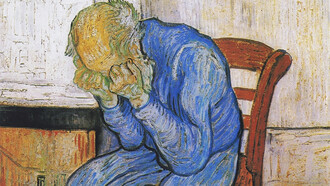
The emotional impact of chasing likes and views can be severe. Constant comparison, negative comments, and the fear of missing out (FOMO) can trigger anxiety and low self-esteem. The pressure to remain relevant adds another layer of stress.
If a post does not perform well, users may feel embarrassed or inadequate. If it goes viral, they may feel pressure to constantly produce similar or bigger content. This cycle can lead to burnout and emotional exhaustion. Social media, while entertaining, can quietly become a source of mental strain when validation becomes addictive.
Long-term social impact
Beyond individual consequences, this culture is slowly reshaping societal values. Fame is becoming more accessible but also more superficial. Talent and hard work sometimes take a back seat to controversy and spectacle. Younger generations grow up seeing viral fame as a primary goal. Traditional measures of success, education, skill development, and meaningful contribution can seem less appealing compared to instant online popularity. This shift influences career aspirations, lifestyle choices, and even moral boundaries. When visibility becomes the ultimate currency, depth and authenticity may decline.
Reclaiming meaning in a digital world
Social media has transformed communication and opened doors to creativity and opportunity. However, the obsession with likes and views has pushed many individuals toward unnecessary, risky, and artificial activities. The real challenge lies not in using social media, but in allowing it to define self-worth. When online approval becomes more important than personal fulfillment, people begin living for an audience instead of themselves. True value cannot be measured by numbers on a screen. Meaningful experiences, genuine relationships, and self-respect remain far more important than temporary digital fame.