English
 Español
 Français
 Deutsch
 Italiano
 Português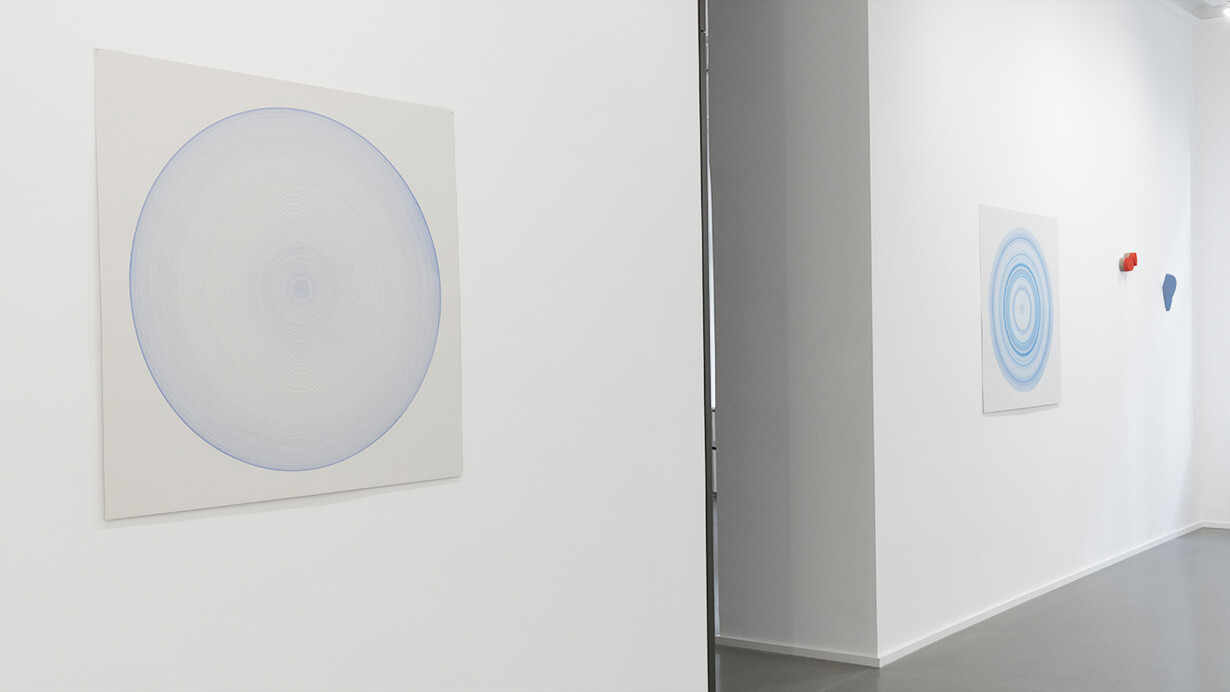
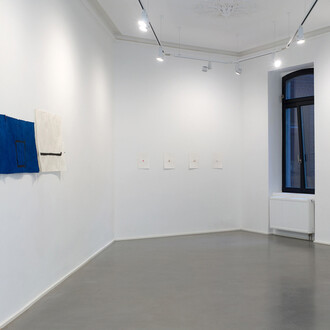
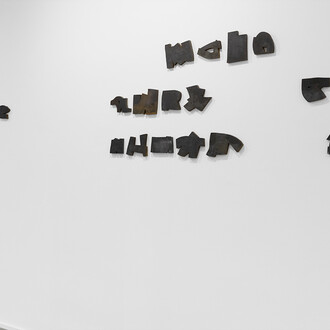
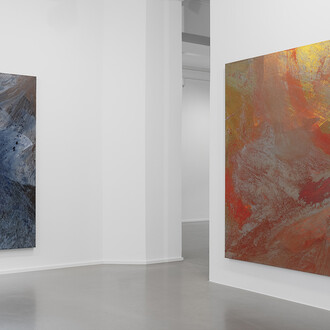
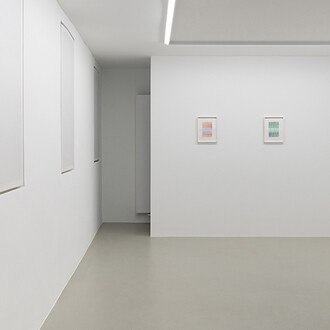
The gallery is pleased to present the exhibition Always, sometimes by American artist Jill Baroff. On view are large-scale, diverse works from the Tide drawing series, alongside intimate, intensely colored wall pieces. In these works, the artist engages with questions of time and space, rendering them sensorially tangible.
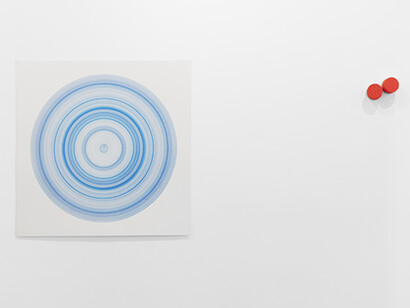
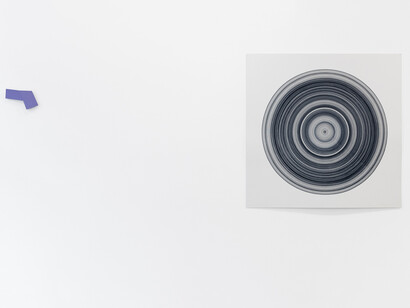
Installed near the windows in the rear gallery space are wall works titled Clocks and Dials. The wooden surfaces are corrugated with precise grooves (and, in some, subtly angled planes) that encourage the shifting play of light, causing their intense color and the shadows they cast to change over the course of the day. The pairs of Dials are mounted in a way that allows their individual cylindrical elements to rotate. As if adjusting the time on a clock face—or turning a radio knob to modulate frequency—the color here can be “tuned.”
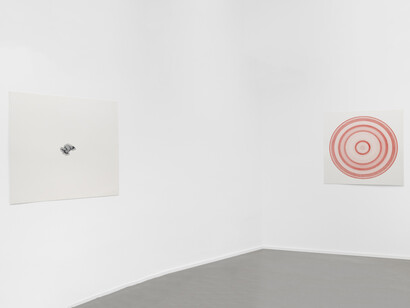
The changing tides serve as the point of departure for the Tide drawing series. In these drawings on Japanese gampi, Baroff visually records water levels at various coastal locations over a defined period, allowing distinct temporal patterns of density to emerge. While the earliest works focused on the waters around New York, where the artist grew up, the project has since expanded to other regions as well as to extreme weather phenomena.
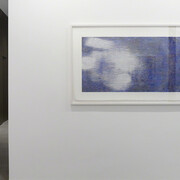
Baroff’s interest in the Hamburg region dates back at least to her five-part cycle created for the Hamburger Kunsthalle in 2013/14. On view at the gallery is Cuxhaven, a drawing rendered in deep blue tones and the first depiction of a negative tidal surge within the series. Near Cuxhaven, the Elbe Estuary may experience strong southeasterly winds that cause either a storm surge or an extreme low-water event in the river. By contrast, the light blue circles in Ophelia’s surge represent a typical tidal surge, documenting the sudden inland push of the sea during the tropical storm. In Pivot, the drawing does not unfold across a flat surface but coils in multiple layers around a central axis. A dynamic pictorial space emerges—one that demands close and attentive viewing. The five works in the exhibition differ markedly in conceptual approach, vividly articulating the tension between repetition and difference.