English
 Español
 Français
 Deutsch
 Italiano
 Português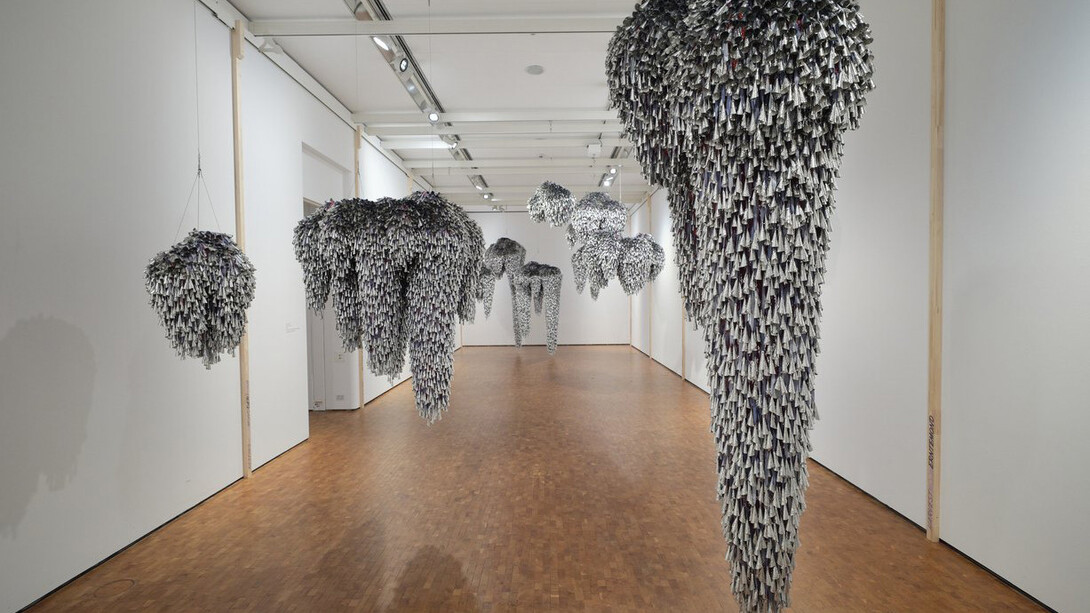
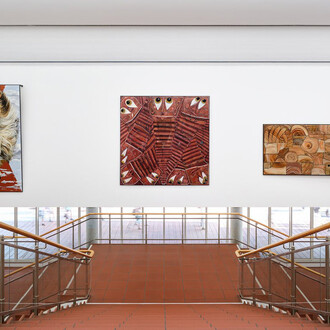
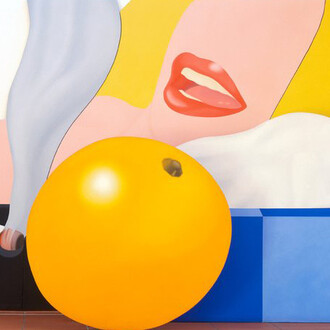
With the most extensive collection of Pop Art outside North America, the Museum Ludwig is known for its links to the United States—a country that will celebrate 250 years of independence in 2026. This exhibition centers on two contemporary American artists: Marie Watt, and Wendy Red Star.
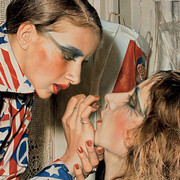
Wendy Red Star's (b. 1981) photographic self-portraits humorously and satirically address Western notions of indigeneity and invite us to take a more nuanced view.
I am Apsáalooke, I come from a specific district, and my work is grounded in Apsáalooke history. But within institutions, this label does not function as a description. It functions as a container. The category ‘Native artist’ reshapes the work before anyone even sees it. (…)
(Wendy Red Star: The foe manuscript [excerpt])
Born in Seattle in 1967, Marie Watt is a member of the Seneca Nation, now living in Portland, Oregon. In some Indigenous traditions, the Americas (or even the entire world) are known as Turtle Island. The corresponding creation stories are passed on orally from generation to generation.
De/collecting memories from Turtle Island invites us to rethink and overwrite our memories and collected pictures, both the works themselves and their mental representations.
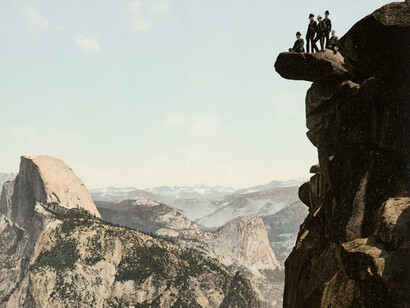
The exhibition takes as its point of departure a collection of kitschy Photochrome prints from the Detroit Publishing Company acquired by the Museum Ludwig in 2024. Many of these color images produced around 1900 are based on earlier black-and-white photographs by William Henry Jackson, often the first photographs of places that are now world-famous tourist attractions, including Yellowstone National Park and the Grand Canyon. Photochrome prints were hung on walls or sent as postcards, with yearly sales of as many as seven million copies. They show modern cities and wide open landscapes—the landscapes strikingly deserted. Even today, these photographs, created on the margins of art, shape many people’s image of the United States. The exhibition begins where the postcard motifs end—with the things they leave unsaid. This supposedly untouched nature was home to many people and nations—long before the first Europeans arrived, oppressed Indigenous peoples, and founded the United States 250 years ago.
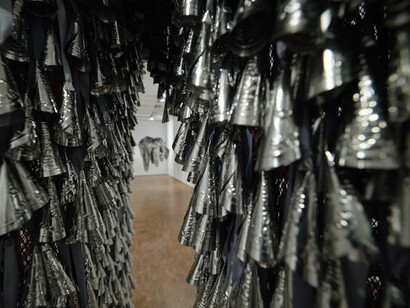
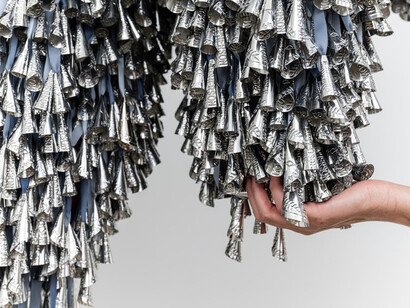
Combining the pictures from the Detroit Publishing Company with art works by two contemporary indigenuous artists the exhibition aims to heighten our awareness of the construction of narratives and what they omit. As well as being an invitation to engage with the multiple memories and imaginings of Turtle Island, it is an opportunity to add voices and viewpoints of America’s Indigenous peoples to the Museum’s collection. Marie Watt’s large-scale work Thirteen moons, developed specially for the exhibition, consists of thirteen hanging sculptures made of tin jingles. Clouds of jingles float in midair, only making a sound when coming into contact with each other or with other objects. Visitors are allowed to touch the sculptures, setting the jingles in motion to produce an audible jangling and rustling. Thirteen moons develops a physical, visual, and auditive presence in the space.
This work refers to Indigenous traditions. As the artist writes, the jingle sculptures “acknowledge the Jingle Dress Dance which began as a healing ritual in the Ojibwe tribe in the 1900s, during the influenza pandemic. The idea for the dance came to a tribal elder in a dream. When it was performed, according to the vision, the young girl who was sick in time became well. The Jingle Dress Dance was also a radical act. In 1883, the United States banned Indigenous ceremonial gatherings. Though the ban was repealed in 1978 with the American Indian Religious Freedom Act, during its century long prohibition the Jingle Dress Dance was shared with other tribal communities. Today it is a pow-wow dance and continues to be associated with healing.” For the exhibition, Watt will work with the Jingle Dress dancer Acosia Red Elk. She is a member of the Umatilla people of Oregon.
De/collecting memories from Turtle Island is the eleventh exhibition in the series Here and now at Museum Ludwig. With this series, the Museum regularly takes a critical look at its own work and questions conventional approaches to exhibition-making.