English
 Español
 Français
 Deutsch
 Italiano
 Português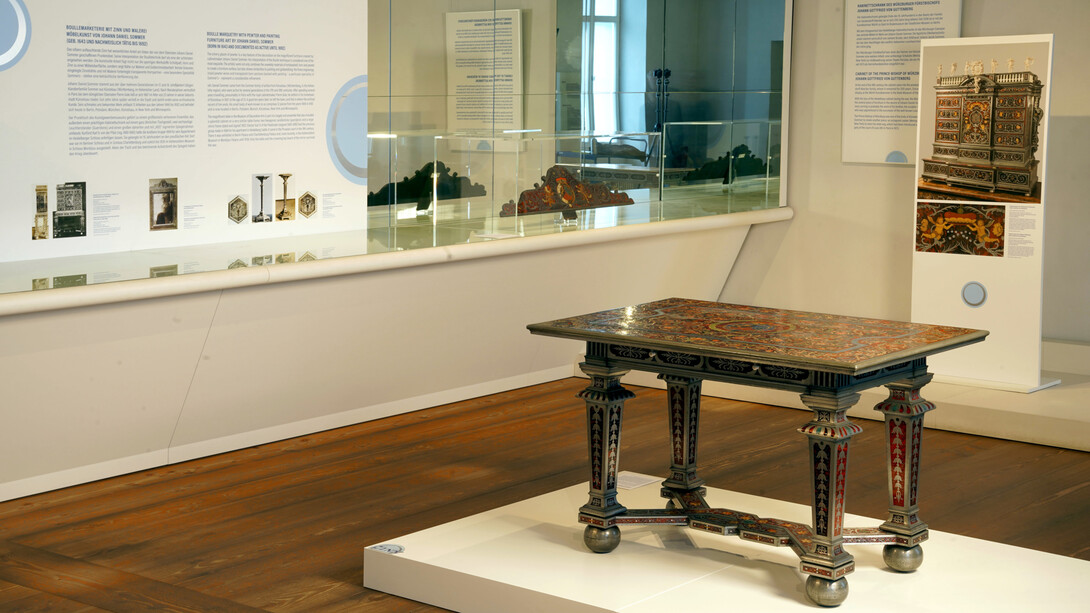
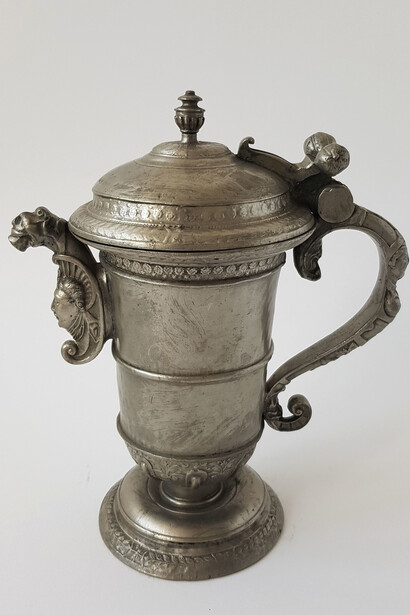
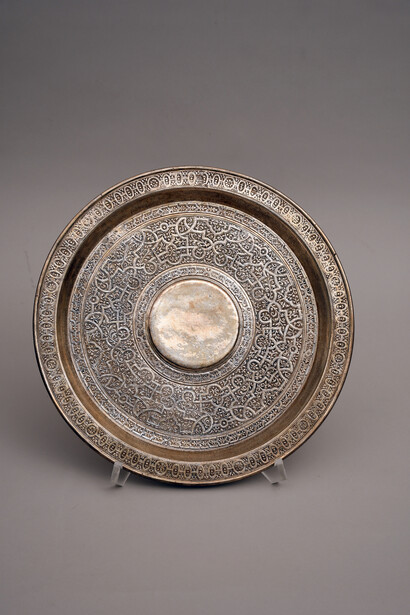
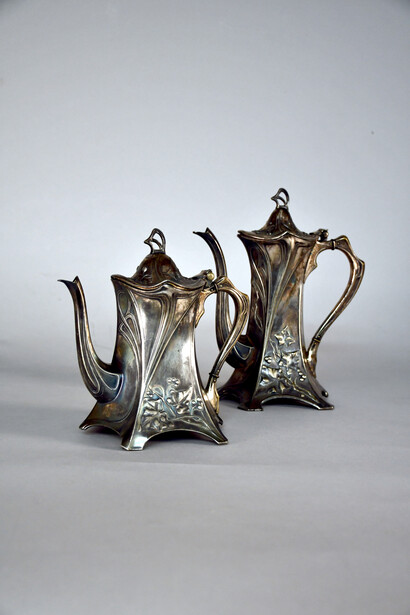
Although pewter objects have long been widespread within the decorative arts and form an integral part of European cultural history, they have gradually slipped from public awareness. Once valued for both their functionality and aesthetic appeal, these objects occupied a central place in domestic, civic, and religious contexts. Today, however, their significance is often overlooked, making renewed attention to their history both timely and necessary.
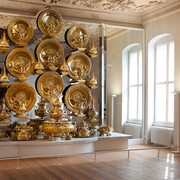
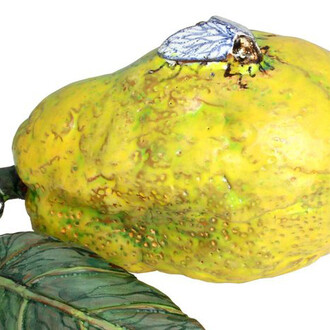
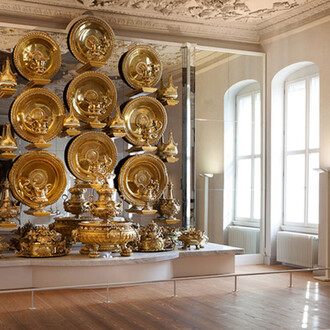
At its branch venue in Schloss Köpenick, Berlin’s Kunstgewerbemuseum presents a special exhibition that retraces the use of pewter from the Middle Ages through to the Art Nouveau period. Bringing together around 100 works, the exhibition offers a comprehensive overview of the material’s evolution, highlighting its transformation from sacred and ceremonial objects to items embedded in everyday life.
Beyond its functional applications, the exhibition also sheds light on the sophisticated and often unexpected use of pewter in furniture-making. Through carefully selected examples, it reveals how artisans integrated the material into intricate decorative schemes, demonstrating a high level of technical skill and artistic ambition. These works challenge conventional hierarchies between fine and applied arts, positioning pewter as a medium of both utility and creative expression.
One of the most prominent figures associated with this refined use of materials is the cabinetmaker Johann Daniel Sommer, active in Künzelsau, Württemberg, in the late 17th century. His furniture, known for its boulle technique, combines tortoiseshell, horn, and pewter in richly layered surfaces that evoke connections to painting and goldsmithing. Through such examples, the exhibition underscores the material’s versatility and its role in shaping a distinctive visual language within European decorative traditions.
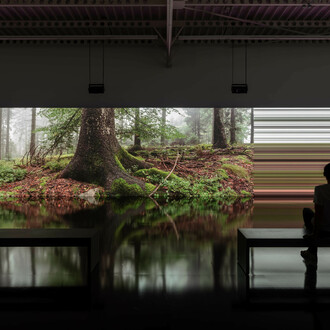
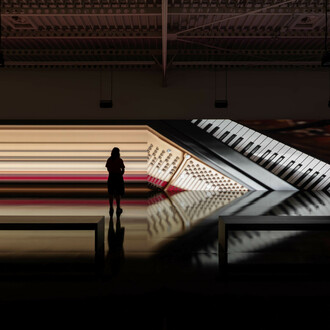
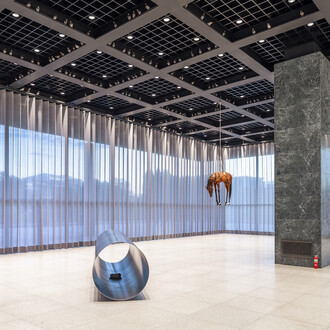
![Various artists, [ materialistin ], exhibition view. Courtesy of Hamburger Bahnhof](/attachments/fd8f4fd76b73be0a02d398535c29d017e1309b65/store/fill/330/330/3f54331fd7869a13166dfe67a9e91306c6e180b2e29b9fd308d958b87ad2/Various-artists-materialistin-exhibition-view-Courtesy-of-Hamburger-Bahnhof.jpg)