English
 Español
 Français
 Deutsch
 Italiano
 Português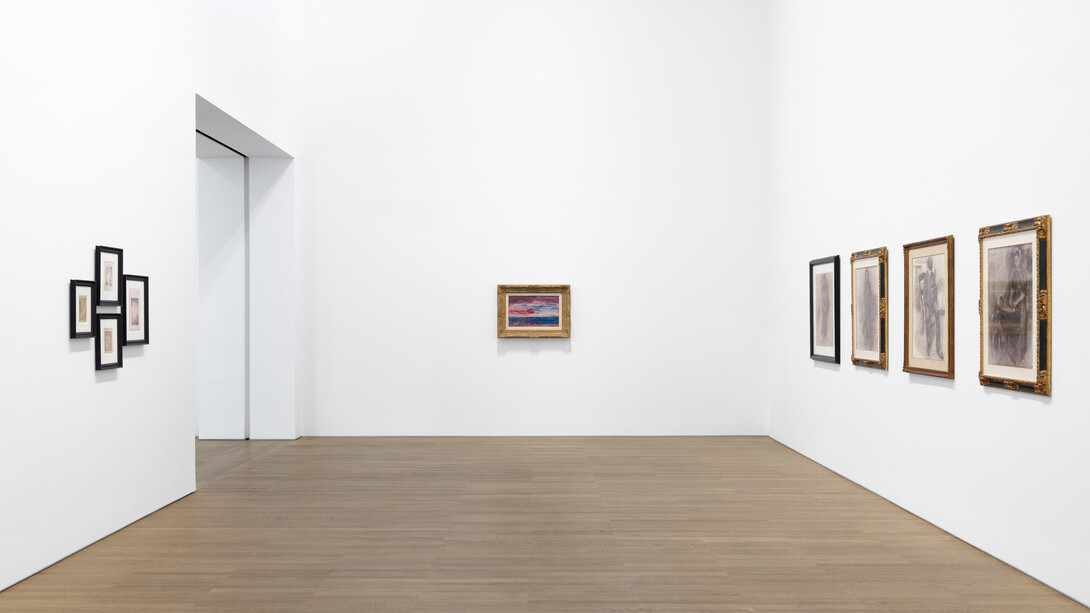
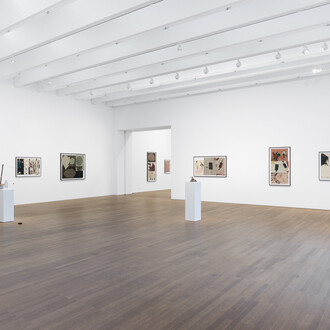
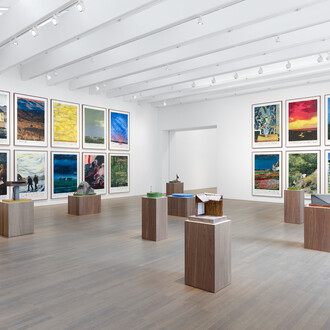
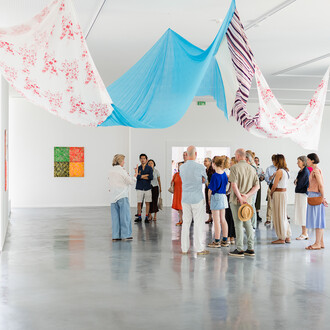
From March 12 to May 16, 2026, Tim Van Laere Gallery Antwerp presents a solo exhibition of the renowned Belgian artist James Ensor (1860–1949), curated by Ensor specialist Herwig Todts and Tim Van Laere.
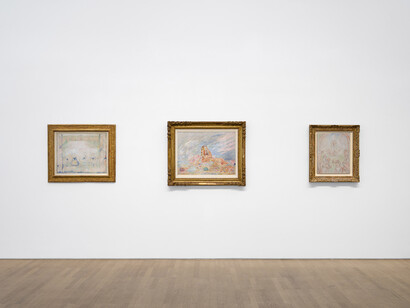
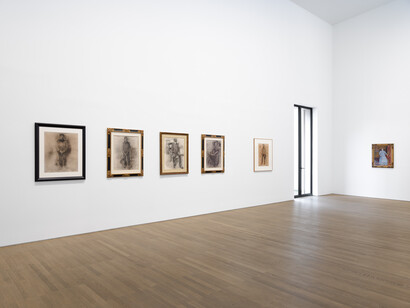
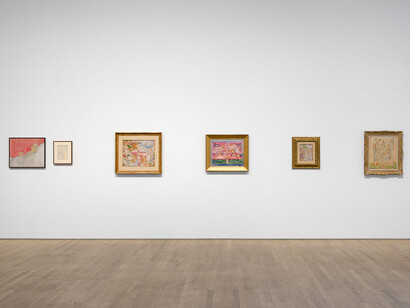
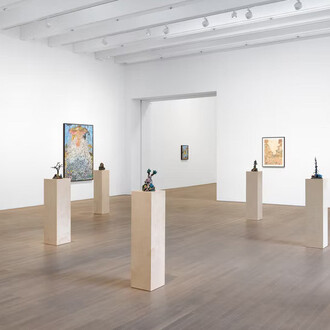
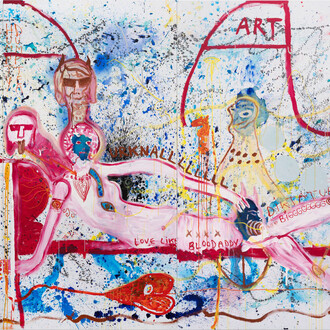
The exhibition James Ensor, A portrait of the old master as a young man focuses specifically on Ensor’s late, surprisingly vital oeuvre. Rather than depicting an artist repeating earlier successes, it presents an old master who remains playful, curious, and experimental; a creator who, well into old age, resisted what he called “Saint Routine.” Close study of his later work reveals an artist who stayed youthful in spirit and continued to experiment tirelessly with “les manières les plus opposées.” In his studio, he revisited colorful seascapes, and failed etching prints inspired sinisterly whimsical compositions. Shells and porcelain figurines become small, seemingly innocent theatrical scenes. Tiny masked creatures appear here and there, both performing for an audience and participating in dramatic tableaux. Ensor painted these scenes, as he described it himself, with his left eye on the mise-en-scène and his right eye on the colors of his palette. Even his portraits became, above all, experiments in color, where painterly freedom takes precedence over likeness. This exhibition thus reveals an Ensor who continued to innovate until the very end; a master who never ceased to remain young. Alongside this vibrant late work, the show presents a compact but powerful ensemble of large, relatively unknown charcoal drawings from 1880–1882, stemming from Ensor’s early avant-garde period.
Ensor emerged around 1880 as an artist firmly claiming his place within the avant-garde. From the outset, he believed that artistic renewal required the constant exploration of diverse “manières”: different subjects, techniques, and even contradictory styles. He remained faithful to this experimental credo throughout his life. He treated light, color, and form freely and independently, detached from visible reality. His work often anticipated modernism, yet his love for a broad range of expressive media - painting, drawing, etching, literary performances, satirical art criticism, and keyboard music - aligns even more closely with the pluralism of postmodernism.