English
 Español
 Français
 Deutsch
 Italiano
 Português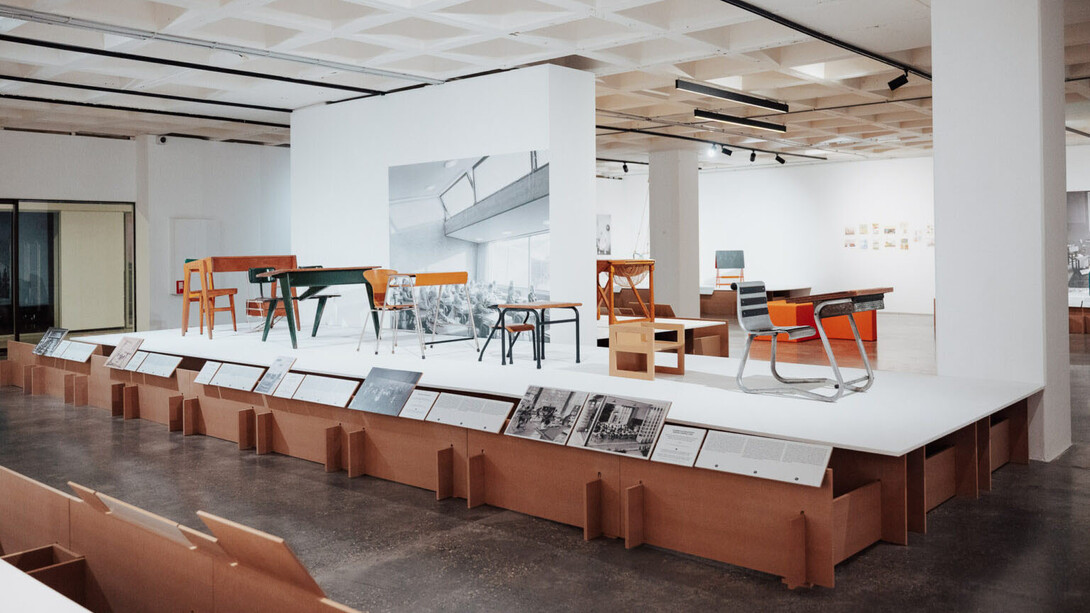
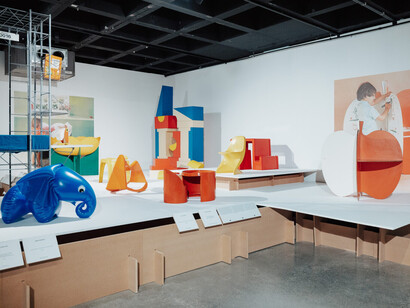
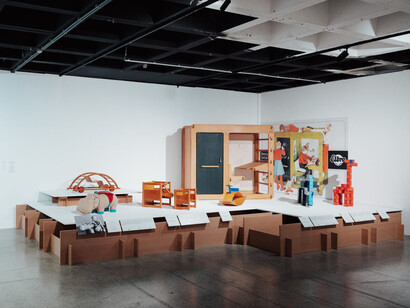
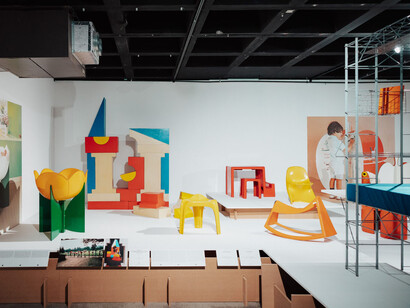
From April 1st to September 20th, the Design Museum Brussels presents Designing childhood. A history of design for children, an exhibition co-organised with the Centre Pompidou that explores the evolution of design for children throughout the 20th century.
As a testing ground for new materials and production processes, children’s furniture has left its mark on the history of 20th-century design. It embodies the ambitions, social changes and technological advances of its era. Children’s furniture is characterised by its playful nature and versatility, while at the same time reflecting the evolution of the child’s place in the family and social structure. Gradually recognised as individuals in their own right, children are no longer seen as ‘little adults’ and have carved out a specific place for themselves in the home, society and the market.
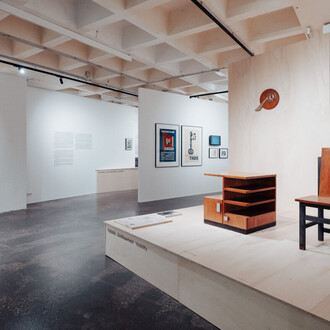
In this new collaboration, the Design Museum Brussels enriches the narrative initiated by the Centre Pompidou by highlighting the Belgian contribution. This exhibition is the result of the encounter between the collections of the Design Museum Brussels and the Centre Pompidou, unfolding a dialogue that spans the entire 20th century, from the children’s bedrooms by Pierre Chareau in the 1920s or by Sylvie Feron in Belgium in the 1930s, from school equipment in the 1930s (Jean Prouvé, Arne Jacobsen) to the Reconstruction classroom by Marcel Gascoin in France or by Jules Wabbes in Belgium. In the 1960s, pop aesthetics and the spread of plastic materials marked the peak of children’s design through light and flexible furniture.
Through pieces from its collections, the Design Museum Brussels highlights the vitality of design in Belgium, in line with major international trends. It reveals an approach that is attentive to children’s needs, integrating ecological and educational issues from an early stage, as well as current initiatives such as the ecoBirdy duo’s Charlie chair made from recycled plastic. Today, designers are once again turning their attention to children’s furniture with a focus on learning and inclusivity, which is reflected in the two collections, where formal innovation is combined with a reflection on society and the environment.
This exhibition will also provide an opportunity for the Design Museum Brussels, in collaboration with BNA-BBOT (Bruxelles Nous Appartient-Brussel Behoort Ons Toe), to launch its podcast series dedicated to leading figures in Brussels design. This first episode focuses on the career and work of Marie Paquay Wabbes.
The book Designing childhood. Le mobilier pour enfant – Kindermeubilair – Children’s furniture, edited by Marie-Ange Brayer and Arnaud Bozzini will be published by Maison CFC Éditions to accompany the exhibition. This trilingual volume presents a selection of iconic pieces from the history of children’s furniture and offers an accessible introduction to the evolution of children’s design.
Linked to the exhibition, a selection of two objects can be seen through the windows of the museum’s storage. The selection focuses on design for babies and offers a glimpse into parts of the collection that usually remain behind the scenes, revealing the wider holdings that support exhibitions and research.