English
 Español
 Français
 Deutsch
 Italiano
 Português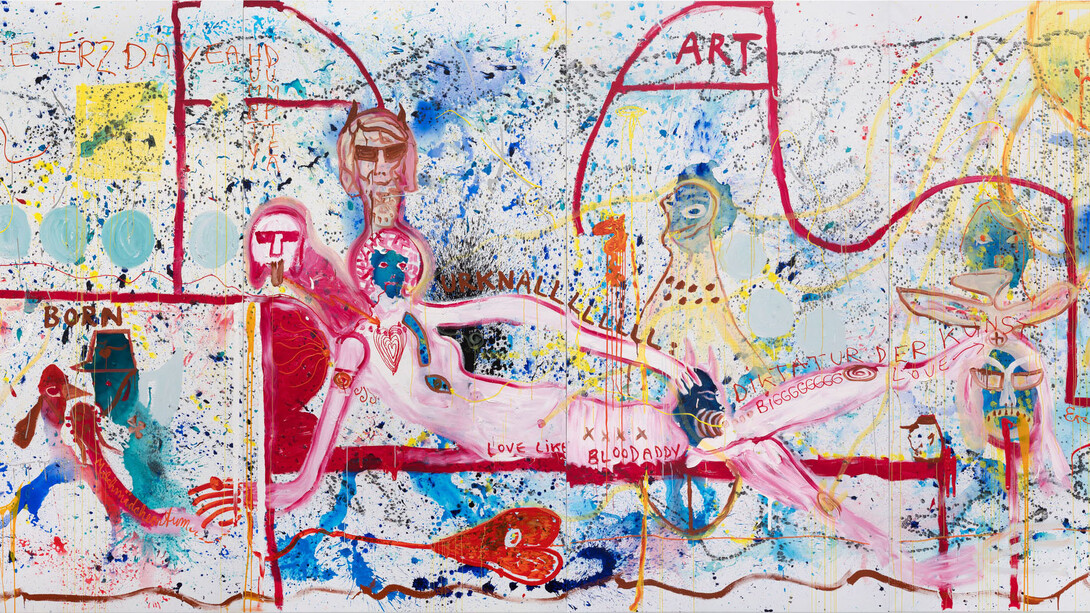
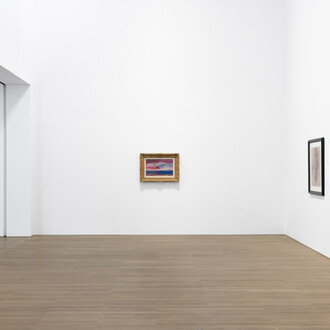
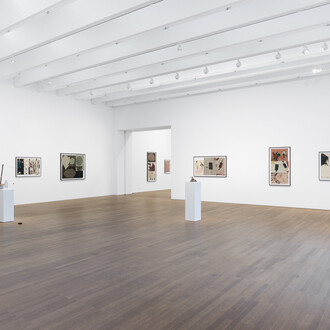
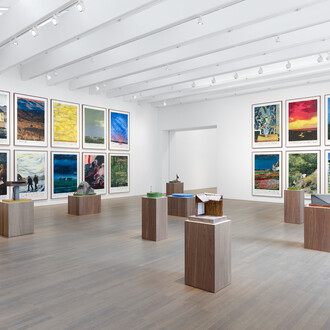
Tim Van Laere Gallery presents P.O.P.² (Powerplay - Overkill - Ping|Pong) (DR. No's Mother(Z)) (They live). This is Jonathan Meese’s seventh solo exhibition since the beginning of his collaboration with Tim Van Laere Gallery in 2011.
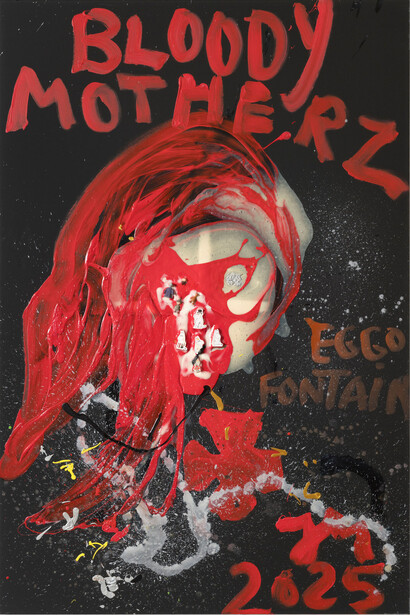
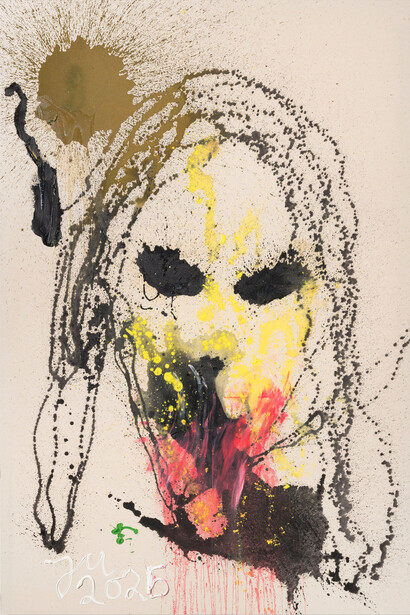
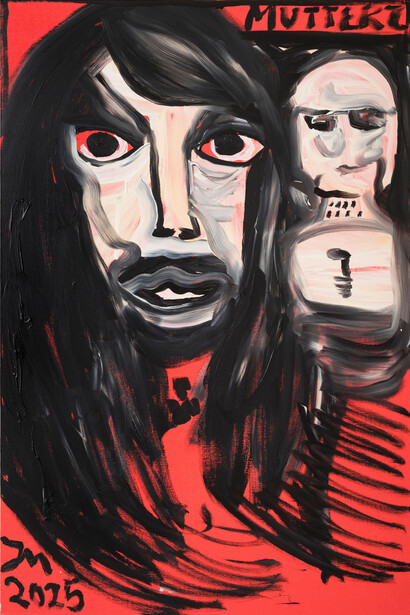
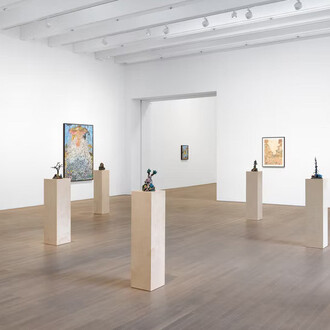
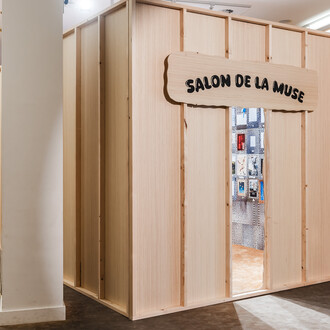
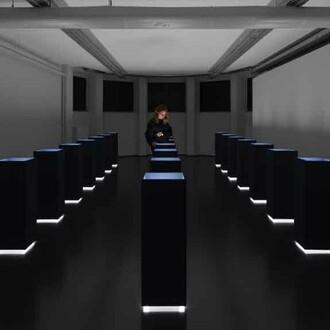
In this solo exhibition, Meese presents a series of new paintings, alongside several sculptures and an installation. Together, these works reveal a more sensitive, more introspective side of the Meese-universe. Themes such as the mother, life and death, hope and dance take centre stage and bring an emotional layering that balances between vulnerability and play, seriousness and ecstasy. The energy remains unmistakably Meese, but here it is infused with a more existential and human resonance.
Jonathan Meese (Tokyo, 1970, lives and works in Berlin and Ahrensburg) is known for his multifaceted oeuvre, consisting of exuberant paintings, extravagant installations and ecstatic performances, manifestos, as well as a powerful body of sculptural work across various media. With his rich and personal mythology, full of symbols, neologisms and metaphors, the artist’s versatile oeuvre arouses fascination. Seemingly effortlessly, Meese manages to distinguish himself in every genre with an independent and unique vocabulary that gives his works a visual energy and quality which, according to curator Robert Fleck, has been unparalleled since Picasso.
A crucial figure within this mythology is Meese’s mother, Brigitte Meese, who is both a personal, but also an artistic focal point in his life and work. Their exceptionally close bond has often been publicly discussed and constitutes a fundamental emotional catalyst behind his practice. His mother appears in his work and performances as muse, protector, archetype and source of life. For Meese, she embodies an unconditional form of love, devotion and continuity, which he sets against the destructive forces of power, ideology and death. In this exhibition, the mother figure is presented not merely as a biographical element, but as a cosmic principle: origin of life, bearer of hope and counterweight to transience and decay.
All of Meese’s works contain a form of humour that tends toward the grotesque, as well as a powerful, original creative will. Both are driven and supported by a pursuit of the supremacy of art — the dictatorship of art. What is meant here is the development of a new world order in which art is the legislative power and free play forms the basis of all life and creation. This utopian approach runs like a leitmotif through his work, and unites the separate parts of his oeuvre into a Gesamtkunstwerk. He does not strive for anarchy, but for the rule of metabolic necessity: “Art is total play.”