English
 Español
 Français
 Deutsch
 Italiano
 Português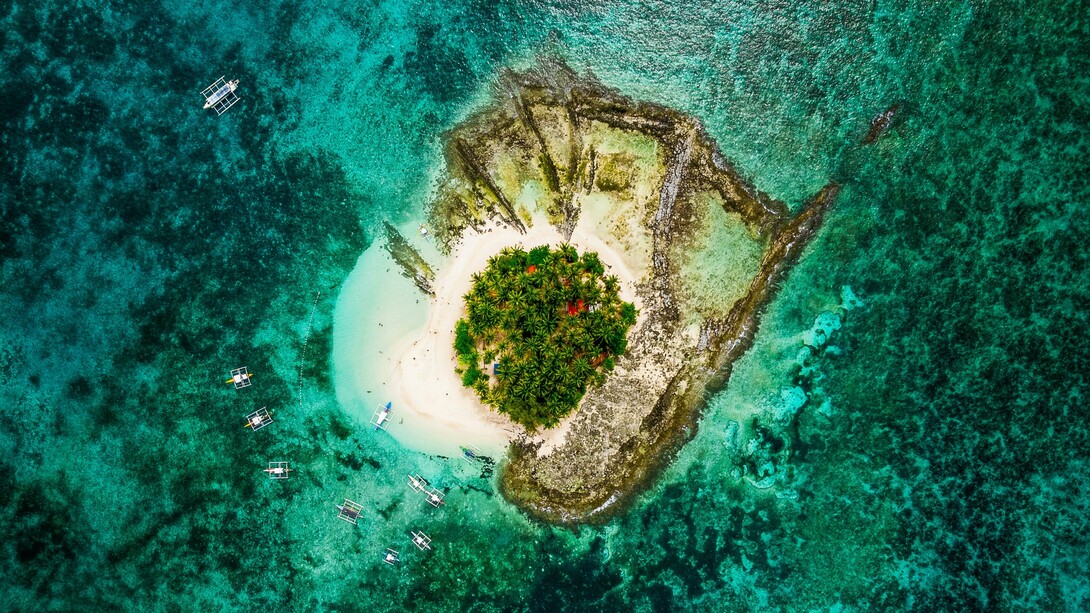
I have been to Siargao twice in my life, and both times felt as though the island was teaching me lessons I didn’t know I needed to learn. For me, Siargao is more than just a destination—it is an experience that lingers, a rhythm of waves and whispers that follows you long after you leave. If you want to see waves bigger than houses, Siargao will show you—unapologetically, beautifully.
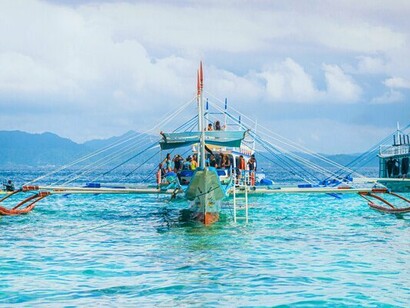
The first time was with a group of teachers from Davao del Norte State College, together with colleagues from the Holy Cross of Davao College. It was our summer holiday, and we decided to celebrate it together. We set out from Surigao, and the sea that day was anything but gentle. The waves rose high, tossing our boat as if to remind us that the journey to paradise is never without struggle.
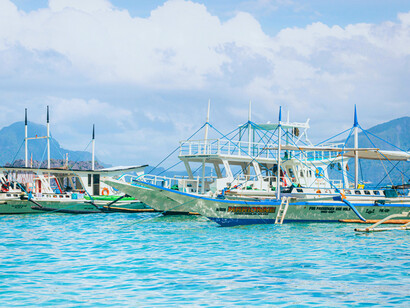
I remember gripping the edge of the banca tightly, salty spray stinging my face, and the wind whipping through my hair. We laughed nervously, half in fear and half in thrill, passing around snacks and stories to comfort ourselves. In those moments of uncertainty, I felt both vulnerable and alive, humbled by the sea’s power but strengthened by the courage of friends who shared the same ride, the same risk, and the same wonder.
The journey took almost six hours, but the views along the way made every jolt of the waves worth it. Experiences like these remind me just how breath-taking the Philippines truly is, and sometimes I wonder if Filipinos fully realize the treasure we have in our own islands.
When we finally arrived, Siargao felt like a gift waiting to be unwrapped. Coconut trees stretched toward the sky, their fronds swaying lazily as though welcoming weary travellers. The sand was soft beneath my tired feet, and the water was so clear it seemed to mirror both sky and soul. That visit was about discovery—not only of beauty, but of resilience. I realized then that reaching Siargao was not just about crossing seas but also about crossing fears and finding joy on the other side.
The second time I came to Siargao, the purpose was different. I was with a group of gender advocates, carrying with us not only luggage but also stories, ideas, and dreams for change. We were there to conduct a gender sensitivity training for one week, and the island became more than just a backdrop—it became a silent witness to our conversations about equality, empowerment, and hope.
During our sessions, the steady hum of the ceiling fan blended with our voices, while outside the waves crashed like a reminder that change, much like the sea, comes in tides—sometimes calm, sometimes fierce, but always moving forward. The scent of grilled fish and rice wrapped in banana leaves drifted in from nearby homes, grounding our discussions in the everyday realities of the people we hoped to serve. In those moments, I felt the deep connection between place and purpose: Siargao was not only a paradise to be marvelled at but also a community, a living space where aspirations for justice and equality could take root.
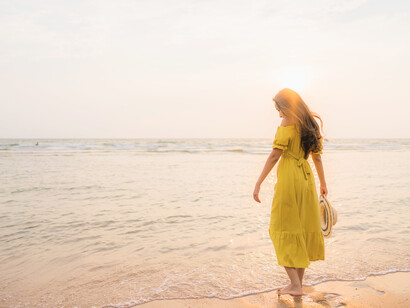
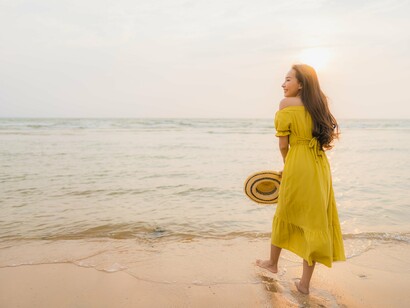
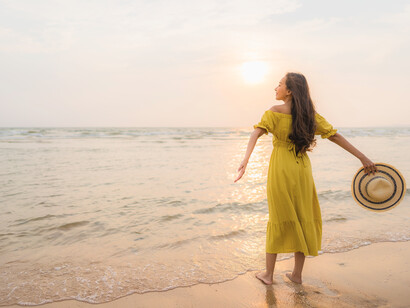
But it was during the quiet moments, after the day’s work, that I felt Siargao speak most clearly to me. Sitting barefoot on the sand at sunset, I watched the horizon transform into a living masterpiece—orange melting into pink, pink deepening into violet, the water reflecting it all with effortless grace. In that stillness, I felt small yet deeply connected to something vast. My heart was full—grateful for the chance to blend advocacy with beauty, to mix purpose with peace.
The island reminded me that the work we do for others is never separate from nature but part of a larger rhythm of life that constantly calls for balance and harmony. Just like our gender discussions, Siargao itself reminded me of a woman—radiant with beauty, admired by many, yet often unprotected and vulnerable. And just as a woman deserves dignity, respect, and protection from abuse, so too must Siargao be preserved and safeguarded, not exploited or taken for granted.
Of course, Siargao is known worldwide for Cloud 9, its iconic surf break—the haven of surfers from around the globe. With my friends, I tried surfing, and it was exhilarating. Climbing onto the board demanded confidence and focus—keeping steady, refusing to be distracted by the power of the waves, and simply moving forward.
I thought to myself, why didn’t I learn this when I was younger? Perhaps by then, crossing waves would feel as natural as crossing the street. I only tried it for a single day, but that single day taught me that surfing requires courage, patience, and a higher level of trust in oneself. It was even more meaningful to share the experience with friends, because we realized that surfing was a metaphor for life: some of us struggle just to rise, some gain strength and balance, while others ride the waves with ease. Yet no matter how different the pace, we are all navigating the same sea.
Another gem of Siargao is the enchanting Sugba Lagoon. To reach it, you need to hire a boat, but the journey itself feels like part of the magic—fresh mangroves lining the waters, flocks of birds flying overhead, and the blue sky folding into the sea. I remember thinking how blessed I was just to witness such beauty. Once inside the lagoon, the world seemed to slow down. Here you could swim in still, crystal-clear waters, kayak across emerald surfaces, or leap fearlessly from a wooden board into the cool embrace of the lagoon.
Then there were the magical Magpupungko rock pools—my personal favourite. Perfectly sculpted by nature, they felt like hidden sanctuaries. We took endless photos, but more than that, we let ourselves rest—soaking in the pools, watching the waves crash beyond the rocks, and feeling both safe and free. It was a place where time seemed to pause, where simply existing felt enough.
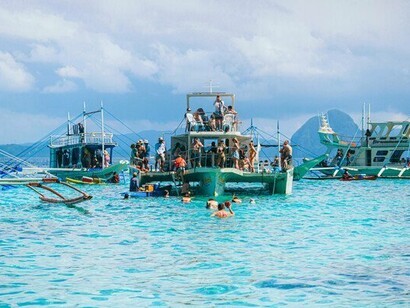
And of course, no visit would be complete without island-hopping to Guyam, Daku, and Naked Island. Each island had its own charm, but for me, the true treasures were the small, unspoken moments: the salt drying on my skin after a swim, the sweetness of mangoes eaten with sticky fingers, the laughter of colleagues carried by the wind, and the way the stars burned brighter here—as if the island wanted us to stay awake in awe. If you’ve never experienced such a tour, you must try it and discover why the Philippines is truly the world’s most beautiful archipelago.
Both times I visited Siargao; I left with more than just photographs or souvenirs. I carried home courage from the rough seas, joy from shared adventures, and strength from voices raised together in advocacy. Siargao, for me, is not only about waves for surfers—it is about waves of memory, meaning, and movement. And as if to seal the journey with grace, on our way home, we were greeted by a rainbow across the sky—a gentle reminder of God’s enduring love.
And perhaps that is Siargao’s greatest gift to me: it reminded me that whether I am a teacher, a traveller, or a gender advocate, life’s journeys—like the tides—are meant to be faced with courage, lived with joy, and shared with others.