English
 Español
 Français
 Deutsch
 Italiano
 Português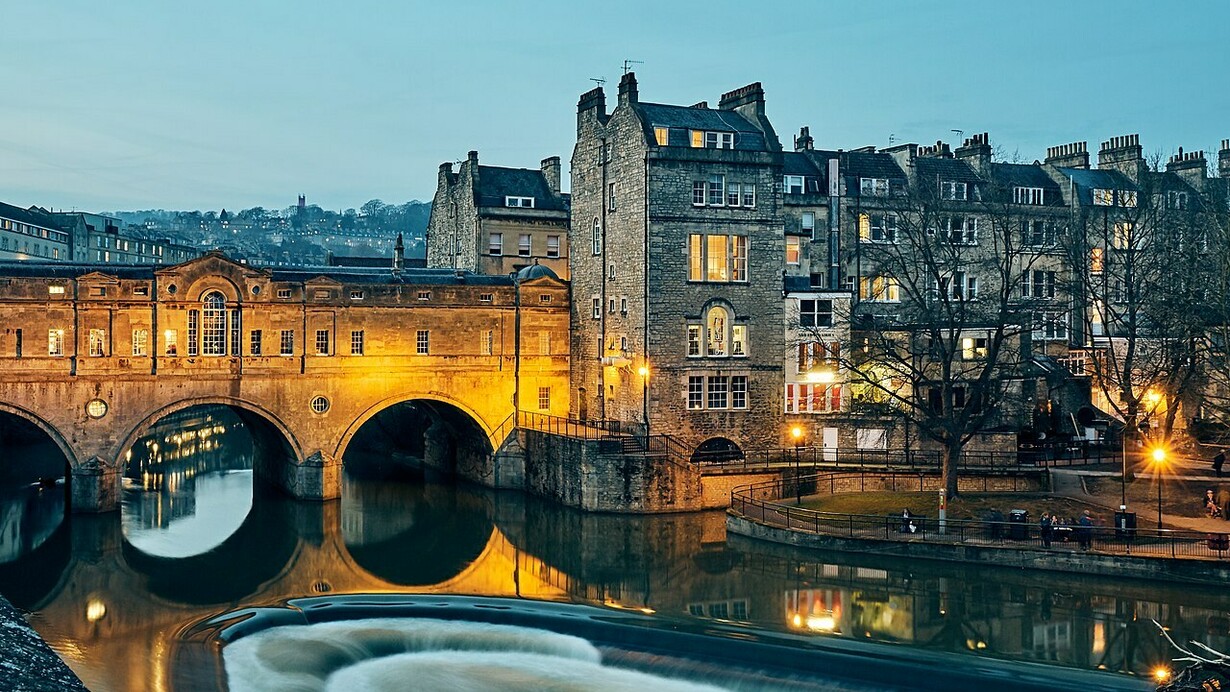
Some cities do not simply exist in the present—they carry the weight of centuries within their streets, their stones, and their stories. Bath, set in the gentle hills of Somerset, is one such place. With its honey-colored limestone buildings glowing under the summer sun and its rich layers of history spanning from the Romans to the Georgians, Bath feels like a timeless masterpiece. Recognized as a UNESCO World Heritage Site, the city embodies a rare harmony of natural beauty, classical architecture, and cultural refinement.
The Roman baths: echoes of Aquae Sulis
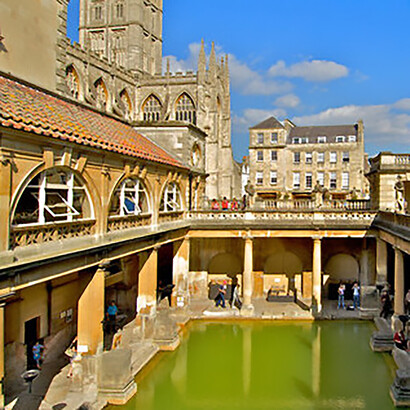
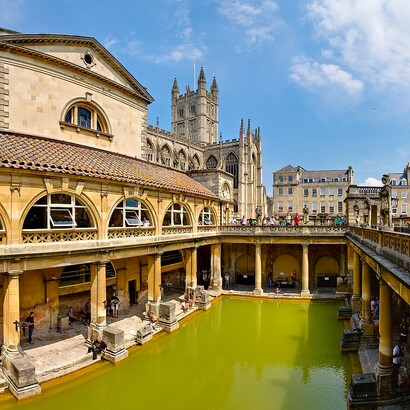
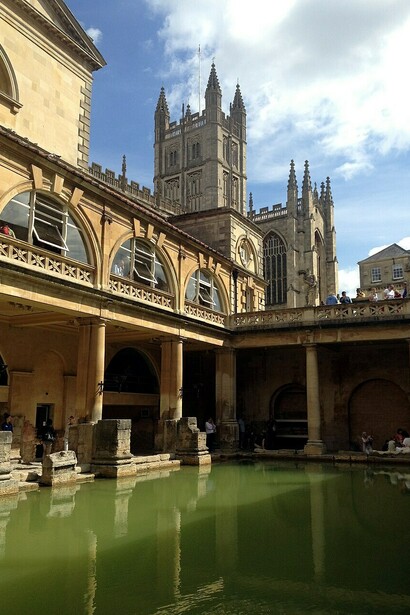
My journey began at the heart of Bath’s story: the Roman Baths. Standing beside the steaming waters of the Great Bath, framed by ancient pillars, I felt transported nearly 2,000 years back, when the city was known as Aquae Sulis. Romans once gathered here not only to bathe but also to worship the goddess Sulis Minerva, believing the thermal spring to be sacred. The gurgle of mineral water still rises from deep beneath the earth, a reminder of Bath’s enduring identity as a place of healing and ritual. Wandering through the museum’s mosaics, temple remains, and artifacts, I could almost hear the echoes of Roman voices lingering in the steam.
Bath Abbey: a towering presence
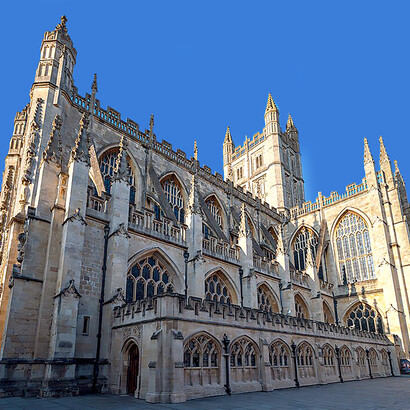
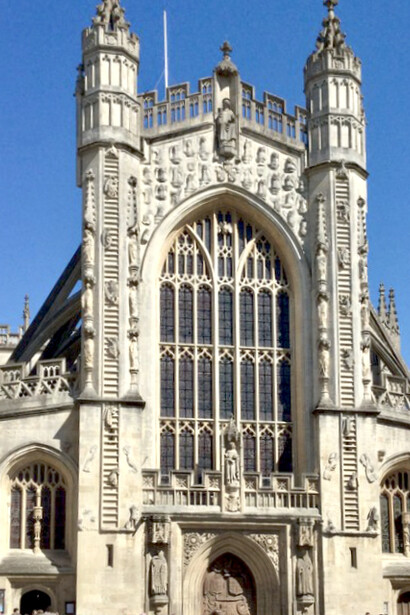
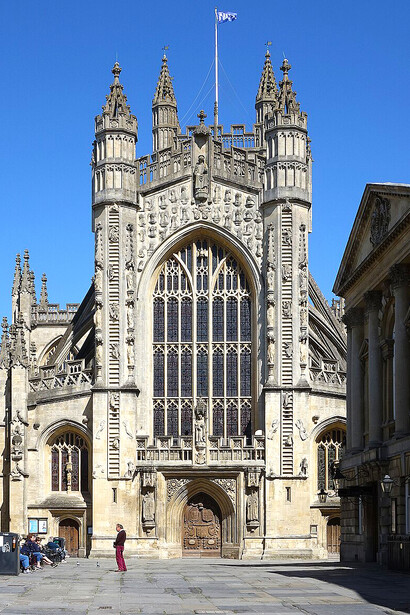
A short walk away stands the majestic Bath Abbey, its intricate Gothic façade stretching upward in a cascade of carved angels. Inside, the stained glass windows filled the nave with kaleidoscopic light, while the fan-vaulted ceiling, with its delicate stone tracery, drew my gaze heavenward. I climbed the tower’s winding staircase, each narrow step leading me closer to the sky, until at last the city unfurled beneath me—golden rooftops, curling lanes, and the Avon winding like a silver ribbon through the valley.
Across the Avon: Pulteney Bridge and Weir
The Pulteney Bridge is one of those rare places where functionality meets beauty. Lined with tiny shops selling books, antiques, and trinkets, it is easy to forget you are on a bridge at all. But leaning over its balustrade, I admired the dramatic sweep of the Pulteney Weir below—a crescent-shaped cascade where the River Avon tumbles gracefully, a perfect companion to the elegance of the bridge itself.
The circus and the Royal crescent: Georgian grandeur
Bath’s identity is also deeply tied to the Georgian era, and nowhere is this more visible than in The Circus and the Royal Crescent. Designed in the 18th century by John Wood and his son, these architectural marvels embody proportion, symmetry, and grandeur. The Circus, a perfect circle of townhouses, felt like stepping into a stage set, while the Royal Crescent stretched like a graceful smile across the hillside. Standing on the green in front of the Crescent, I could imagine carriages pulling up in Austen’s time, ladies in gowns stepping down into the summer air, and society gathering in elegant drawing rooms.
A literary pause: the Jane Austen Centre
Bath is, of course, inseparable from Jane Austen, who once lived here and immortalized the city in Northanger Abbey and Persuasion. At the Jane Austen Centre, I wandered through exhibits on her life, her Bath years, and the way the city influenced her novels. Though Austen herself had mixed feelings about Bath, her characters walk its crescents and assemblies to this day, and for a moment, I felt myself walking alongside them.
Market life: Bath Guildhall market
To balance the historic with the everyday, I wandered through the Guildhall Market, Bath’s oldest shopping venue. Amid the stalls of cheese, artisan crafts, and local produce, the energy of the city felt alive. I bought a small jar of Somerset honey—a golden echo of Bath’s stone—and tucked it away as a memory to bring home.
Thermae bath spa: modern tranquility
The story of Bath’s waters doesn’t end with the Romans. At the Thermae Bath Spa, I experienced their modern continuation. Floating in the warm rooftop pool, mineral-rich and soothing, I gazed out across the Abbey’s spire and the rolling Somerset hills beyond. Time seemed suspended in that moment, as if past and present converged in the steamy air.
By evening, Bath was transformed. The limestone glowed golden in the low sunlight, and the narrow streets softened into a gentle hush. As I strolled back across Pulteney Bridge, the sound of the river blending with the bells of the Abbey, I realized Bath is not simply a city to visit—it is a city to inhabit, to walk slowly, to breathe deeply. Its beauty lies not just in Roman stones or Georgian façades, but in the way every era lingers, layered and alive, making Bath both timeless and unforgettable.
As night settled, Bath revealed yet another layer of its charm. Streetlamps flickered against the honeyed stone, musicians played softly in hidden corners, and the aroma of warm bread drifted from cafés. The city felt like a living canvas, blending ancient whispers with contemporary rhythms. In Bath, history isn’t something confined to museums—it walks beside you, reminding every traveler that beauty and memory are eternally intertwined.