English
 Español
 Français
 Deutsch
 Italiano
 Português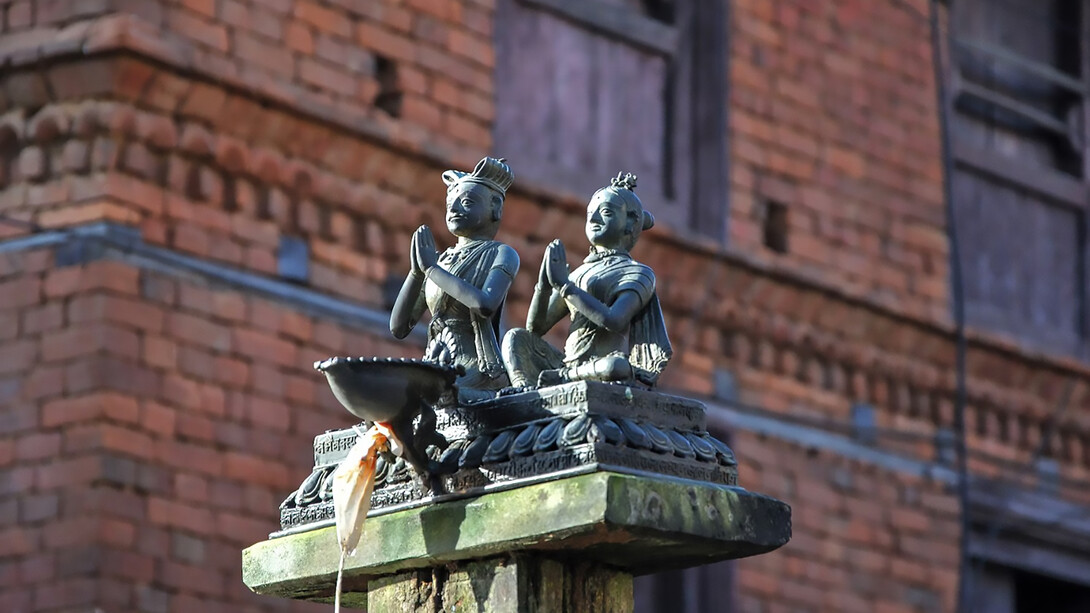
Nestled in the lap of the Mahabharat range, Bandipur is a picturesque hilltop settlement in Nepal that exudes old-world charm, cultural richness, and serene natural beauty. Located in the Tanahun District of central Nepal, midway between the capital Kathmandu and the tourist hub of Pokhara, Bandipur has transformed itself from a sleepy Newar town into a model of rural tourism. The cobbled streets, traditional architecture, and panoramic views make it an enchanting escape for travellers seeking tranquillity, heritage, and authentic village life.
This article delves into the many layers that make Bandipur a captivating destination—its history, culture, architecture, natural beauty, tourism offerings, and sustainable development efforts—while also reflecting on the village’s role as a living museum of Nepalese heritage.
Historical overview of Bandipur
Origins and trade legacy
Bandipur's history dates back to the early 19th century when Newar traders from Bhaktapur migrated to this strategic location to escape the malaria-infested plains of the Terai. Its placement along the India-Tibet trade route made it an ideal hub for commerce. The Newars brought with them their rich culture, architecture, and business acumen, turning Bandipur into a flourishing trading post.
During the Rana regime and early Shah rule, Bandipur thrived as a commercial centre. Its hilltop location provided a safe and temperate climate, attracting merchants and settlers. As trade routes shifted and new highways bypassed the town, its commercial importance waned, but its cultural identity remained intact.
The modern revival
With the construction of the Prithvi Highway in the 1970s, Bandipur was largely left out of the development boom experienced by nearby towns. Ironically, this bypassing helped preserve its traditional character. In the early 2000s, efforts led by local communities and supported by international NGOs aimed to develop Bandipur as a model for eco-cultural tourism. These efforts have borne fruit, positioning the village as one of Nepal’s most successful examples of heritage conservation through tourism.
Architecture and urban design
Newar architecture
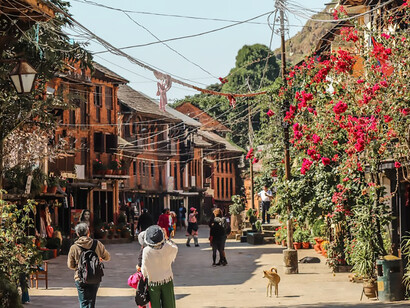
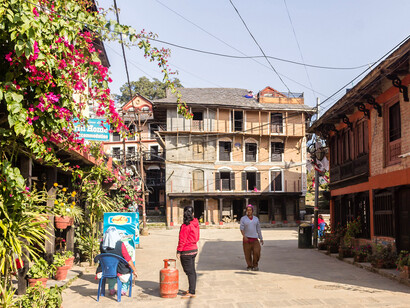
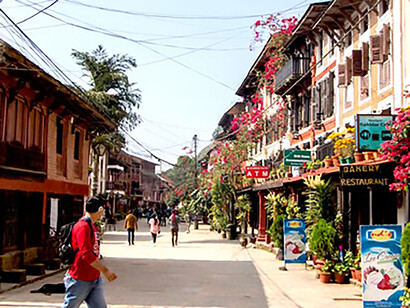
One of Bandipur's defining features is its well-preserved Newar architecture. The traditional houses, many over a century old, are built with brick and wood, showcasing intricately carved windows, sloped roofs with clay tiles, and wooden balconies. These structures line narrow, stone-paved streets that transport visitors to a bygone era.
Public spaces and squares
Tundikhel, a large open ground in the village, offers sweeping views of the Himalayan range and the Marshyangdi Valley. Historically used as a military parade ground, it now serves as a communal space for festivals, gatherings, and leisurely walks. The central bazaar street, free of motor vehicles, maintains a quiet, pedestrian-friendly atmosphere that enhances the village’s timeless appeal.
Religious sites and temples
Bandipur is home to several historic temples that reflect its spiritual traditions. The Bindhyabasini Temple, located at the northern end of the town, is dedicated to the goddess Durga and offers both cultural significance and panoramic vistas. Other religious sites include the Khadga Devi Temple, the Mahalakshmi Temple, and the Teendhara (three-tap) water spout—all echoing the town’s deep-rooted faith and community life.
Cultural landscape
Festivals and rituals
Bandipur celebrates a variety of Hindu and Newar festivals throughout the year. Dashain, Tihar, and Holi are observed with fervour, while Newar-specific festivals such as Indra Jatra and Bisket Jatra involve traditional music, dance, and processions. During Gaijatra, families commemorate the deceased, parading through the streets in vibrant costumes—a tradition that combines humour and grief in a uniquely Newar way.
Language and customs
The primary language spoken in Bandipur is Nepali, but Newar is still preserved among older generations. Customs related to birth, marriage, and death reflect the Newar community's distinct socio-religious practices. Despite modern influences, locals remain proud of their identity and are active participants in cultural preservation.
Handicrafts and local art
Bandipur's artisans continue to practice traditional crafts, including wood carving, pottery, and textile weaving. Souvenir shops sell handcrafted goods, and local households often display heirlooms passed down through generations. These crafts are not only a source of income but also a way to pass cultural knowledge to younger generations.
Natural beauty and biodiversity
Himalayan panoramas
Bandipur offers some of the most spectacular views of the central Himalayas. On clear days, visitors can see peaks like Dhaulagiri, Annapurna, Manaslu, and Langtang. The early morning sunrises and golden sunsets create mesmerising moments, especially from Tundikhel or the nearby viewpoint at Gurungche Hill.
Cave exploration
Several natural caves around Bandipur attract nature lovers and adventure seekers. Siddha Cave, Nepal’s largest limestone cave, is just a short hike from the village and features dramatic stalactites and stalagmites. Other caves like Patalidwar and Bimalnagar add to the region’s subterranean charm.
Flora and fauna
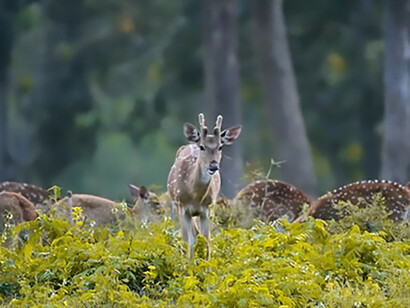
Surrounded by forests and terraced fields, Bandipur is a haven for biodiversity. The area is home to various bird species, butterflies, and native flora, making it an excellent destination for ecotourism. The climate supports subtropical vegetation, and seasonal blooms create colourful landscapes that change throughout the year.
Tourism and hospitality
Homestays and boutique hotels
Bandipur’s tourism model emphasises quality over quantity. Most accommodations are small, family-run guesthouses or boutique hotels converted from traditional homes. These lodgings offer a personal touch, local food, and a chance to experience village life firsthand. Notable examples include The Old Inn, Bandipur Mountain Resort, and Gaun Ghar.
Culinary experiences
Local cuisine is another highlight. Guests can enjoy traditional Newari dishes such as yomari, chatamari, and bara, as well as organic vegetables and local chicken prepared in Nepalese style. Homemade raksi (local alcohol) is often served during meals, giving visitors a full taste of the region’s culinary culture.
Activities and itineraries
Bandipur is ideal for leisurely exploration. Typical activities include:
Walking tours through the bazaar and residential alleys.
Short hikes to Siddha Cave, Ramkot village, or Gurungche Hill.
Birdwatching and photography.
Attending local festivals or participating in cultural programmes.
For those on longer itineraries, Bandipur serves as a relaxing stopover between Kathmandu and Pokhara.
Community-based tourism and sustainability
Local participation
A major strength of Bandipur's tourism success is its community-based approach. Local residents are actively involved in maintaining heritage buildings, managing waste, and hosting visitors. Decisions regarding tourism development are made collectively, ensuring that growth benefits everyone.
Environmental protection
Bandipur has implemented several eco-friendly practices, such as banning plastic bags, promoting solar energy, and encouraging organic farming. Regular clean-up campaigns and awareness programmes help maintain the village’s cleanliness and environmental integrity.
Education and empowerment
Revenue from tourism has supported schools, health posts, and women’s cooperatives. Training programmes in hospitality, language skills, and entrepreneurship have empowered the youth and women of the village, leading to reduced outmigration and improved quality of life.
Challenges and the road ahead
Balancing modernisation with heritage
As more tourists discover Bandipur, the challenge lies in managing development without compromising the village's character. Modern construction, if not regulated, could disrupt the architectural harmony. Local authorities and NGOs must enforce building codes and sustainable tourism policies.
Infrastructure and accessibility
While the road to Bandipur from Dumre has improved, landslides and weather-related disruptions can affect access. Investments in safe infrastructure, communication networks, and healthcare facilities are necessary to support residents and travellers alike.
Economic diversification
Although tourism is a major economic driver, reliance on it makes the village vulnerable to external shocks such as pandemics or natural disasters. Encouraging local agriculture, crafts, and remote work opportunities could help diversify income sources.
Bandipur in the broader tourism context
Model for rural tourism
Bandipur’s success story is often cited in Nepalese tourism literature as a benchmark for rural tourism. It demonstrates how cultural preservation, environmental sustainability, and community participation can go hand in hand.
Cultural diplomacy
As international travellers continue to visit Bandipur, they act as informal ambassadors, spreading awareness of Nepal’s cultural richness. The village also hosts student exchange programmes, volunteering initiatives, and art residencies, creating a space for cross-cultural learning.
Opportunities for research and education
Bandipur is an excellent field site for researchers studying sustainable development, heritage conservation, and rural livelihoods. Its integration of modern tourism with traditional life offers rich insights for academia and policy-making.
Conclusion
Bandipur stands as a testament to the power of preservation and local initiative. Its cobbled streets, majestic views, and vibrant culture invite visitors to pause, reflect, and reconnect—with nature, with heritage, and with themselves. In an age of fast-paced travel and mass tourism, Bandipur offers a different path—one rooted in simplicity, beauty, and respect for the past.
For those seeking more than a destination, Bandipur is a journey—into history, into community, and into the soul of Nepal.