English
 Español
 Français
 Deutsch
 Italiano
 Português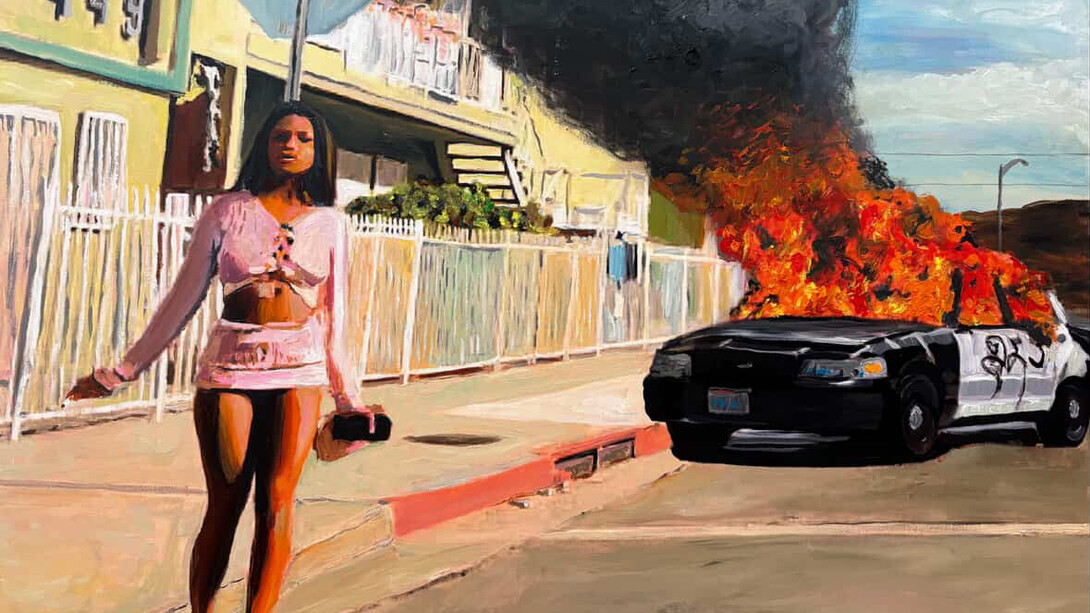
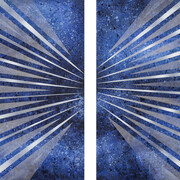
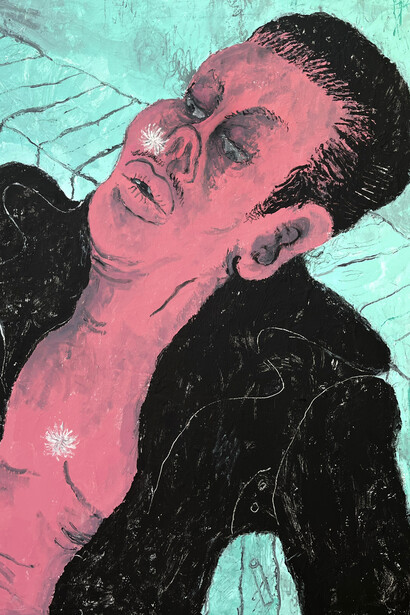
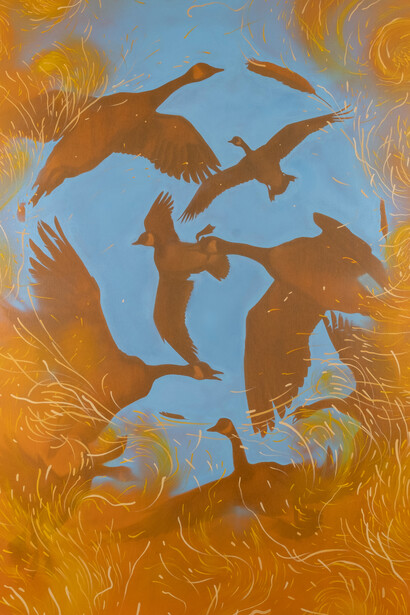
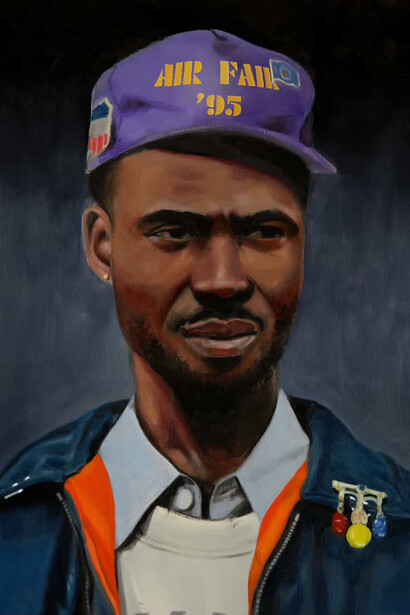
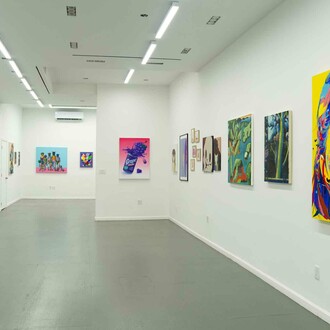
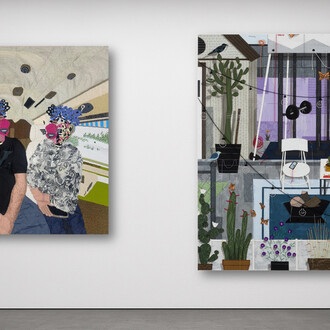
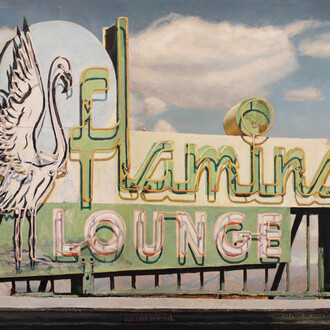
GR Gallery is pleased to present Purgatory, a group exhibition featuring new works by Jordan Sullivan, Robert Martin, Jacob Rochester, and Ruminz. The exhibition brings together 16 paintings influenced by outsider art, rural aesthetics, and Americana, creating a cross-cultural dialogue that bridges diverse styles and backgrounds. Collectively, the works unfold as a contemporary grand tour, placing themes of self discovery and revelation at their core. Purgatory focuses on raw, unfiltered depictions of suburban and everyday life, rendered with a crude yet deliberate realism. Through an unabashed visual language, the exhibition confronts current social realities, offering an honest and direct reflection on the tensions and complexities of contemporary society.
Purgatory seeks to highlight specific subcultural and civic dimensions of American society through a timely and incisive examination of uncomfortable and unsettling narratives—stories that have long remained unwritten, deliberately obscured, softened, or left formally untold. While firmly situated in a contemporary context— where social tensions are laid bare and hypocrisy exposed—the exhibition also gestures toward a broader and older Western lineage in which creativity, and creatives themselves, emerge as the embedded and leading voices of marginalized and outcast cultures.
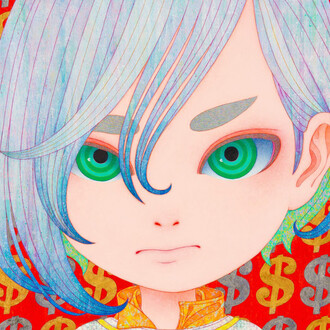
Despite their distinct approaches and visual languages—Sullivan’s raw and narrative driven scenes, Martin’s detailed and pragmatic compositions, Rochester’s subtle and trend-aware sensibility, and Ruminz’s stylized, textured works—the four artists share a strong conceptual foundation. Their practices intersect through common themes and chronologies: nostalgia, on-the-road iconography, suburban settings, edgy contextualization, a tension between emptiness and hope, and an attention to minorities, renegades, critique, and visual reportage.
Purgatory invites visitors into a suspended psychological and emotional state, where the intensity of an unrelenting reality meets the absurdity of the depicted scenes. The exhibition reflects on the struggle to be heard, the fragility of change, and the enduring desire for redemption. In doing so, it captures a fragment of human existence marked by suffering, while offering a tentative yet resonant glimpse toward the possibility of a more lucid and humane future.