English
 Español
 Français
 Deutsch
 Italiano
 Português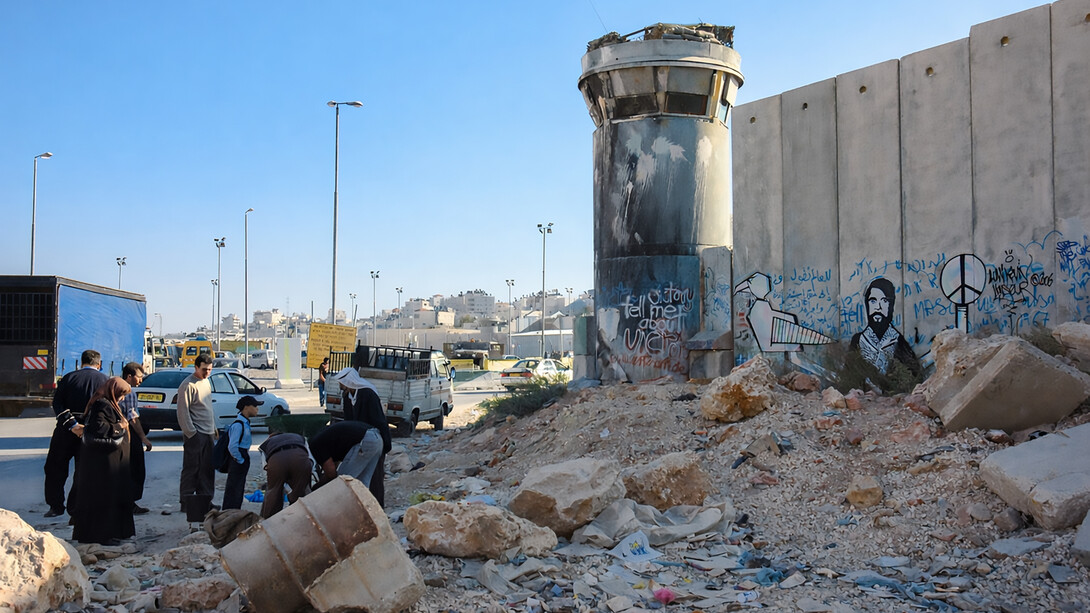
The struggle of the Palestinian people is widely recognized as one of the clearest examples of prolonged oppression in the modern world. For decades, Palestinians have lived under Israeli military occupation, siege, and discriminatory policies that deny them basic human rights and national self-determination. What is often framed as a “conflict” is, in reality, a situation marked by extreme power imbalance, where one side exercises near-total control over land, borders, resources, and movement, while the other endures dispossession and repression.
Since 1967, Israel has occupied the West Bank, including East Jerusalem, and imposed a suffocating blockade on the Gaza Strip. Under this occupation, Palestinians are ruled by military law, while Israeli settlers living illegally on the same land enjoy full civil rights under Israeli law. This dual legal system entrenches inequality and institutionalizes discrimination, making Palestinians subject to arbitrary arrests, military courts, and collective punishment. Such practices violate core principles of international law and expose the fundamentally unjust nature of the occupation.
Israeli settlement expansion is one of the most aggressive tools of oppression used against Palestinians. Settlements are built on confiscated Palestinian land, often accompanied by the demolition of Palestinian homes and the displacement of entire families. These settlements fracture the West Bank into isolated enclaves, connected by settler-only roads and heavily guarded infrastructure. This deliberate fragmentation destroys Palestinian social cohesion and makes the creation of a viable Palestinian state increasingly impossible, revealing a clear intent to permanently control the territory.
Restrictions on movement are another defining feature of Palestinian life under Israeli control. Hundreds of checkpoints, roadblocks, and the separation wall severely limit Palestinians’ ability to travel freely within their own land. These measures disrupt access to education, employment, healthcare, and family life, trapping many Palestinians in cycles of poverty and dependency. While Israel claims these restrictions are for security, their sweeping and indiscriminate nature amounts to collective punishment, which is prohibited under international humanitarian law.
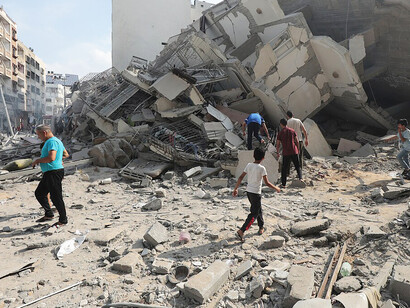
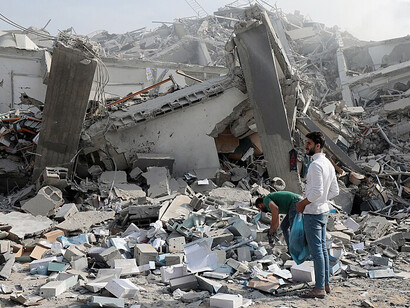
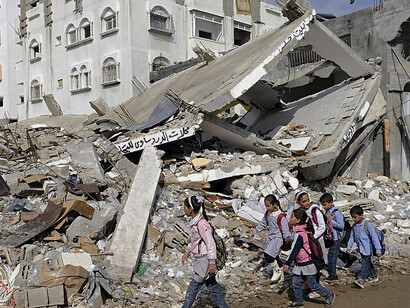
Nowhere is oppression more visible than in the Gaza Strip. Subjected to an air, land, and sea blockade since 2007, Gaza has effectively been turned into an open-air prison. Israel controls Gaza’s borders, airspace, and population registry, leaving its residents with little control over their own lives. Repeated military assaults have devastated civilian infrastructure, killed thousands of civilians, and left Gaza’s healthcare and water systems on the brink of collapse. The humanitarian crisis in Gaza is not accidental; it is the direct result of deliberate political decisions.
Israeli military violence against Palestinians extends beyond Gaza. In the West Bank and East Jerusalem, raids, shootings, and mass arrests are routine. Palestinians, including children, are frequently detained without charge under administrative detention, denied due process, and subjected to harsh interrogation practices. The killing of Palestinian civilians, often with little accountability, reinforces a culture of impunity that signals Palestinian lives are disposable under the current system.
East Jerusalem represents a particularly stark example of structural injustice. Palestinian residents face home demolitions, forced evictions, and residency revocations designed to reduce the Palestinian presence in the city. At the same time, Israeli authorities actively promote Jewish settlement expansion and provide extensive state support to settlers. This unequal treatment exposes policies aimed at demographic engineering rather than peaceful coexistence.
An increasing number of human rights organizations now describe Israel’s treatment of Palestinians as apartheid, pointing to laws and policies that systematically privilege Jewish Israelis while oppressing Palestinians. Although Israeli officials reject this characterization, the evidence on the ground—segregation, legal inequality, land theft, and denial of political rights—aligns closely with internationally recognized definitions of apartheid.
In conclusion, Palestinian oppression is not the result of isolated incidents or temporary security measures; it is the outcome of a sustained system of domination. Military occupation, settlement expansion, siege, and legal discrimination work together to deny Palestinians freedom, dignity, and justice. Any genuine path toward peace must begin with ending the occupation, dismantling discriminatory structures, and holding those responsible accountable under international law. Without justice for Palestinians, there can be no lasting peace.
Media representation also plays a significant role in sustaining this imbalance. Mainstream narratives frequently prioritize Israeli security concerns while marginalizing Palestinian suffering, reducing decades of structural violence to episodic “clashes” or cycles of retaliation. Palestinian voices are often excluded, decontextualized, or treated with skepticism, while Israeli state narratives receive disproportionate legitimacy. This asymmetry in representation shapes public perception and weakens international solidarity, allowing systemic injustice to persist behind a veil of false equivalence.
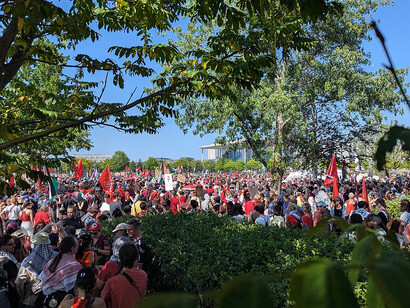
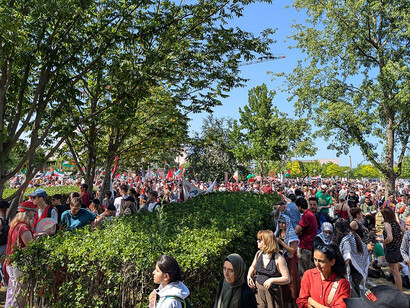
At the same time, Palestinian civil society continues to resist erasure through documentation, advocacy, and grassroots organizing. Journalists, human rights defenders, and ordinary citizens risk their lives to record violations and preserve historical memory. Their work challenges attempts to normalize oppression and insists on a truth grounded in lived experience rather than political convenience.
The question, then, is not whether Palestinians deserve freedom, but whether the international community is willing to confront the structures that deny it. Silence and inaction are not neutral; they are forms of complicity. History will judge not only those who enforced oppression but also those who watched it unfold and chose restraint over responsibility.