English
 Español
 Français
 Deutsch
 Italiano
 Português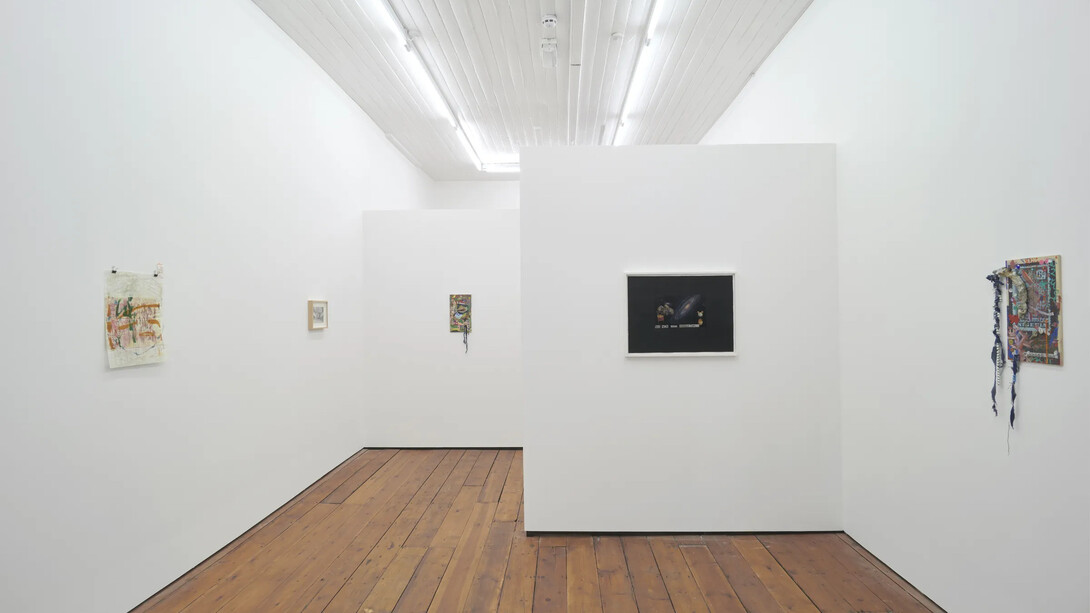
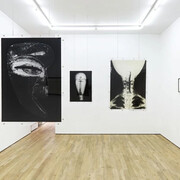
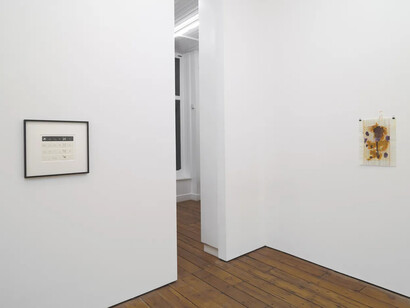
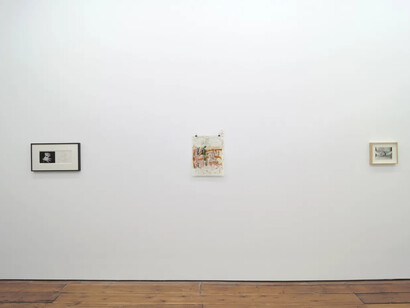
This presentation features works by three artists from different generations and cultural backgrounds. What connects them is a shared notion that language – written, oral or visual – can be dissolved or displaced into a vibrant liminal space, a portal that facilitates the challenging of traditional systems and hierarchies.
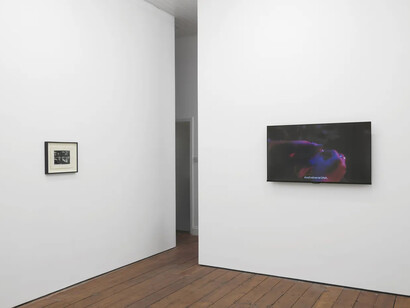
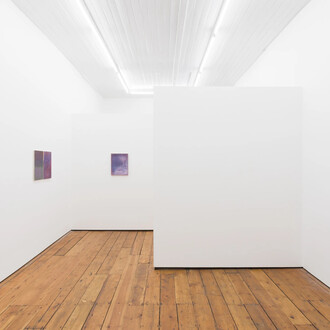
The video work Creole garden in normandy by Gaëlle Choisne documents the making of a Creole garden in Normandy through which she reflects upon the colonial relationship between Haiti and France. She considers themes of genealogy, healing, and resistance to examine the intricacies of this shared history and offers glimpses of hope for a more inclusive and sustainable future. Her paintings from the series Safe Spaces for a passing History combine an idiosyncratic mix of media; ceramics, pastels, painting, photographs, archive images, talismanic writing and everyday objects. First devised in order to represent historical feminine figures from the black Haitian revolution, Choisne has referred to the series as an 'ode to the chaordic’ a harmonious and organic fusion of order and chaos, high-brow and low-brow, that creates ’safe spaces’ for reinvention.
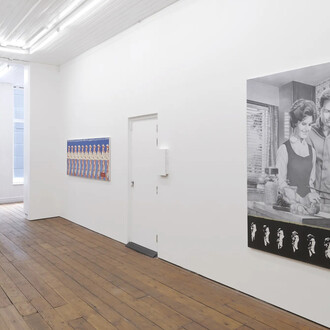
Ketty La Rocca’s verbal-visual collages from the mid-1960s used texts in the style of advertising slogans and media propaganda, subverting their meaning through a play on words that draws out their ambiguities, and elaborates her ideas through the pairing of such texts with images drawn from popular magazines and newspapers. These works were calls to become politically aware and to resist the political and clerical manipulation played out in the media at the time. Ma non cerco abbastanza (But I don’t try hard enough) exemplifies this subversive approach as the words and images resist any direct translation or meaning. Other works in the exhibition which focus on La Rocca's works with hands illustrate her drive to disrupt traditional language, which she considered to be representative of the patriarchy. She proposed as an alternative a language of gestures, one that encompassed a more emotional and expressive form of communication.
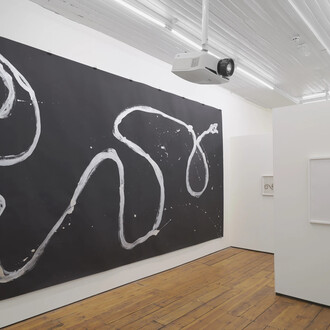
Launched in the wake of the Tohoku earthquake, tsunami, and nuclear disaster of 2011, Gozo Yoshimasu's Dear monster project (2012–16) explores the possibilities for poetry in the face of such a catastrophe. These mixed-media works on paper feature Yoshimasu’s transcriptions of works by his mentor and friend Takaaki Yoshimoto (1924–2012), a leading poet and thinker of postwar Japan. Writing in his characteristic compact scrawl, Yoshimasu dismantles and reassembles texts ranging from language theory to poems touching on love, loss, and death. Embellished with colorful splashes of paint and collaged elements, each work becomes part manuscript, part painting, and part score awaiting activation by the viewer.