English
 Español
 Français
 Deutsch
 Italiano
 Português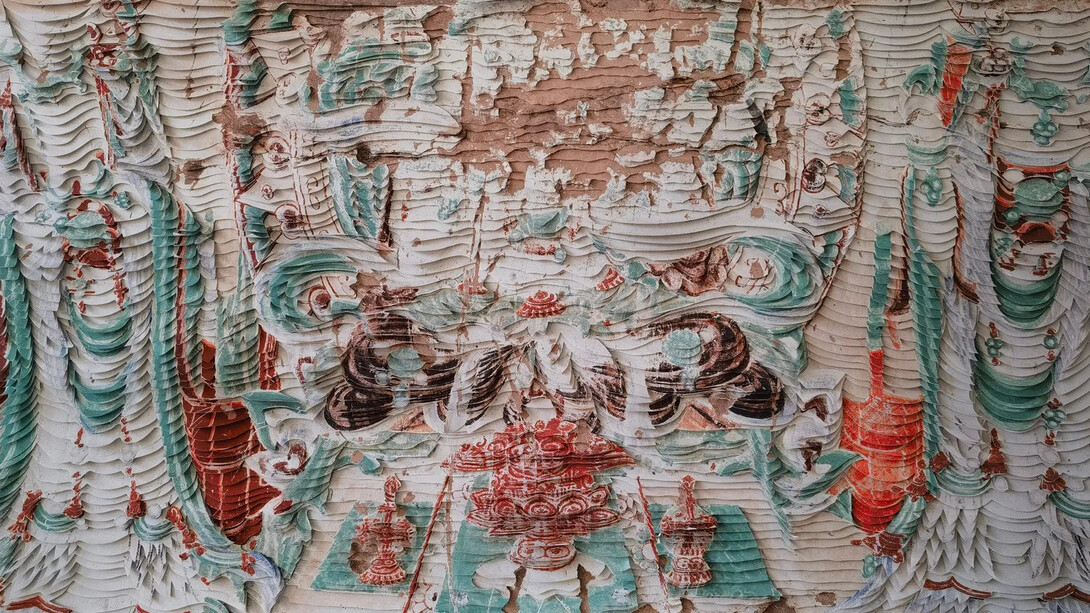
Recluse considers seclusion not as withdrawal from the world, but as a conscious return to an inner discipline shaped by time, humility, and reflection. In Zhang Xiaodong’s work, retreat becomes a way of seeing more clearly—of standing apart in order to understand the world more deeply.
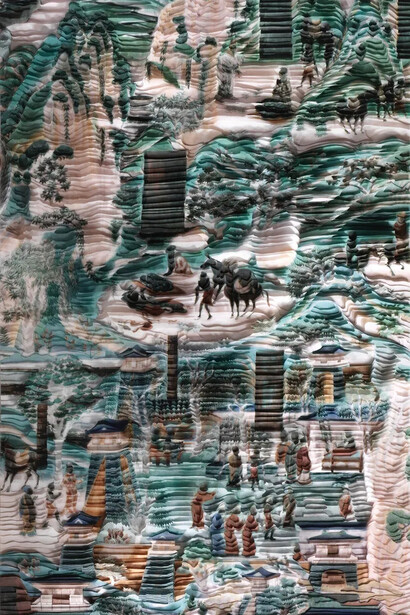
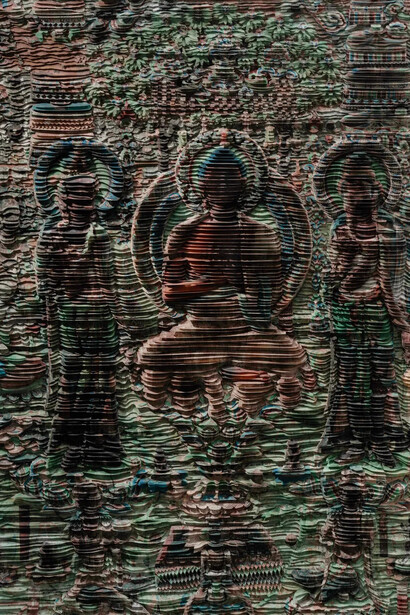
Drawing from the spiritual and cultural legacy of Dunhuang, where caves functioned as sites of devotion, preservation, and quiet labour across centuries, Zhang approaches seclusion as a lived condition rather than a symbolic gesture. The cave, both physical and metaphoric, emerges as a space where time slows, surfaces accumulate memory, and the self is refined through sustained attention.
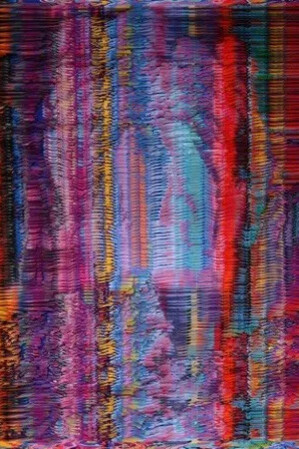
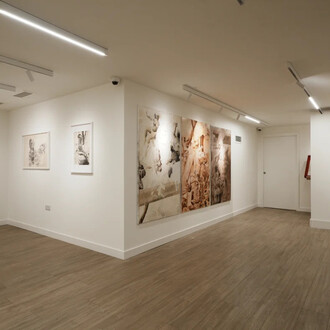
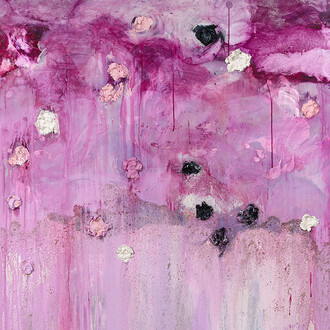
Across the works presented in Recluse, material restraint and compositional stillness mirror this inward movement. Forms appear pared down, measured, and deliberate, resisting immediacy in favour of duration. Here, silence is not absence but presence—an active state in which humility, compassion, and composure are gradually cultivated.
In an age defined by acceleration and constant visibility, Recluse proposes seclusion as a necessary counterpractice. It invites the viewer to step away from noise and spectacle, to encounter another rhythm of time, and to consider retreat not as escape, but as a quiet form of resistance and continuity.