English
 Español
 Français
 Deutsch
 Italiano
 Português
With life expectancy rising globally, women are living longer than ever. However, this is not necessarily in better health.
A 2024 McKinsey report1highlighted that women spent close to nine years in ill health. And a significant portion of this ill health is often spent in midlife, where metabolic shifts, hormonal changes, stress loads, and increased disease risk all start. While science and even advances in technology show promise for women with extra years of health, the question remains: what does this actually mean for women, especially in their midlife?
What does longevity really mean (for women)?
Longevity is often considered to imply living for a longer life span, say 85 instead of 78 years. However, this is very far from what it actually means. Longevity, in essence, includes both your lifespan and your health span.
This is especially true in the case of women. Even though women outlive men, on average, by 5 to 7 years, they spend a lot of this time in poor health. Women are expected to navigate chronic conditions, mobility limitations, changes in metabolism due to menopause, bone density drops, and cardiovascular risks in this longer lifespan, with little help from the healthcare system.
So while it is possible to live longer, for women, it is about focusing on their health during those years, rather than just prolonging lifespan.
A lot of the causes of ill health in the senior years can often be prevented by some simple proactive steps taken earlier on in life to make healthspan also count in the longer years of life.
What is the research telling us about women's longevity?
A 2024 JAMA original investigation2 on healthspan and lifespan found a 2.4-year extended gap among women compared to men. This meant that women were spending more years with noncommunicable disease or disability when compared to men.
So, for women, living longer creates a morbidity paradox, where even though they are living longer, they are spending a significant number of years in poor health. For a lot of the health conditions accounted for in these years, a lot of the women have no proper diagnosis or care.
One primary component accounting for health challenges in women’s senior years is hormonal health, particularly during menopause. Women’s hormones, specifically estrogen3, influence mental health and physical health parameters such as heart health and bone health. So declining estrogen, even in the perimenopausal years, contributes to morbidity during a woman’s extended lifespan.
Research data sets are also significantly male-specific. So treatment and prevention for heart health, bone health, and other age-specific conditions follow a standard pattern, when women experience these same conditions very differently.
The National Academies of Science, Engineering, and Medicine highlights research on the influence4 of hormones, sex chromosomes, genetic drivers, and the environment that will hold key clues on how to improve a woman’s longevity healthspan.
How can emerging health trends influence longevity for women?
There is a lot being researched, developed, and rolled out in the women's health space. However, some key focus aspects should be at the forefront when building in the women’s health space.
Closing the gap in health span
Rather than only spotlighting one’s lifespan, working toward developing interventions to address health conditions early can ensure a better health span. This, in turn, prolongs lifespan as well.
For women, this means sex-specific clinical trials that understand how preventive strategies work. This can also help in tailoring treatment for specific conditions based on how women, their genes, and hormones affect outcomes of specific health conditions. This is in particular necessary in the later decades of life, when hormones are on the decline, and related morbidity, seen with cardiovascular disease or osteoporosis, for example, starts to rise.
Focus on gender-specific aging
Closing the gender health gap can add $1 trillion to the economy by 20405. This can be done through understanding what health needs are specific to women. So with better health, women are likely to show up more frequently to work and even contribute significantly to their families with better health.
Currently, women are spending 25% more days of their lives in debilitating health6. With a lens on gender-specific aging, like understanding how pain affects women, inflammatory pathways, and women-specific treatment, we can give back around 7 extra health days per year. That’s 500 in a lifetime.
Integrating lifestyle and preventive care frameworks
While exercise and a healthy lifestyle are important for everyone, they can be crucial for women as they age. Studies have shown that people, on average, lose between 1% and 3% of bone and muscle strength7 every year after 50. For women who haven’t added strength training to their workouts by their 30s, this can be detrimental. Strength training has been proven8 to prevent muscle loss and retain bone density, especially for women.
Similarly, a healthier diet is also crucial to lowering the risk of diabetes, cardiovascular events, and obesity. A typically Mediterranean-based diet is the best in terms of this.
At the helm of preventive care is education on the simple preventive strategies that women can adopt to improve their health span as they age. This also includes preventive health screening for cancers, as well as regular vaccinations as required.
Better inclusivity in research, data collection, and innovation
Historically, most of the studies that have been conducted on aging have been represented with male data sets. So, any healthcare or treatment strategies have been lacking a female-specific outlook.
To improve longevity for women, starting with women-centered aging research is important. This then has to branch into women from different ethnicities, socioeconomic backgrounds, and life circumstances. Care should be taken for care to be seen more from a nuanced perspective when given, taking into consideration the unique blend of factors that cause health conditions in women.
Encouraging women to make informed choices for themselves
While science is advancing, health tech for women is taking leaps; there are many roadblocks when it comes to education, awareness, and stigma surrounding women’s health. In many countries, women are still unaware of basic preventive healthcare screenings and tests, which often make it too late when they come to receive treatment.
Similarly, women are often dismissed for their health concerns, which makes them suffer for many years, reducing their healthspan, before they receive care. A common example of this is endometriosis, which takes, on average, 7-10 years for diagnosis.
Encouraging women to reach out for healthcare and providing the means to do so is a cornerstone in improving longevity outcomes for women.
What areas can women focus on for better health today?
It will be a while before science catches up. But women can take meaningful steps today to improve their health trajectory.
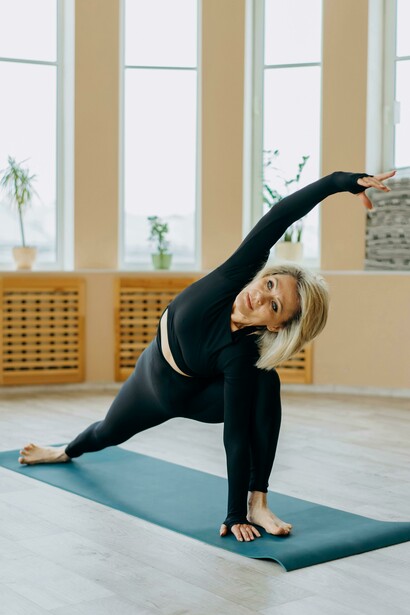
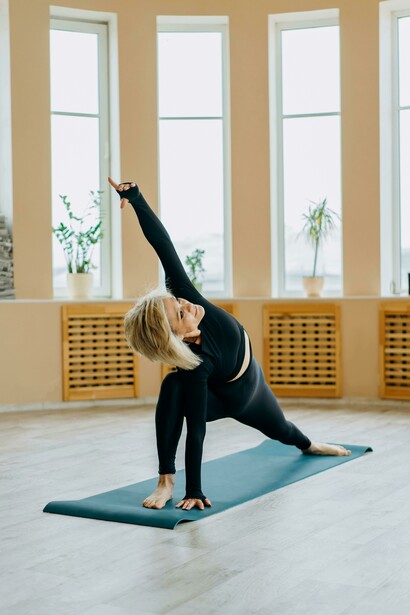
A major pillar in this is musculoskeletal health. Not only does increasing the number of hours exercised per week improve muscle and bone health, but it also improves heart, brain, and cellular health. Exercising is also important for regulating emotions and sleeping better. All necessary for living a better life as you age.
Being in tune with your hormonal fluctuations should also be a priority as you age. Your lifestyle should look different based on where you are in your monthly cycle and whether you are preparing for pregnancy or are in perimenopause.
Opt for preventive care over treating health conditions. It reduces the time and money spent with doctors. Get in yearly check-ups, ask your doctor for screening tests you need, and book appointments with other healthcare specialists as needed.
The bottom line
Being able to extend your life beyond the basic norm of a lifespan is a triumph of modern medicine. However, the real challenges, especially for women, remain. These extra years can be riddled with chronic illness, persistent doctor visits, declining health with age, and so on.
However, with increasing inclusion of women in health research, a rise in technological innovation for women’s health, and better gender-specific patterns in healthcare, a positive outlook is provided. And this, coupled with proactive steps taken by women for their health, can ensure that women can live with better health in their long lives.
References
1 Falk, P., & Bishen, S. (2024, January 17). Women are second-class citizens when it comes to health Closing the gap could be worth $1 trillion. World Economic Forum.
2 Garmany, A., & Terzic, A. (2024). Global healthspan-lifespan gaps among 183 World Health Organization member states. JAMA Network Open, 7(12), e2450241.
3 Camon, C., Garratt, M., & Correa, S. M. (2024). Exploring the effects of estrogen deficiency and aging on organismal homeostasis during menopause. Nature Aging, 4(12), 1731–1744.
4 National Academies of Sciences, Engineering, and Medicine. (2024, July 10). Significant lack of data and research on chronic conditions affecting women is hindering diagnosis, treatment, and prevention; report calls for enhanced NIH research effort.
5 Ellingrud, K., Pérez, L., & Petersen, A. (2024, January 17). Closing the women’s health gap: A $1 trillion opportunity to improve lives and economies. McKinsey Health Institute.
6 Whiting, K. (2024, January 31). Why the women’s health gap exists — and how to close it, according to experts at Davos. World Economic Forum.
7 Curtis, E., Litwic, A., Cooper, C., & Dennison, E. (2015). Determinants of muscle and bone aging. Journal of Cellular Physiology, 230(11), 2618–2625.
8 Chen, A., Guo, C., & Zhou, Y. (2025). Effects of resistance training on preventing muscle atrophy and bone loss in simulated weightless population: A systematic review and meta-analysis. Frontiers in Physiology, 16, 1694891.