English
 Español
 Français
 Deutsch
 Italiano
 Português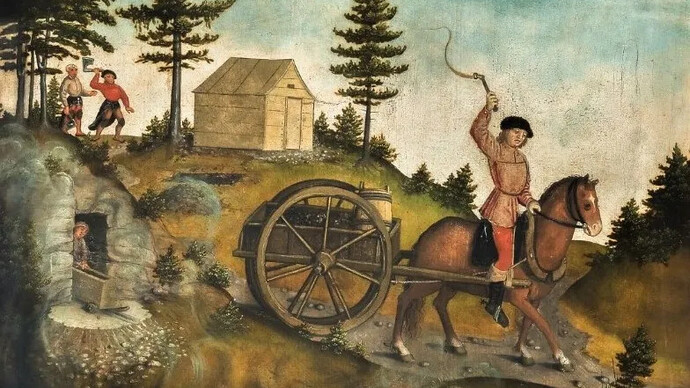
The historical-cultural exhibition uses personal perspectives to tell the story of how the city and region of Chemnitz were once interwoven with the mining districts of the Ore Mountains. It provides an insight into the trade relations, friendships and family ties of little-known personalities from the mining and metallurgical industries.
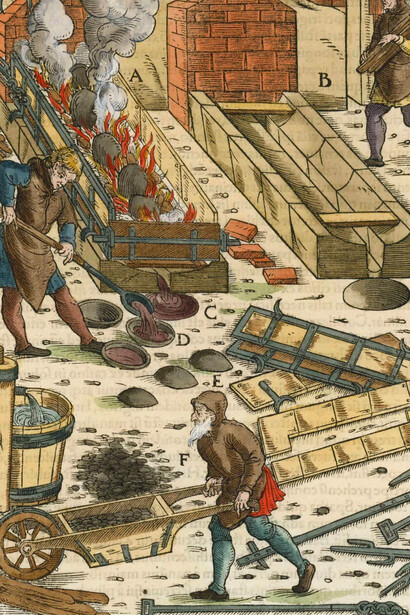
Anyone who wanted to profit from and understand silver mining had to go down into the mines and deal with many areas of knowledge, as the work De re metallica, written by Georgius Agricola in Chemnitz and distributed worldwide, shows. Here, on the site of an important smelting works, the Schütz family of entrepreneurs occupied a central position. They were active donors in the towns of Chemnitz, Geyer, Erdmannsdorf and Saragossa. ‘Their’ altar in Erdmannsdorf still depicts the miners’ saints Anna and Barbara.
At the beginning of the 18th century, the chief mining administrator Hans Carl von Carlowitz of Rabenstein addressed the threat of a timber shortage and the resulting need for sustainable forestry. Mining in the Ore Mountains was held in high esteem thanks to the Saturn Festival with a miners’ procession organised by Augustus II the Strong at the Dresden court in 1719.
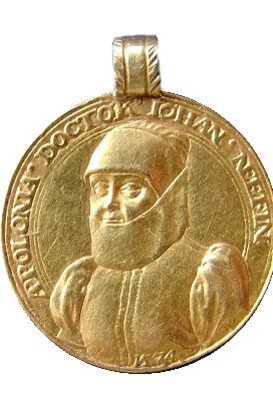
The traditions of the mining guilds are still alive today, especially during Advent. Important collectors’ items and works of art, as well as old prints, ore specimens and models, present the selected personalities in their relationships and lives.