English
 Español
 Français
 Deutsch
 Italiano
 Português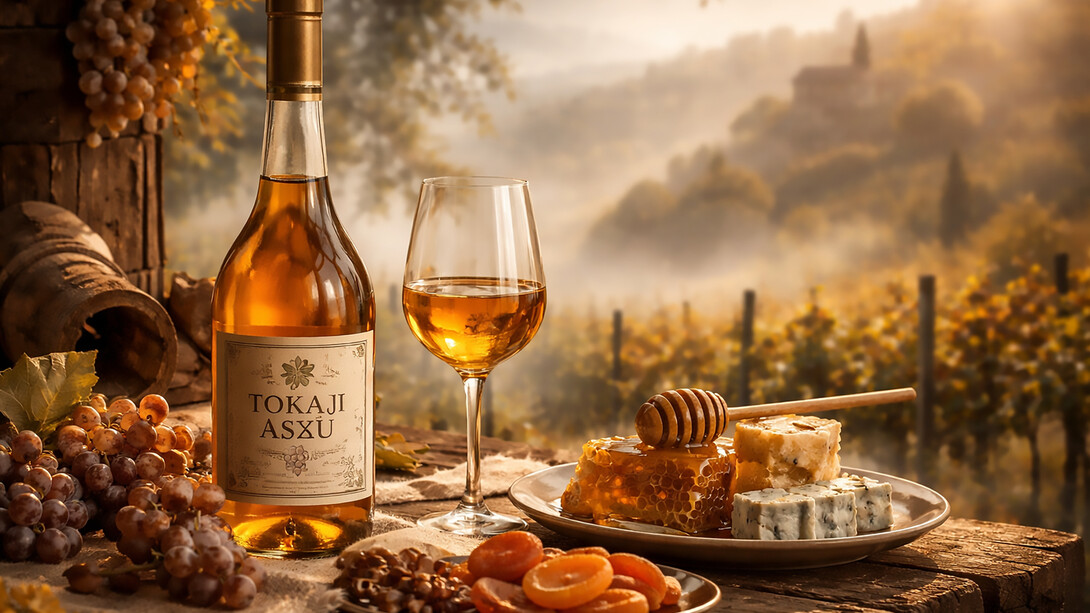
I typically lean towards the deep, complex flavors of red wine, but I must take a moment to celebrate the legendary sweet wine from Hungary: Tokaji Aszú. This illustrious dessert wine is crafted from grapes delicately affected by noble rot (Botrytis cinerea), a remarkable process that transforms the fruit, intensifying its sugars and deepening its flavors. The result is a captivating elixir that tantalizes the palate with luscious notes of honey, ripe apricot, and zesty orange.
The sweetness of Tokaji Aszú is meticulously gauged using the Puttonyos scale, which ranges from 3 to 6 puttonyos. This intriguing system reflects the number of baskets of dried aszú berries incorporated into the base wine; higher numbers signify sweeter, more opulent wines, artfully balanced by a refreshing acidity that lifts the entire experience.
Another fascinating variety is Szamorodni, which can be made from grapes that feature or lack noble rot, offering a spectrum of taste possibilities. Additionally, there’s the extraordinarily rare Eszencia, a delightful treasure made from the pure, unpressed juice of botrytised grapes, presenting an unparalleled richness that sweet wine enthusiasts dream of indulging in.
Styles of sweet Tokaji wine
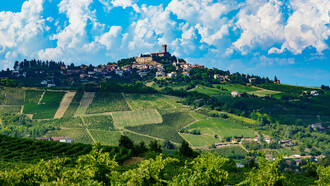
Nestled in the lush landscapes of Hungary, the Tokaj region is graced with a remarkable microclimate, sculpted by the ethereal mists rising from the Bodrog and Tisza rivers, followed by the embrace of sunny afternoons. This unique environment is a haven for Botrytis cinerea, affectionately known as noble rot, which delicately shrivels grapes, intensifying their sugars and rich flavors.
Tokaji Aszú: celebrated as the iconic sweet wine of the region, Tokaji Aszú has earned the illustrious title of "the wine of kings, the king of wines," a fitting tribute from King Louis XIV. This extraordinary wine is meticulously crafted by blending hand-selected, noble rot-infused grapes (aszú berries) with a base wine or must. On the palate, it unfurls a symphony of flavors, with delightful notes of luscious apricot, velvety honey, and zesty orange peel. Historically measured in puttonyos, today's Aszú wines boast a minimum of 120 grams of residual sugar per liter, delivering a sumptuous sweetness that captivates the senses.
Tokaji Eszencia: often hailed as the rarest and most opulent of all Tokaji wines, Eszencia is produced from the exquisite free-run juice of aszú berries that naturally trickle out without the need for pressing. Incredibly rich and sweet, it can reach staggering residual sugar levels exceeding 450 grams per liter. With a very low alcohol content, usually below 5%, it is often savored by the spoonful, allowing its complexity to be fully appreciated. Remarkably, this luxurious elixir possesses the potential to age for a century or more, revealing layers of character and depth over time.
Tokaji Szamorodni (Sweet): the term "Szamorodni," translating to "as it comes," reflects the inclusion of whole bunches of grapes, comprising both healthy and botrytised berries. This wine offers a lighter, more fruit-forward alternative to Aszú, enchanting the palate with flavors of golden honey and vibrant dried fruits. With a minimum aging requirement of 12 months and at least six months spent maturing in oak barrels, it develops a captivating complexity that complements its refreshing character.
Tokaji late harvest: typically regarded as the lightest and most approachable of the sweet Tokaji selections, Late Harvest wines are crafted from grapes that remain on the vine longer, allowing for a gentle influence of botrytis. Released earlier than their Aszú counterparts, these wines serve as an inviting introduction to the region's sweet offerings, bursting with tasting notes of juicy stone fruits, luscious honey, and bright citrus.
Characteristics
Grapes: this exquisite wine is primarily made from Furmint, a grape variety celebrated for its extraordinary susceptibility to noble rot (Botrytis cinerea). This unique characteristic allows the grapes to develop concentrated sugars and complex flavors during late harvest, an elevation in quality that is remarkable in dessert wines.
Flavor: the flavor profile is rich and indulgent, featuring a harmonious blend of sumptuous notes. Expect to encounter luscious hints of honey, ripe apricot, and tangy marmalade, paired with refreshing citrus undertones. Beneath this vibrant fruitiness lies an alluring layer of spice, which adds depth and intrigue, tantalizing the palate with every sip.
Acidity: the high natural acidity of the wine is a vital component, skillfully counterbalancing the intense sweetness. This acidity not only enhances the overall taste experience but also allows the wine to age gracefully, developing further complexity and depth of character over time.
Serving & pairing
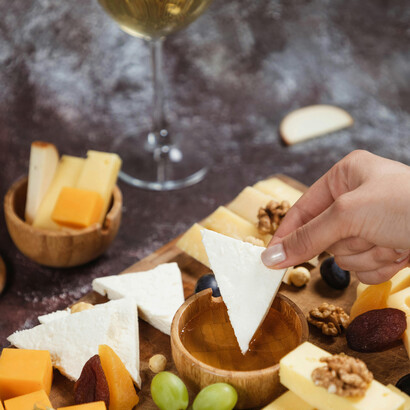
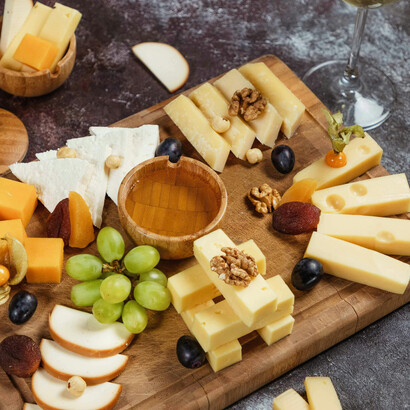
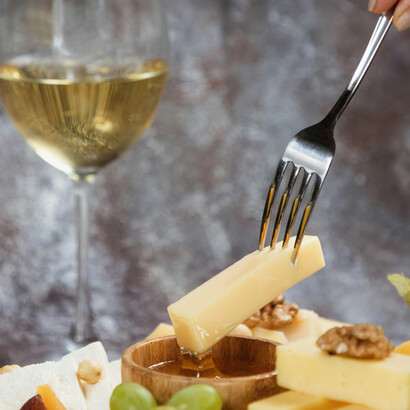
To fully appreciate the nuances of these remarkable wines, serve them chilled at a temperature of 10-12°C (50-54°F). Their elegant sweetness and layered flavors harmonize beautifully with rich desserts, particularly traditional Hungarian Zserbó, where the nutty, chocolatey notes of the pastry complement the wine’s rich bouquet. Furthermore, these wines pair exquisitely with robust blue cheeses, their creaminess offsetting the wine's sweetness, or can be enjoyed as a decadent sip on their own, providing a luxurious experience that captivates the senses.
Here it is—the sweetest and most unique wine from my beautiful country, Hungary. Known for its rich viticultural heritage, Hungary produces some exceptional wines that often go unnoticed outside its borders.
Unfortunately, not many Hungarian wines are readily available in the UK, limiting the opportunity for wine enthusiasts to explore this hidden gem. However, I hope that my article piques your interest and encourages you to seek out these exquisite wines. Whether you’re a seasoned connoisseur or a curious novice, I invite you to discover the richness of Hungarian winemaking traditions.