English
 Español
 Français
 Deutsch
 Italiano
 Português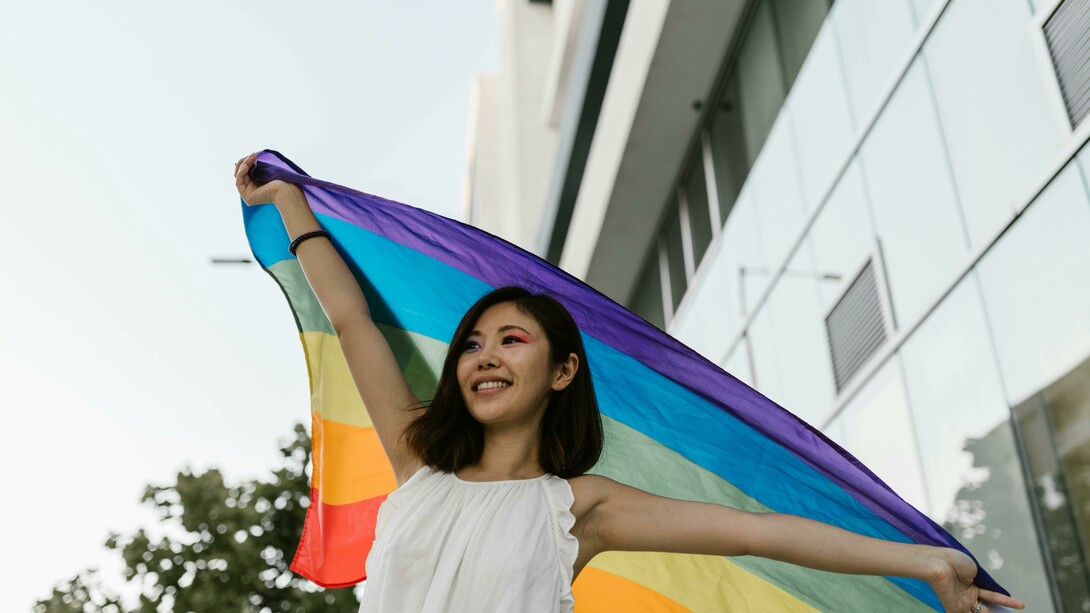
When you leave home for freedom, what happens when you realize you brought the prison with you?
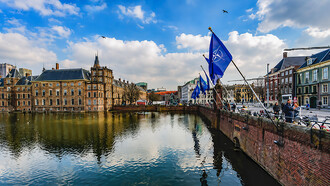
The Netherlands holds a unique place in history: it was the first country in the world to legalize same-sex marriage in 2001. As an LGBTQIA+ Filipino, I arrived here, like many others, expecting that our fight for validation would be finally over.
But here is the strange, painful truth I've observed: even in this liberal haven, the true struggle is often with our own community.
I’ve watched the social atmosphere among Filipino kababayan remain stubbornly conservative. The culture we brought from home, where tolerance is often only skin-deep, has created a cultural wall here in the Netherlands, blocking genuine acceptance.
This is the LGBTQIA+ Paradox: we have full legal rights outside our community, yet we face profound social judgment within it. As someone navigating the very tensions and painful gaps in understanding that I describe. Why does the liberal embrace of the Netherlands fail to penetrate the Filipino mindset?
To understand this tension, we have to look at the two countries side by side.
The Netherlands operates on secular law and individual freedom. Your rights are robustly protected across the board, from housing to marriage. Your existence is legally validated.
The Philippines, however, is known for its high social visibility of LGBTQIA+ people, especially in entertainment. But let’s be honest: on paper, we have almost no national legal rights. There is no marriage equality, and the comprehensive Anti-SOGIE Discrimination Bill has been stalled for years.
This leads to a confusing social dynamic: they are "tolerated, but not accepted." We are allowed to exist and even entertain, but only as long as we don't challenge the core conservative definitions of family and marriage. This surface-level acceptance is the attitude that has migrated to the Netherlands.
Ask yourself: Is visibility the same as equality?
The bathroom as the battleground
The gap between tolerance and acceptance in the Philippines is never more visible than at a public restroom.
In schools, offices, coffee shops, and everywhere, the controversial issue of transgender women using women's bathrooms is a source of constant hostility. Transgender women face side-eyes, obvious gossip, and outright verbal attacks: "You should not be here." There is a perceived threat to the "security of biological women's femininity." But the men's room is equally unsafe, often the site of emotional, mental, and physical abuse.
Isn't it strange how tolerance ends at the restroom door?
This daily dilemma forces painful choices. One transgender woman shared the extent of this self-imposed isolation: “I would rather control my need to use the restroom and wait till I’m back home instead of trying to enter a women's restroom to avoid these experiences of raised brows and side eyes and making them feel uncomfortable.”
For others, the fear is profound and existential. Another transgender woman confessed, “It scares me to use a public restroom because I have to make a decision whether I go to the women's or men's bathroom. I don't have time and enough confidence to face them... it's an awful feeling that sometimes I feel that I should not exist.”
Yet, there is also defiance. A young transgender girl offered a different perspective on confrontation: “I don't really care what they say; if they try to stop me, I’m prepared for my speech and tell them my rights as a human... and just make them speechless.”
The situation for lesbians highlights the community's own confusing rules: a lesbian using the women’s bathroom is generally okay "because she is still a woman." If a masculine lesbian uses the men’s bathroom, some may even celebrate the "embracing of masculinity," though this too can lead to bullying and fear of physical violence.
A lesbian woman explained her confusion about bathroom use, stating, "I'm also confused, but honestly, I just take the women's bathroom because I know I won't experience sexual abuse or any form of discrimination."
Another lesbian woman in the Philippines, who is considered a cross-dresser, recounted an experience using the men's room: "Once I tried to use the men's restroom, and I saw some guys look weirdly at me, and some even laughed a bit, but in the end, they even gave me a friendly tap on my back to, I don't know, maybe congratulate or say it's okay…"
The tolerance shown here clearly breaks down the moment a person challenges the rigid boundary of their assigned sex, making life exceptionally difficult for transgender individuals.
This desperation leads to a tragic choice: many transgender people and other LGBTQIA+ individuals choose to use the Person with Disability (PWD) toilet, often hearing they’re "not normal." In contrast, most public spaces in the Netherlands, including offices and schools, are quickly moving toward all-gender toilets, thereby eliminating this daily source of stress and danger. This stark contrast perfectly captures the legal safety we gain here versus the cultural hostility we leave behind.
The hypocrisy I hear from Kababayan
Among our Filipino peers here, the judgment is pervasive and affects every identity, confirming that the cultural wall is alive and well.
A gay man working in tech shared a classic example of this judgment: “Sometimes, I have to hide my partner's identity or age because I don't want them to judge me in a way that they ask too many questions without being respectful and open-minded.”
The pressure to conform is real, even for those who expect better. As one lesbian nurse admitted, “Sometimes yes and sometimes no; it's hard to tell sometimes, but I expected that Filipinos who live here are more liberal and open-minded than Filipinos back home.”
The lack of education creates a barrier even among the highly visible. Queer and bisexual individuals often feel erased: “They often say, ‘We don't get it, it’s the same, you are also gay, right?’ People say this to me as if my identity and sexual preference are from another planet.” Stereotypes abound, fueled by appearance and cultural markers: people assume someone is queer simply because they wear vibrant colors or enjoy drag shows.
This confusion culminates in the experience of trans women facing subtle, complex dismissal. As one queer art student noted, “A lot of Filipino titas (aunties) are very religious but at the same time open-minded. It is confusing whether they really accept and understand me for who I am, or if they are just trying to fit into the trend here in the Netherlands, and when they are themselves at home, they just talk differently about me.”
This observation perfectly sums up the heart of the paradox.
Religion
The biggest reason this hypocrisy persists is undoubtedly the Catholic Church. This rigid morality, rooted in Spanish colonization, is what we carry in our hearts. The Netherlands may have decoupled its state from the church, but we, as Filipinos, have essentially transplanted the cultural walls of Catholicism to our new home.
The paradox boils down to this: In the Philippines, Catholicism acts as a structural block to legal rights. In the Netherlands, it acts as a cultural block to full social acceptance within the diaspora.
Moving forward
The journey to true communal acceptance begins with self-driven education. The most powerful move we can make is to educate ourselves even deeper, not just hanging out with gay people but understanding where they are coming from emotionally, physically, and mentally. This thoughtful approach is what the LGBTQIA+ community truly appreciates.
For those navigating these barriers daily, the defense is often internal. As one person noted, their strategy involves self-preservation: “Sometimes, I just ignore them, and I don't take them personally, self-meditating and healing by saying, ‘They're just another person who just passed and will never stay.’” When the chance arises, they try to educate subtly.
While support structures need to grow, they are actively being built. Groups like Filipino LGBT Netherlands serve as a crucial networking and support group, welcoming all in the gender spectrum to facilitate connection and share experiences. Advocacy is also strong; TransAmsterdam is an organization focused on art, culture, and lifestyle, with the goal of increasing the visibility and improving the image of transgender and non-binary people. Furthermore, COC Netherlands (the national association for LGBTQIA+ people) has specific sections and programs dedicated to migrant, refugee, and POC communities, addressing the unique challenges faced by non-Western queer individuals.
I am learning so much from these experiences, and I want more Filipinos to be interested in and educated about topics related to sexuality, identity, and gender, especially those living here in the Netherlands.
I couldn't agree more that many of us move abroad not just for gender protection but for a better quality of life and a deeper emotional purpose. We feel more accepted and valued here in the Netherlands than we ever did in our own home country. That is a painful concession.
Ultimately, the LGBTQIA+ Paradox remains: we found legal freedom in a new land, yet struggle daily against the cultural prison we carried with us. The legal embrace is complete; isn't it time for the Filipino community in Europe to finally tear down its cultural wall and match the acceptance of the country we now call home?