English
 Español
 Français
 Deutsch
 Italiano
 Português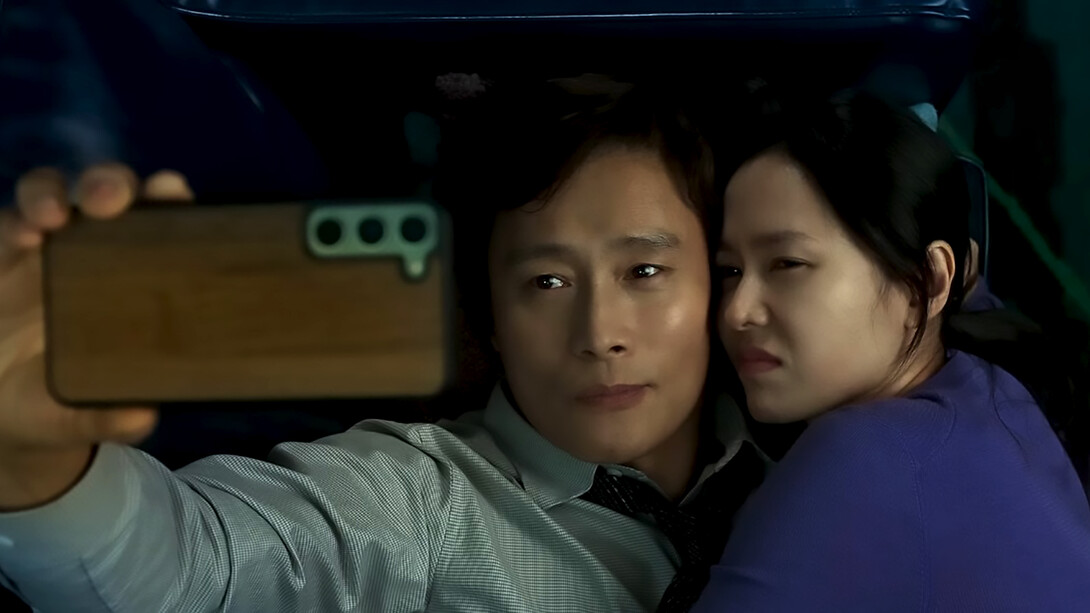
Secret Mall Apartment
Secret Mall Apartment is one of the most fascinating and unexpectedly moving documentaries of 2025. Centered on a group of eight Rhode Island artists who, in 2003, secretly constructed a fully furnished apartment inside the massive Providence Place Mall and lived there undetected for four years, the film is both a stranger-than-fiction tale and a sharp critique of the world we live in.
Yes, the premise is wild, but Workman isn’t just chasing spectacle. What emerges is a deeply thoughtful exploration of resistance against gentrification, surveillance, and the creeping commodification of every square inch of urban life. The artists’ motivations were complex: part prank, part protest, part performance art. And as the documentary shows, they weren’t just hiding from mall security; they were making a statement about who gets to occupy space and what “public” really means in a society shaped by corporate architecture.
Workman weaves archival footage, interviews, and present-day reflections into a lean, engaging story. The documentary is funny, subversive, and genuinely interesting. It’s about malls, yes, but also about how capitalism swallows creativity and how a few bold people pushed back, even if just behind a fake wall. Secret Mall Apartment is a must-watch.
Friendship
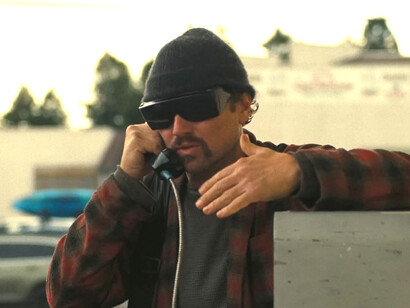
Friendship is the kind of movie that makes you laugh, cringe, and wonder if you should maybe take a quick walk outside to reset your brain, but in a strangely wonderful way. The setup is simple enough: suburban dad Craig becomes obsessed with making friends with his magnetic new neighbor. But because this is Tim Robinson territory, that “simple” premise spirals into an unhinged chain reaction that threatens to blow up both of their lives.
The film embraces awkwardness with absolute commitment. It isn’t trying to be realistic; it’s trying to be Robinson-level absurd, and it nails that anxious fever-dream energy from the first scene. One minute you’re watching a painfully sincere attempt at bonding, and the next you’re in what feels like a meltdown unfolding in slow motion. And yet, somehow, it’s all surprisingly heartfelt.
What makes it work is the wild mix of genres. It bends from comedy into drama, dips into fantasy, brushes up against thriller territory, and then collapses into tragedy, sometimes all within the span of a single scene. Robinson and Paul Rudd have a bizarrely perfect dynamic, playing off each other with this off-kilter rhythm that keeps you guessing where the hell any scene is going.
It’s fun, wacky, unique, and absolutely unexpected. Definitely not for everyone, but I loved every minute of it.
Wake Up Dead Man: A Knives Out Mystery
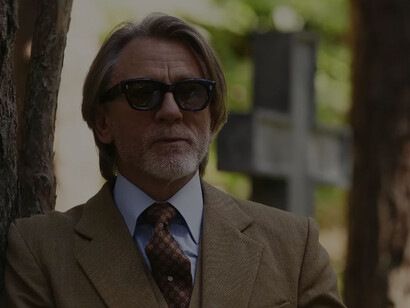
Rian Johnson did it again. This is the third and final installment of his beloved whodunit series, Wake Up Dead Man. While Daniel Craig’s drawling detective Benoit Blanc remains the brilliant constant, Johnson refuses to simply repeat himself.
Blanc is called to a remote, opulent estate after the mysterious death of a charismatic priest, a role Josh Brolin embodies very well. The prime suspect? A former boxer turned priest (Josh O'Connor) wrestling with a violent past and a crisis of faith. Johnson uses this setup to weave a razor-sharp commentary on the dangerous intersection of religion, politics, and personality cults, with dialogue that crackles with wit and thematic depth. The guessing game is exhilarating, pushing viewers to question every motive and alibi.
Yet, Craig is an absolute joy, reminding us why Blanc has become a modern icon. Wake Up Dead Man proves Johnson is more interested in exploring new ideas than serving a franchise formula, resulting in a challenging, ambitious, and deeply satisfying conclusion to a perfect trilogy.
Chainsaw Man – The Movie: Reze Arc
If you’ve never dipped your toes into Tatsuki Fujimoto’s beautifully twisted universe, this movie throws you straight into the deep end, in the best possible way. Chainsaw Man – The Movie: The Reze Arc drops you into a chaotic war between devils, hunters, and enemies lurking in the shadows. At the center of all that carnage is Reze, the mysterious new presence who crashes into Denji’s life and pulls him into what might be his most devastating battle yet. And, of course, it’s all tangled up in that messy, reckless thing we call love.
What really surprised me is how sweet and disarming the first half is. Denji and Reze have this genuinely adorable chemistry that feels like a rare moment of peace in a world built to chew people up. But don’t get comfortable, because the second half absolutely detonates. It’s a full-throttle sprint of brutal fights, wild transformations, and some of the most jaw-dropping animation I’ve ever seen in 2D. MAPPA went feral with the visuals, and it shows.
But beneath the gore and spectacle, the emotional punches land just as hard. The movie swings between tenderness and devastation with a kind of elegance you wouldn’t expect from something called Chainsaw Man.
In the end, it’s really a tragic love story wearing the skin of an action movie, and it hits every note it aims for.
One Battle After Another
Every once in a while, Paul Thomas Anderson releases something that reminds you why he’s one of the most fearless storytellers working today. One Battle After Another hits that nerve perfectly. The premise is already electric: their long-dormant nemesis crawls back into the spotlight after sixteen years, forcing a scattered band of ex-revolutionaries to reunite and save one of their own kidnapped daughters. It sounds pulpy, but in Anderson’s hands, it becomes something sharper, smarter, and far more layered.
What I really liked about it is how alive the script feels. Every character pops, every exchange crackles, and the whole film plays like a slightly warped mirror of our own world, recognizable but just off enough to make you twitch. Anderson blends political satire, social commentary, and full-blown action with this almost annoying ease. And yes, the man still knows how to pace a movie. It’s long, but it never drags. The action itself? Cleverly shot, kinetic, and genuinely memorable. And the trio of Sean Penn, Leonardo DiCaprio, and Benicio Del Toro is just ridiculously good, witty, wild, and perfectly in sync. I walked out fully entertained.
Weapons
Look, every year there’s that one horror film that crawls under your skin in the best way possible. Weapons is the movie for 2025. The hook is irresistible: an entire class of kids vanishes on the same night at the same time, except for one. Instantly, you’re pulled into a community that’s spiraling, pointing fingers, and trying to understand what kind of nightmare they’ve stepped into.
Zach Cregger has quickly become one of those directors you keep an eye on, because you never know what rabbit hole he’s going to drag you through. Barbarian was already such a wild, confident debut that I honestly went into Weapons expecting him to stumble. Instead, he doubled down and delivered something that absolutely lived up to the hype for me.
The acting lands perfectly, and the whole movie just looks sharp and stylish without trying too hard. Cregger’s great at that tightrope walk where you’re laughing one moment and bracing yourself the next. The atmosphere is wonderfully eerie, the storytelling keeps twisting, and every time you think you’ve figured it out, the film cheerfully proves you wrong.
It’s weird, but in the “hell yes, give me more of this” kind of way. I was hooked the whole time.
Sinners
Sinners is the kind of film that reminds you why original cinema still matters. Ryan Coogler goes bold here, blending genres, bending expectations, and dropping us straight into the Jim Crow South with a story that hits like a blues riff and stings like a memory you’d rather forget. At its heart, the movie is about the fight for freedom: the freedom to gather, to create, to celebrate, and to simply exist without fear. The juke joint, this dream project meant to carve out a sanctuary for the African American community, stands in sharp contrast to the more guarded confines of the church. Both spaces matter, but only one dares to be loud about joy. Coogler threads this through the historical limitations placed on Black success, from everyday restrictions to wounds as deep as Tulsa.
What surprised me most was the film’s bold dive into the intersection of Irish and African American experiences braided together through music, trauma, and survival. Jack O’Connell’s character carries generational pain like a second skin, trying to reach someone else through shared cultural ghosts. And then there are the vampires, yes, vampires whose love of music ties back to their ancestral lineage. Their joy is eerie, almost hollow, raising a sharp question: can beauty exist without pain? Coogler argues no, and I agree.
The sound design is rich and textured, mixing environmental sound, music, and silence in a way that deepens every scene. I’ll admit, some of the vampire connections left me scratching my head, but that only makes me want to revisit the film. And absolutely stay for the mid-credits scene; it’s essential, not a throwaway Marvel-style tease.
Sinners is daring, soulful, and unforgettable. A stunning example of original filmmaking that lingers long after the lights come up.
Bugonia
Bugonia is a strange, unsettling, and completely hypnotic film. Yorgos Lanthimos dives headfirst into conspiracy, class divide, and all the messy flaws baked into humanity, but he does it with that crafty touch only he can pull off. The story follows a conspiracy-obsessed man and his cousin who kidnap a powerful CEO because they’re convinced she’s an alien responsible for humanity’s downfall. It sounds wild, and it is, but the film plays every beat with unnerving seriousness. No punchlines. No glamour. Just a raw descent into the mind of someone who truly believes the world is rigged against them.
Jesse Plemons and Emma Stone are phenomenal here. Plemons nails the edgy paranoia of a man who can’t separate chaos from cosmic threat, while Stone’s performance is a masterclass in restraint; watching the psychological chess match between them is honestly the film’s biggest thrill. Lanthimos uses close-ups like weapons, turning every twitch, hesitation, and half-truth into its own tiny drama. The editing brilliantly contrasts their worlds, and the production design gives each character an environment that speaks louder than dialogue. Add in a loud orchestral score that shifts from delicate to thunderous, and the whole thing becomes oddly poetic.
Begonia is clearly based on the Korean cult classic Save the Green Planet, but it builds its own identity, stranger, sharper, and more haunting. I loved this film, even if its bleak view of humanity won’t land the same way for everyone.
SIRÂT
SIRÂT hit me like a truck I never saw coming. On the surface, it’s the story of a father and son wandering into a rave deep in the mountains of Morocco, desperately searching for Marina, the daughter and sister who vanished months earlier at another party. But what unfolds is so much darker, stranger, and more emotionally brutal than anything I expected.
The film drags you into a descent that feels both mythic and painfully real, fueled by a sense of dread that tightens scene by scene. Sergi López is phenomenal here—raw, haunted, and unforgettable. And the way the movie uses EDM isn’t just stylistic; it becomes part of the storytelling, a pulsing, disorienting force that traps you in the nightmare with them.
Trying to explain SIRÂT almost diminishes it. This is pure, visceral cinema—shocking, relentless, and impossible to shake. My advice: go in blind.
No Other Choice
Park Chan-wook’s No Other Choice is a haunting and cerebral portrait of capitalism’s quiet brutality. Known for Oldboy and The Handmaiden, Park trades stylistic excess for measured precision, crafting a story that lingers long after its final frame. The film follows a laid-off man whose desperation leads him down a morally corrosive path, murdering rivals to secure his family’s survival. Park’s direction captures both the absurdity and tragedy of this descent, using symbolism and careful pacing to expose how shame and economic anxiety shape modern masculinity.
Despite moments of emotional distance, No Other Choice redeems itself with a staggering conclusion and an elegiac reflection on automation, self-worth, and the illusion of control. The tension, built through subtle performances and layered dialogue, crescendos into a finale that feels both inevitable and devastating. Park has delivered one of his most mature works yet, an unsettling, Oscar-worthy meditation on what survival truly costs.