English
 Español
 Français
 Deutsch
 Italiano
 Português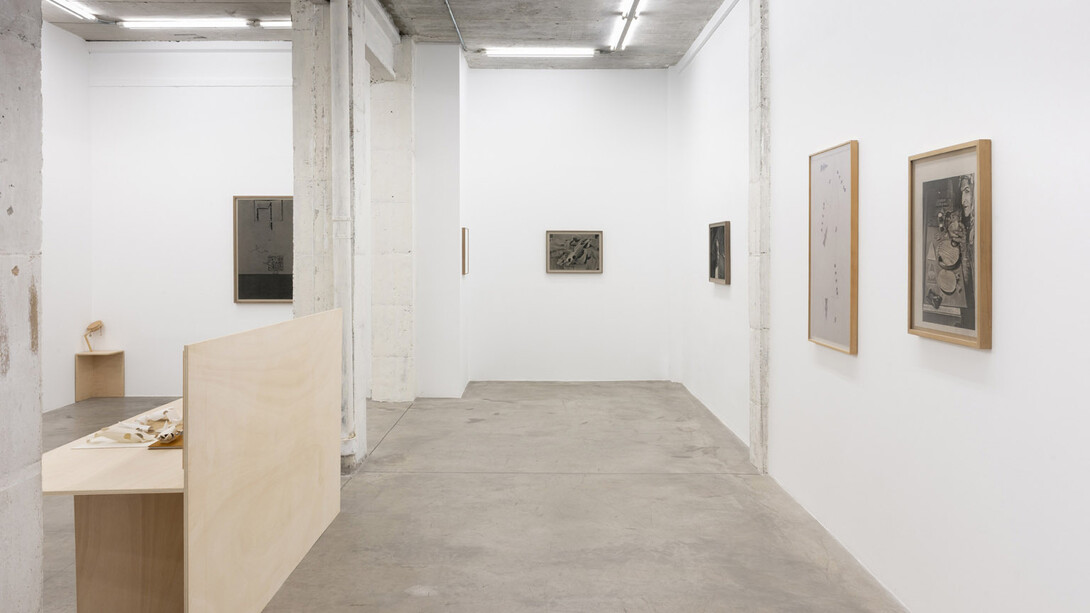
At times, the idea of the form arrests time and almost life itself.
It manifests itself as the inescapable fate of both images and things. Like Calderón de la Barca’s monster of fortune, who wandered about “without light or warning”: without light, for it—the form—must exist independently of circumstances; without warning, for a stable principle needs no announcement or pretence of discretion.
In a way, it assaults those images, those things, imposing a number and a measure on them. It forces them to split into parts, into sections, into fragments that are then contingent on the dynamics of possible combinations. It composes and recomposes them. It inserts some within others to create hybrids or chimeras. It shifts axes, folds planes and, in so doing, defines unknown solids and unprecedented geometries.
In a sense, it makes a mockery of them (“a game of celestial mockery,” as Bergamín called a certain painting, if not creation as a whole). It shows images and things just how imperfect or incomplete they are, how far they are from their ideal, made of exact parameters and precise gestures. Among all the materials of the real, it favours those most pointed and sharpened, closest to immobility, before the ruler and the set square: stone, bone, the dried fibres of paper, skin without its entrails, wood drained of its sap.
Everything that passes through the filter of form becomes language, if not code or even arcane sign.
And what about beings? At times, the assault strikes their innermost core. An incident of the form severs a body or sets a head in motion. After that event, animated by a new principle that can no longer be called life, even their most banal gestures can be read as if they were the movements of a studied choreography. Imbued with form, they (we) become parts of a puppet, moved by a law that derives, though only seemingly, from something beyond reason itself. At times, form does no more than cut the thread and lay bare the shell or husk: vanities, melancholies.
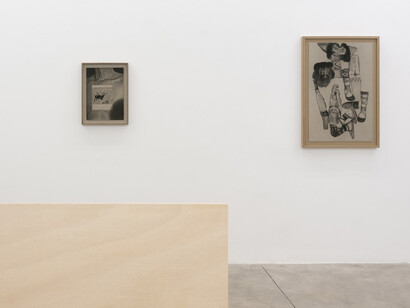
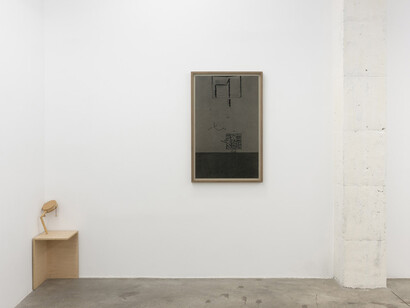
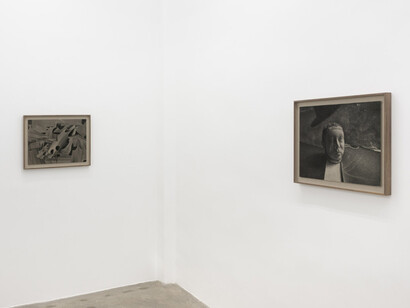
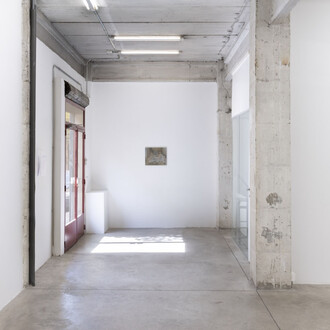
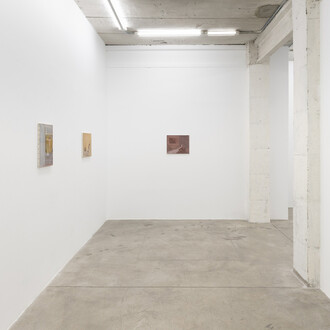
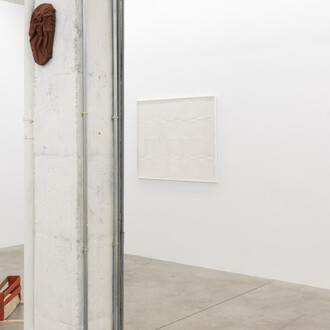
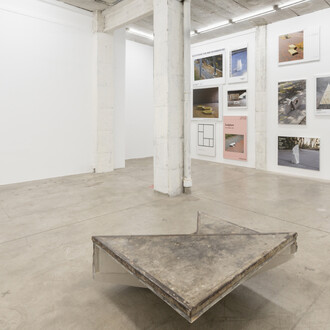
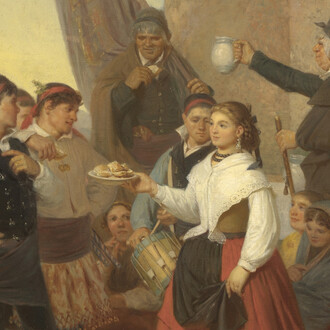
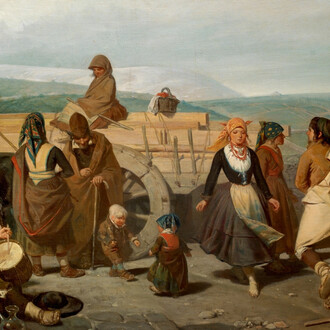
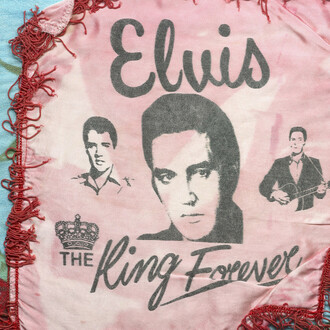
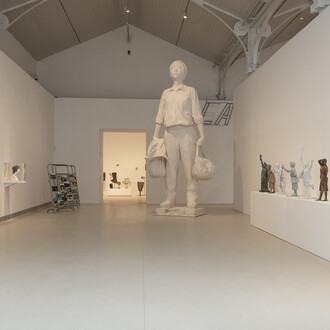
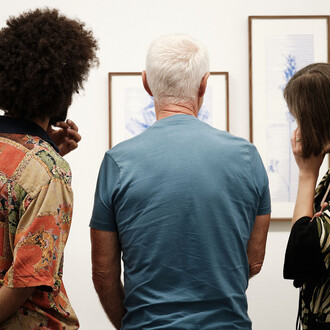
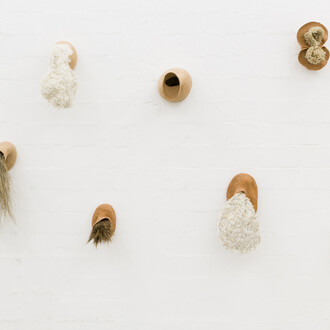
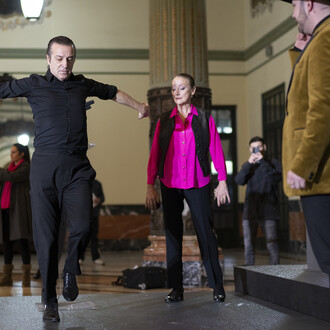
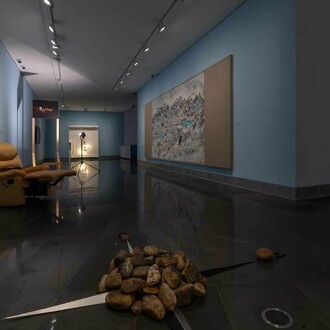
This exhibition includes drawings and sculptural works. The artist has endeavoured to show certain episodes—at times evident, at others uncertain—scattered across time and place, of the above-mentioned assaults of form. The sculpture presents specific instances of a regime that inadvertently subjugates things. The drawing aspires to reconstruct signs and images subjected to those same constraints. In both cases, the joint action of construction and representation turns the face into a mask and the eye into a discerning mirror; it opens and flattens the faces of a pyramid; it suspends gravity to enable dance and it dismembers a body in order to better name and measure space. As Brecht’s Mr. Keutner once said, “with some artists, in striving for form, they lose the substance”. Perhaps, here, form possesses its own slight, dark and insidious substance, like a fine coat of coal dust falling faintly over things without light or warning.