English
 Español
 Français
 Deutsch
 Italiano
 Português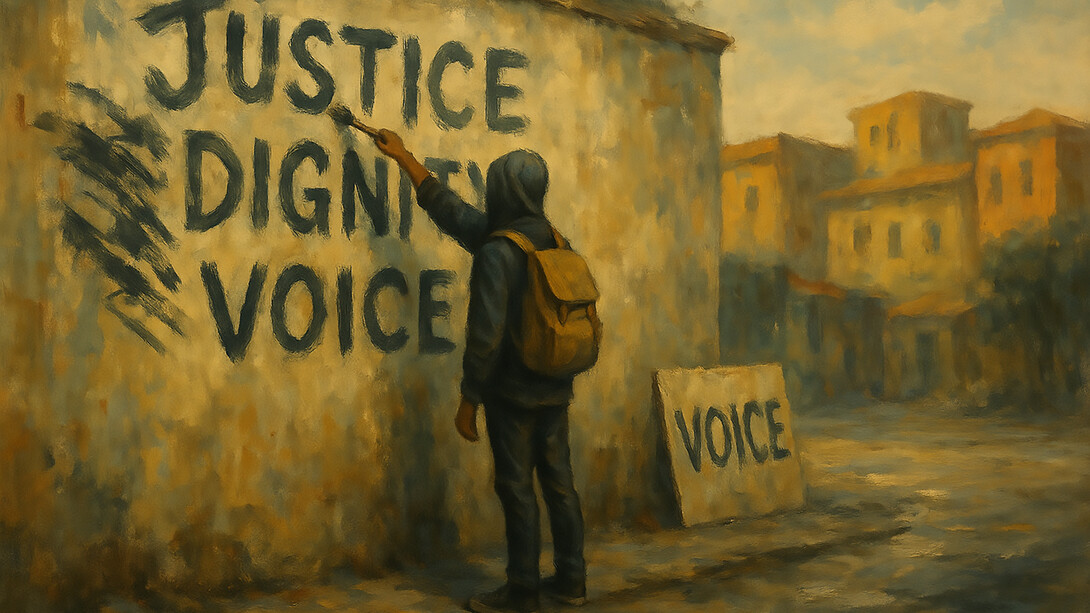
They may not always take to the streets, but their impact reverberates across nations. From Colombo to Lagos, from Manila to Nairobi, a quiet revolution is reshaping the political landscape of the Global South—led by a generation of young people who refuse to accept the failures of their leaders as inevitable. This is not always a revolution of slogans and barricades. Sometimes it begins with a tweet, a protest song, or a collective refusal to stay silent.
The youth of the Global South are rewriting the story of democracy—one that is less about institutions and elections and more about justice, dignity, and voice.
A generation born into crisis
For much of the Global South, today’s youth came of age amid overlapping crises—economic instability, political corruption, environmental degradation, and the unfulfilled promises of globalization. Many have lived through states of emergency, internet blackouts, or recurring political upheavals. Yet, far from producing apathy, these conditions have fuelled a form of creative dissent.
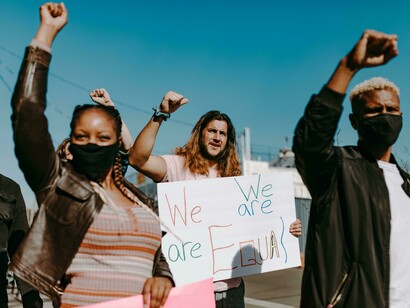
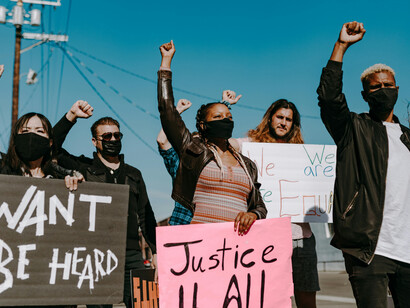
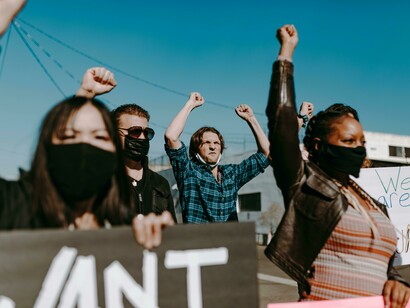
Young people are no longer waiting for permission to participate in public life. They are using whatever tools they have—digital platforms, music, art, or community networks—to challenge systems of inequality and demand accountability. Whether through climate activism in the Philippines, feminist movements in Latin America, or anti-corruption campaigns in Africa, the message is consistent: enough is enough.
The digital battleground
If previous generations fought for democracy in the streets, this generation is fighting for it online. The smartphone has become a political weapon—capable of documenting abuse, mobilizing protests, and amplifying marginalized voices. Hashtags such as #EndSARS, #ArabSpring, #MeTooIndia, and #SaveNabibya have not only exposed injustice but also connected young people across borders.
Yet, this digital activism exists in a fragile space. Governments in many parts of the Global South have become adept at surveillance, censorship, and disinformation. Internet shutdowns, cyber harassment, and “fake news” laws are used to silence dissent under the guise of national security. The result is a new form of struggle—one fought with algorithms as much as with ideals.
Still, the power of the online generation lies in its persistence. Even when censored, young activists find new platforms, new languages, and new ways to resist. Silence, it seems, is no longer an option.
Democracy beyond the ballot box
For many young citizens, democracy has lost its shine. Elections—often marred by corruption or manipulation—no longer guarantee change. Disillusionment with formal politics has given rise to informal activism, grassroots movements, and issue-based coalitions.
This doesn’t mean that young people have abandoned democracy; rather, they are redefining it. To them, democracy is not merely a ritual of voting every few years—it’s a daily practice of holding power to account, demanding transparency, and reimagining citizenship itself.
In Sri Lanka, for example, the 2022 Aragalaya protests began as a spontaneous response to economic mismanagement but evolved into a broader call for systemic reform. In Nigeria, the #EndSARS movement transformed outrage over police brutality into a national reckoning on governance and youth empowerment. Across Latin America, student movements have challenged inequality and inspired constitutional reforms. These movements may ebb and flow, but they have permanently altered political consciousness.
Culture as resistance
Not all dissent is loud or explicitly political. Sometimes, resistance takes the form of art, fashion, or music—subtle but powerful tools for reimagining identity and power. From the politically charged hip-hop of Senegal to the protest poetry of Chile and the satirical memes of South Asia, cultural expression has become the language of rebellion.
Such creativity allows youth to bypass traditional power structures and reach audiences that formal politics cannot. It also humanizes dissent, transforming frustration into solidarity. In this sense, the “quiet revolution” is not defined by confrontation alone, but by the creation of new spaces for dialogue, belonging, and imagination.
The challenge of sustainability
Still, youth-led movements face enormous challenges. Without institutional support or long-term funding, many fade once the initial momentum dissipates. Repression can be brutal, and burnout is common. Moreover, digital activism, while powerful, can sometimes fragment movements or confine them to the virtual sphere.
The question, then, is how to transform moments of resistance into lasting political reform. Some countries have begun to see young activists enter formal politics, forming new parties or running for office. Others have channelled their energy into community projects, social enterprises, or education reform. The shape of change may differ, but the impulse is the same: to claim a voice in shaping the future.
A global conversation
The quiet revolution of the Global South is not isolated; it resonates globally. As democracies everywhere confront disinformation, populism, and inequality, the struggles of young people in Colombo or Nairobi mirror those in Paris or New York. The difference is that youth in the Global South are fighting with fewer resources and higher stakes—but often with greater imagination and courage.
Their actions challenge the outdated narrative that democracy “flows” from the West to the rest. Instead, it suggests the opposite: that the future of democracy may depend on the creativity, resilience, and solidarity emerging from the Global South.
Conclusion: the sound of change
Revolutions are often imagined as explosions—sudden, loud, and decisive. But the revolutions of today may sound different. They hum in the background, in classrooms and community centers, in street art and social media posts. They are quiet only in form, not in impact.
Across the Global South, young people are redefining what it means to participate, to dissent, and to dream. They may not yet have rewritten the rules of politics, but they are reshaping its language. And in that quiet, persistent act of reimagining democracy, they are making history—one voice, one click, one protest at a time.