English
 Español
 Français
 Deutsch
 Italiano
 Português
In the modern world, stress has become almost universal. Whether it arises from demanding work, personal struggles, or the relentless pace of daily life, stress impacts not only the body but also the deeper layers of mind and energy. Over the years, working as an Ayurveda doctor, yoga trainer, and healer, I have seen that lasting relief comes when we address both dimensions together the physical body and the subtle energy system.
For me, the most powerful approach has been the integration of Ayurveda therapies such as Shirodhara and Abhyanga with chakra balancing and meditation. When these systems work together, they create profound harmony, helping individuals move from restlessness and anxiety into balance, clarity, and peace.
Chakras: energy centers of balance
Chakras are described in yogic traditions as energy centers along the spine. Each chakra governs specific aspects of physical, emotional, and spiritual life. When these centers are balanced, energy (prana) flows freely, supporting vitality and mental calm. When blocked, stress, tension, and emotional disturbance appear.
Through meditation and energy practices, I have long worked with chakras. But it was when I began to combine chakra balancing with Ayurvedic therapies that I noticed the deepest results. Guests who came burdened with sleeplessness, fatigue, or anxiety not only found relief but also experienced transformation at an inner level.
Ayurveda: the science of harmony
Ayurveda views health as the balance of the three doshas: Vata, Pitta, and Kapha. Stress disturbs these doshas in distinct ways:
Vata imbalance creates anxiety, insomnia, and restlessness.
Pitta imbalance shows up as anger, frustration, and irritability.
Kapha imbalance manifests as heaviness, lethargy, and low motivation.
Ayurvedic therapies help restore this balance in profound ways:
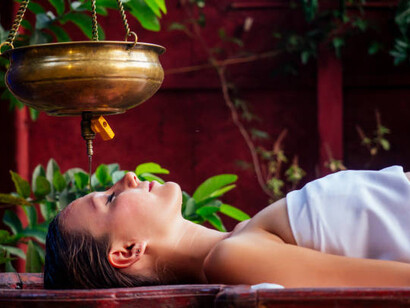
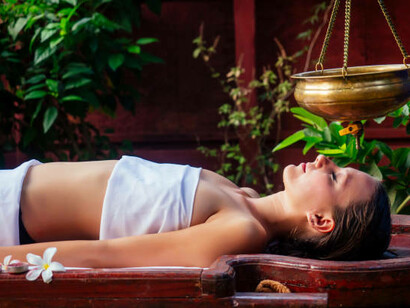
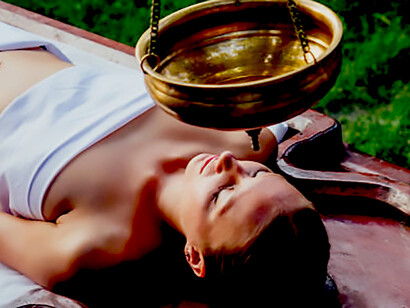
Shirodhara: a gentle stream of oil poured over the forehead, soothing the nervous system and stilling a restless mind.
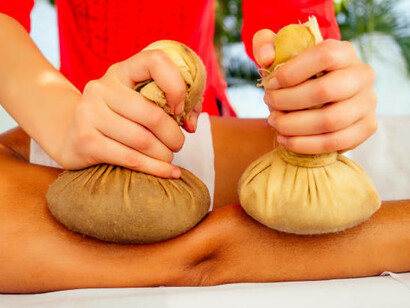
Abhyanga: a synchronized oil massage, grounding and nourishing the body, excellent for fatigue and emotional depletion.
Swedana: herbal steam therapy that releases toxins, stiffness, and suppressed emotions.
Nasya: nasal therapy to clear and uplift the head region, relieving mental heaviness.
While these therapies nurture the physical and mental layers, chakra meditation complements them by balancing the subtle energy body.
My experience of integration
Many individuals who seek Ayurveda come primarily with stress-related issues sleeplessness, anxiety, overthinking, or lack of emotional clarity. I usually begin with yoga and chakra meditation, guiding them through breath awareness and visualization of the energy centers. Once their mind becomes calmer and receptive, we proceed to Ayurveda therapies like Shirodhara or Abhyanga.
I have seen that when awareness of chakras is combined with treatments, the effect multiplies. During Shirodhara, if the guest meditates on the Ajna Chakra (third eye), they often experience deep insight or a silent inner space. Similarly, during Abhyanga, focusing on the Anahata Chakra (heart center) allows emotional release, helping them feel lighter and more open.
This integration creates a synergy where body, mind, and energy realign together, producing not just relaxation but transformation.
A chakra journey through ayurveda
Muladhara (Root Chakra): associated with grounding and stability. Stress often disconnects people from this sense of security. Foot massage, warm oil Abhyanga, and grounding yoga poses help restore balance here.
Svadhisthana (Sacral Chakra): connected to emotions, relationships, and creativity. Suppressed feelings often block this center. Abhyanga with flowing strokes and meditation on the pelvic region encourage release and openness. Oils with jasmine or sandalwood are especially effective.
Manipura (Solar Plexus Chakra): seat of digestion and inner strength. Overwork and stress often create tension here, especially in Pitta types. Udvarthana (herbal powder massage) and gentle cooling herbs calm this chakra, while meditation at the navel restores willpower without aggression.
Anahata (Heart Chakra): the center of compassion and love. Stress, grief, or isolation often close this chakra. Meditation on the heart, combined with Abhyanga or Shirodhara using rose or lotus oils, brings emotional healing. Guests often describe a sense of lightness or tears of release.
Vishuddha (Throat Chakra): the chakra of expression. Stress can suppress one’s ability to communicate openly. Gargling (Kavala) with medicated oils and chanting or mantra meditation help clear blockages here.
Ajna (Third Eye Chakra): the center of intuition and inner vision. Shirodhara is the most effective therapy for activating this chakra. When combined with silent meditation, it opens a space of clarity and deep rest.
Sahasrara (Crown Chakra): located at the crown of the head, it represents connection with universal consciousness. Head massages with cooling oils like Brahmi, combined with meditation, prepare one for states of inner expansion and peace.
Stories of stress relief
Over the years, I have seen many transformations through this integrated approach. One guest came with severe anxiety and chronic insomnia. After a week of chakra meditation, Shirodhara, and Abhyanga, she not only slept peacefully but also felt joy returning to her life. Another guest burdened with grief found that heart chakra meditation combined with warm oil therapies brought emotional release and a renewed sense of hope.
These experiences reaffirm that true healing goes beyond treating symptoms it means addressing the body, mind, and energy as one.
Meditation: the inner healing
Ayurveda provides the outer tools oils, herbs, and detoxification while meditation provides the inner healing. Together, they don’t just reduce stress but transform it into awareness and self-understanding.
Guests often tell me that after these combined sessions, they feel not only physically relaxed but also inwardly lighter, more centered, and better connected to themselves.
Conclusion: a complete path to balance
From my own journey, I can say with certainty that Ayurveda and chakra meditation are not two separate systems but complementary paths to healing. While Ayurveda calms and restores the body, chakra meditation clears and balances the subtle energy. Together, they address modern stress in a holistic and lasting way.
When stress is approached from both the physical and energetic dimensions, healing becomes more than relaxation it becomes a journey back to wholeness, balance, and harmony with life.