English
 Español
 Français
 Deutsch
 Italiano
 Português
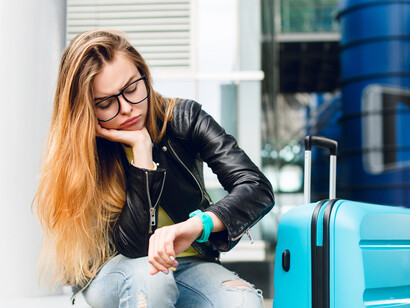
Have you ever returned from a trip feeling unexpectedly drained, low, or just… off? You might have thought, “I should feel refreshed and happy, right?” Yet instead, you feel tired, irritable, or even a little depressed. If this sounds familiar, you’re not alone. Many people experience this phenomenon, often called post-travel blues. But why does it happen, and what can you do to feel like yourself again?
Many of us live in a constant state of pressure and overstimulation. Social media highlights other people’s perfect lives, our phones never stop buzzing, and daily responsibilities keep piling up. As a result, the modern person often finds themself stuck in cycles of stress, anxiety, and even a subtle addiction to low moods. Why? Because the brain adapts to whatever it experiences often. If we spend a lot of time worrying, scrolling, or comparing, our minds start to normalize that state. It becomes harder to feel at peace when things slow down.
This is one reason post-travel depression hits harder now than it might have decades ago. When we travel, we escape from our routine, disconnect from constant pressures, and live in the moment. But when we come back, the contrast between that freedom and our everyday overstimulated lives feels even sharper, making the post-travel slump more noticeable.
Travel is exciting, adventurous, and sometimes even life-changing. But it also disrupts our routines, sleep, and even our mood. Feeling drained or low after a trip is a normal reaction to all the changes your body and mind have gone through.
Even relaxing trips can leave you exhausted. Flights, long drives, carrying luggage, and navigating airports or new cities—your body works hard. On top of that, irregular sleep schedules, new foods, and different climates can add to the fatigue. It’s no surprise that once you get home, your energy feels drained.
Traveling across time zones, or even just changing your daily routine, can disrupt your internal clock. Have you noticed struggling to sleep or waking up too early after a trip? That’s your body trying to recalibrate, which can leave you feeling irritable.
Trips are full of excitement, novelty, and a break from responsibilities. Returning home to your regular life can feel underwhelming. Have you ever felt like the “fun bubble” just popped when your vacation ended? That sense of contrast is normal; it’s a type of post-vacation letdown. Even leisure trips require mental energy. Airports, new cities, sightseeing, social interactions, and trying new foods all demand attention. Once you’re home, the sudden quiet can feel heavy, leaving you drained or restless.
Sometimes returning to familiar surroundings feels surprisingly strange. Have you noticed things that never bothered you before—traffic, routines, people—suddenly feeling more irritating? This mild form of reverse culture shock is common and can contribute to post-travel depression.
Some people are more prone to post-travel blues than others. Highly curious, sensitive, or extroverted individuals may notice the “return slump” more because their brains crave novelty. On the other hand, people who thrive on routine may feel the shift more sharply, even after relaxing trips.
Wondering how long such depression can last? For most people, these feelings are temporary, usually lasting a few days to a week. The key is to be gentle with yourself and take steps to restore your routine and energy levels. Here are some useful tips:
Rest and recover
Your body and mind need time to adjust. Prioritize sleep, stay hydrated, and avoid jumping straight into a packed schedule.
Reintroduce routine slowly
Simple routines, like regular meals, morning walks, or journaling, can help your brain feel grounded again. Have you tried planning a gentle “transition day” before going back to work or social commitments?
Reflect on your trip
Looking through photos, writing a journal entry, or sharing stories with friends can keep the positive memories alive and help process your experiences. What was the highlight of your trip? Focus on that.
Stay active and get sunlight
Exercise and fresh air naturally boost energy and mood. Even a short walk outside can help reset your internal clock, especially if you’re recovering from jet lag.
Plan small local adventures
You don’t need a plane ticket to feel excited. A local trip, trying a new café, or exploring a hobby can recreate the sense of novelty from your travels.
Eat mindfully
Travel can disrupt your diet, which impacts energy and mood. Returning to balanced meals with water, fruits, vegetables, and protein helps your body recover faster.
Connect with others
Social support matters. Talking with friends or family about your trip or simply spending quality time together can lift your mood.
You’re not alone
Post-travel depression is more common than people think. Many feel drained or low after returning from trips, whether long vacations or short getaways. Recognizing that it’s a normal, temporary reaction is the first step toward feeling like yourself again.
Feeling low after travel doesn’t mean something is wrong with you. It’s a sign that your body and mind need to transition back to daily life. By resting, reestablishing routines, staying active, and finding small ways to keep the sense of adventure alive, you can move past the slump more quickly.
So, the next time you come back from a trip feeling drained or blue, remember: it’s normal, temporary, and manageable. And perhaps it’s also a reminder of how much your experiences and memories truly mattered.