English
 Español
 Français
 Deutsch
 Italiano
 Português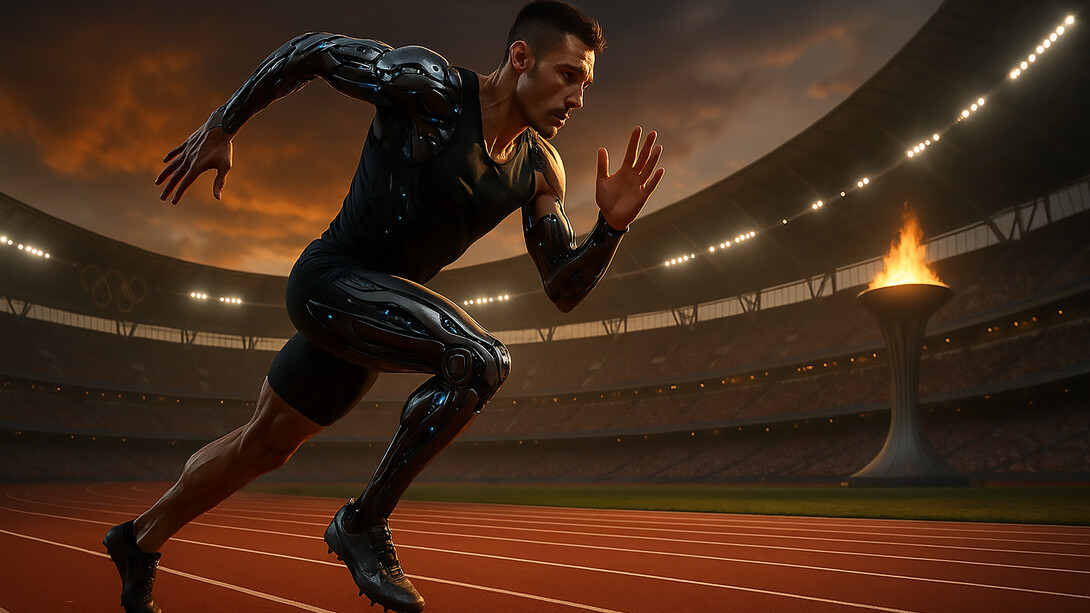
In a move that has sent shockwaves through the sporting world, the 2032 Brisbane Olympics is preparing to ditch its traditional playbook in favor of what organizers are calling the “Enhanced Olympics.” For the first time ever, athletes who’ve undergone gene editing or who use AI-driven performance aids will be welcome on the track and in the pool. Unsurprisingly, this seismic shift has divided opinion: purists are up in arms, while transhumanist camps are already popping champagne.
A slow-burning revolution
This wasn’t a spur-of-the-moment decision. Behind closed doors, researchers have been quietly exploring CRISPR gene therapies and brain-computer interfaces for years. When whispers of untraceable enhancements and a few explosive leaks reached the International Olympic Committee (IOC), they knew the cat was out of the bag. Rather than wage a losing battle against “inevitable” tech, the IOC assembled a high-powered task force—and ultimately chose to regulate, not prohibit, these breakthroughs.
The science at play
On the gene-editing front, CRISPR-Cas9 can tweak muscle fibers, boost oxygen uptake, and slash recovery times. Animal tests hinted at up to 15% stronger muscles and less lactic acid buildup. Meanwhile, AI-powered exoskeletons and neural stimulators provide split-second biomechanical feedback—adjusting your stride or enhancing hand-eye coordination in real time. Put together, these innovations promise to shatter what we once thought were our biological limits.
How the enhanced games will work
At a March 2028 press briefing, Brisbane’s organizing committee unveiled the nuts and bolts:
Performance Augmentation Registry: Athletes must log every tweak—genetic edits, exoskeleton models, neural firmware—in a centralized database overseen by the new Olympic Enhancement Authority (OEA).
Performance Factors: Each enhancement is assigned a multiplier (from 1.0 to 1.2 for gene edits, with separate classifications for mechanical aids) to level the playing field. Podiums will be awarded within these brackets, so you’ll see “Class A” gene-edited 100 m dash medals, “Class B” neural-stimulator medals, and so forth.
Safety and Compliance: Full genomic data, device software logs, and on-site audits are mandatory. Random “digital passport” checks will verify that no one’s running covert upgrades.
Traditionalists vs. transhumanists
Legendary champions and many national committees balked immediately. Icons like Sir Mo Farah warned that “robotic” competitions will erode the raw grit that defines sport. They fear that deep pockets and cutting-edge labs will trump years of hard work and sweat equity. Their mantra: “Fairness isn’t about technology; it’s about human spirit.”
On the flip side, transhumanists hail this as sport’s next frontier. They argue that technologies proven safe on the Olympic stage could revolutionize medicine—imagine using neural stimulators to aid stroke recovery or gene edits to combat age-related muscle loss. By showcasing these tools responsibly, they say, we normalize enhancements that could uplift millions.
Regulation turned on its head
Instead of anti-doping bans, the OEA takes an approval-first stance. Think of it as the inverse of WADA’s playbook: rather than chase forbidden substances, the OEA certifies approved enhancements, complete with performance multipliers. Critics counter that this creates loopholes galore and hands geopolitical leverage to the wealthiest teams. Even an OEA grant program for low-income nations may not be enough to bridge that chasm.
Privacy, ethics, and the young athlete dilemma
The idea of surrendering your full genome and brain-chip logs to a central authority has raised alarms among privacy advocates. Will your neural data be auctioned off? Could employers or insurers discriminate against you based on your genetic profile? Meanwhile, bioethicists worry about under-18 athletes feeling coerced into enhancements just to stay competitive. Consent protocols vary wildly by country, and enforcing uniform safeguards for minors is proving a Herculean task.
Economic and environmental ripples
Let’s face it: this kind of tech doesn’t come cheap. Rich federations will likely get first dibs on bespoke gene treatments and proprietary AI algorithms. The OEA’s safety net for poorer delegations may be more of a goodwill gesture than a genuine equalizer. Plus, the carbon footprint of powering data centers, producing gene-editing reagents, and running high-tech labs is no small matter. While Brisbane promises carbon-neutral computing and green biotech labs, skeptics suspect a generous dose of “greenwashing.”
Spectator experience—a double-edged sword
Broadcasters are licking their chops at the prospect of overlaying live heart rates, lactic acid levels, and neural focus scores on every heat and marathon. Virtual reality headsets will let fans “race” alongside their favorite enhanced athletes. It’s immersive, no doubt—but at what cost? Privacy watchdogs warn that once viewers get used to constant biometric data streams, we risk normalizing a world where every heartbeat is tracked.
Legal skirmishes already underway
By April 2029, a coalition of athlete unions had filed suit against the PIAGA (Performance and Integrity of Games Act), charging that it tramples equal protection by effectively mandating medical modifications. Preliminary injunctions have already paused certain exoskeleton events while courts mull the arguments. We’re in uncharted legal territory, with landmark decisions looming that could redefine sports law forever.
Paralympics and the “therapeutic vs. performance” divide
Traditionally, Paralympians have showcased human resilience without going beyond therapeutic aids. Now, if a gene edit or exoskeleton boosts able-bodied competitors past unaugmented Paralympians, it muddies the Paralympic ethos. Policymakers face the delicate task of drawing lines so that both Games retain their distinct identities and celebrate their unique values.
Grassroots impact and the road ahead
Imagine local 5K races where weekend warriors feel pressured to slip on consumer-grade exoskeletons just to keep pace. Yet, there’s also potential upside: community coaches could use AI wearables to prevent injuries and personalize training at scale. The question isn’t just “Can we build it?” but “Should we—and how do we keep it fair?”
Looking further out, we might see fully synthetic leagues—competitions for avatars straddling the line between athlete and machine. These digital-physical hybrids would cater to niche fans and sponsors, creating parallel Olympic ecosystems: the “Classical Games” and the “Radical Games.”
Redefining fair play
Philosophers remind us that sport has always evolved with technology—carbon-fiber bikes, indoor tracks, and even performance nutrition all rewrote the rules once upon a time. If we agree on shared enhancement guidelines, perhaps the spirit of competition will endure, albeit in a new form. The real question is whether our collective definition of “athletic achievement” can expand to include post-human possibilities.
Final thoughts
As Brisbane 2032 edges closer, the world stands at a crossroads. Will we embrace a future where athletes are helped—and in some cases built—by science? Or will we double down on the beauty of unaugmented human effort? The choices made now won’t just shape a game or two; they’ll echo across medicine, ethics, law, and our very understanding of what it means to be human. Wherever you land, one thing is clear: the Olympics as we knew them are about to become something altogether different.