English
 Español
 Français
 Deutsch
 Italiano
 Português
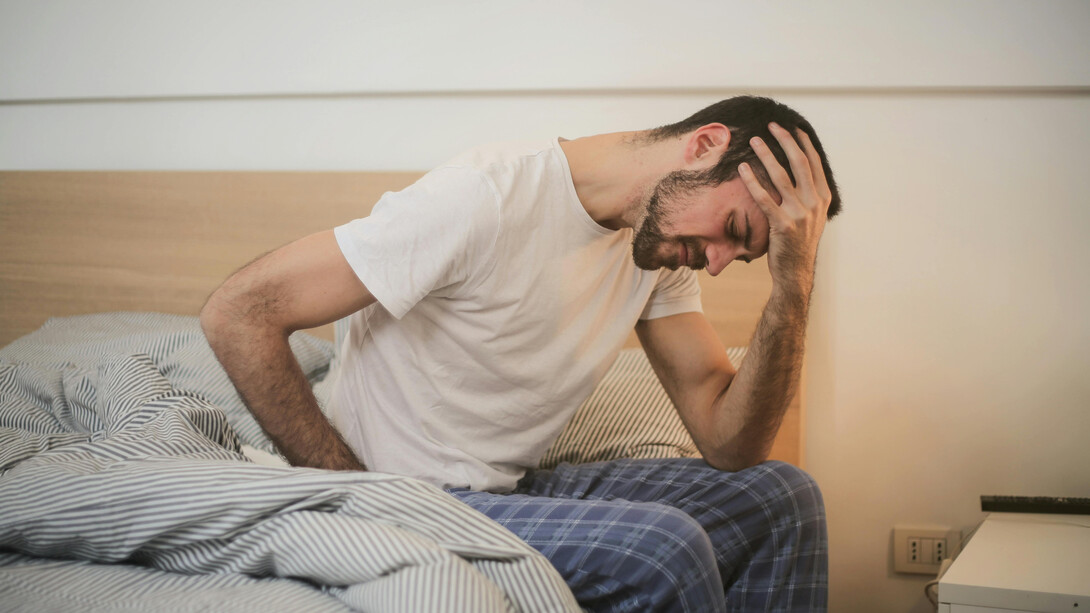
Did you know that the amount of energy a person has can be likened to the amount of money a person has access to? This would make children the billionaires of the world of energy. It also means that the amount of energy you have to spend is dependent on what you have in your energy bank. If you have a lot, then it’s probably not something that you put too much thought into. But the more limited your energy stores are, the more thought you will put into using them.
Post-pandemic the incidence of long-COVID is on the rise. An estimated 15% of people who have had COVID are experiencing long-haul symptoms, and that likelihood increases with every infection. One of the most common symptoms of long-COVID is fatigue. This is shared by other chronic illnesses such as ME/CFS (chronic fatigue syndrome) and other post-virus syndromes such as Epstein-Barr. So it begs the question: what does fatigue really mean?
It’s easy to write fatigue off as just being tired. I have been tired. I have been sick and tired. But I always get over it and what’s a little tiredness? Fatigue is not tired. Fatigue is an exhaustion that does not go away. Rest, at least short-term and sometimes long-term, does not cut through fatigue. When I first attempted to return to work after having acute COVID my energy level was so low that I had to choose between seemingly simple tasks in order to be able to make it and to perform my job. Did I take a shower or brush my hair? Did I pick up food or simply skip eating? At one point I bought a simple, flip card holder because it was too much energy to open my purse, find my wallet and open it.
Having a chronic illness is exhausting. The mere act of choosing which activities to engage in takes up precious energy. It is this part that is so difficult for others to understand. People with chronic illnesses look fine. We look the way we normally do. Some of us even put energy into looking okay. But there is a myriad of symptoms happening inside, not the least of which is fatigue. We simply cannot do the things we used to do. This is not limited to higher energy activities like working out or doing our jobs. Things we took for granted as rest activities now cost us. Television causes headaches. Reading is confusing and nothing sinks in. Going for a short walk is exhausting. Chronic illness steals everything and leaves little left to go on.
Post-COVID-19 condition or long-COVID is often when symptoms persist 12 or more weeks after infection. If you are feeling unwell for an extended period of time then you should consult with your doctor. They will often have many suggestions which may include time off work. Common symptoms include fatigue, headaches, cognitive problems, digestive issues, pain or a feeling of malaise.
There are not a lot of answers for why long-COVID happens or what exactly it is. There are many ideas about things that can help it or treat it. But in many cases, recovery is possible, at the very least improvement is. One of the most difficult things to do is to be where you are at this moment. Living in the modern era we are used to being able to fix things with some medication and a few days off. Sadly, this condition does not fall into that category. Long haul is an apt name. I found it difficult to come to terms with my abilities being so drastically reduced over such a seemingly short, two-week, illness. But here I was. On a leave with lots of time on my hands and too little energy to do much. What to do with that time?
The most frequent first step is rest. Some call it aggressive rest. Where you are doing almost nothing but resting. This often calls for extended time off work. When I first went on my leave I was frustrated with the lack of things that I could do so I experimented with simple things. I would spend my mornings outside. The park across the street has bleachers and lots of trees and squirrels. So I would sit in nature and enjoy the quiet. Quiet is a huge support when recovering because conditions like long-COVID often include sensory sensitivities previously not experienced.
I had to find something simple that could combat boredom. I picked up my crochet hook again. The repetition of the stitches meant I did not need to learn anything new, so no headaches came from it. I could also do a lot of the stitching from muscle memory. The repetition was soothing and calm, contributing to recovery. What is something simple you can do? Perhaps coloring or painting, building miniatures or lego. I know one person who makes lists of things and doodles. Something easy that does not cause your symptoms to flare but also gives you a sense of accomplishment. My crochet blanket now has three colors and can almost cover my whole body! It’s amazing when I think about how difficult things were when I first started it.
Another thing I found was support on social media. At the beginning of this journey going online was difficult at all. The light and reading triggered instant headaches but as time went on and I kept my online time limited, I found I was able to connect with others like me. Connection makes all the difference. You may find that your family and friends do not fully understand what you are experiencing. Finding support groups gives you that understanding and often has advice for the stage that you are in at any given moment.
Lastly, I do recommend finding a good therapist. A social worker or psychologist that you feel comfortable speaking to. Therapists are tools. They are there to help you and listen to you. When I was first in my chronic illness my therapist would do virtual sessions limited to 30 minutes. This way I did not spend energy driving, my time talking and listening was limited, and I could leave the meeting early if my symptoms acted up. My therapist also took it upon herself to research my condition so she could better discuss it with me. This is the sign of a good practitioner. If they go out and find information for you, they are a keeper!
I know that any chronic illness feels overwhelming. There are ways to manage it and I can even say that I have improved myself significantly. I will be sharing more strategies and theories in future articles. I did not think that I would be here, returning to work, writing articles, but I am! I hope that my experiences can bring some encouragement to you, wherever you are on your journey. Rest easy.