English
 Español
 Français
 Deutsch
 Italiano
 Português
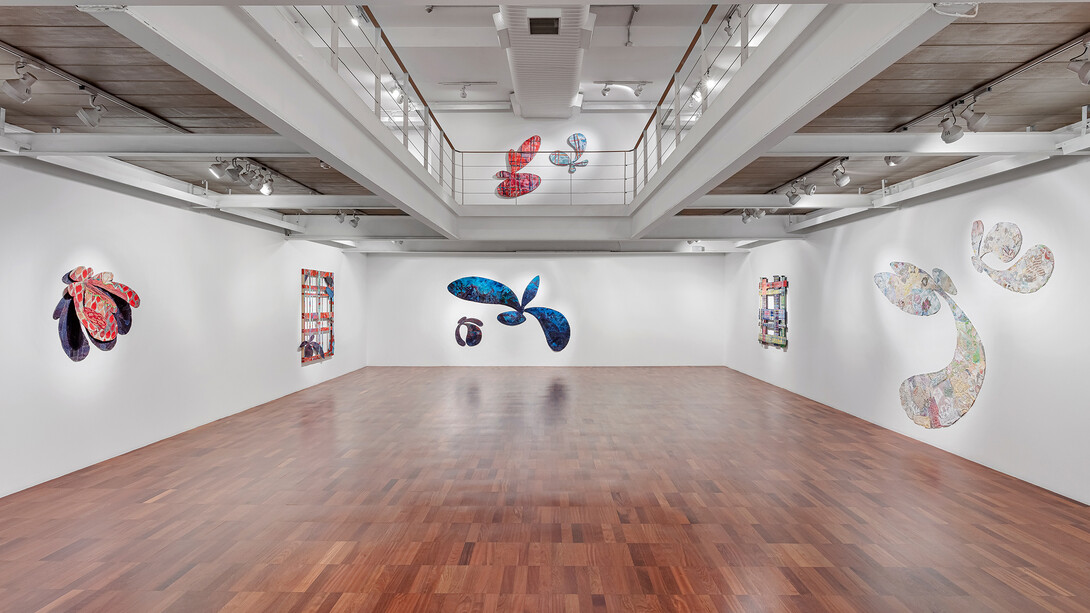
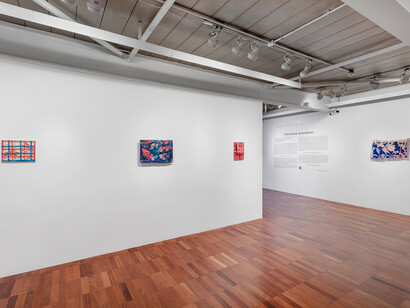
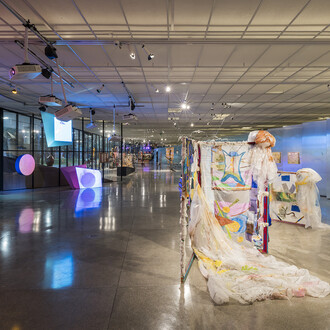
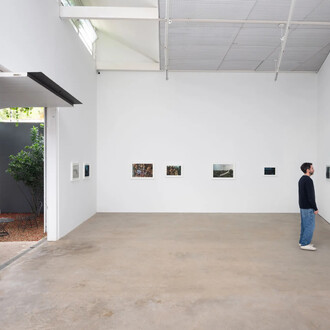
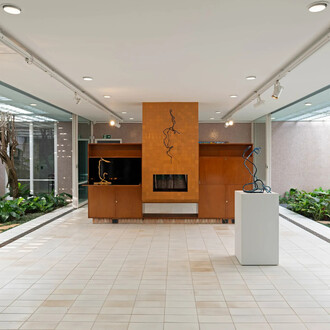
Curated by art historian Amanda Tavares, with a catalogue essay by architect, curator and researcher Omar Porto, the exhibition brings together 27 works produced between 2023 and 2026 and occupies the second floor and mezzanine of the gallery led by Vilma Eid. In parallel, Galeria Estação presents the Cardosinho Room: Special Collection, featuring eight recently acquired paintings by the artist, available for viewing at the same time.
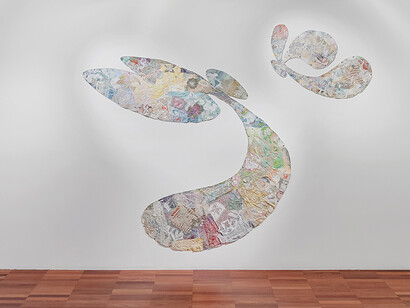
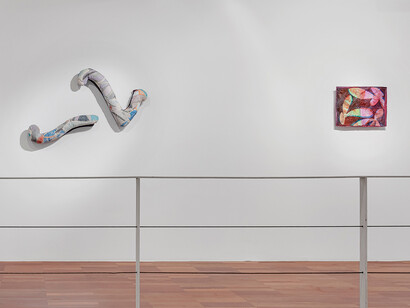
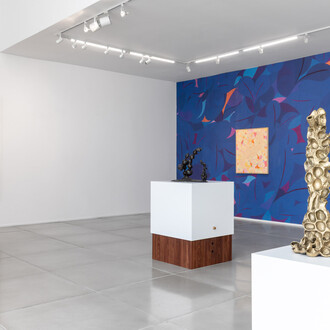
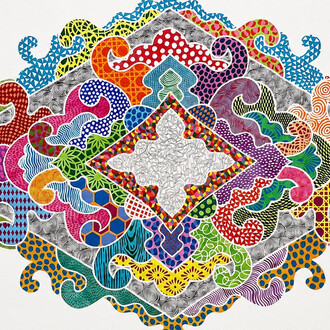
Opening on October 6 and running until November 28, 2026, Galeria Estação presents Toda minúcia, the second solo exhibition by São Paulo-based visual artist Andre Barion. Curated by Amanda Tavares, the exhibition brings together 27 works produced between 2023 and 2026, several of which have never been exhibited before, and occupies the gallery's second floor and mezzanine. The catalogue essay is written by architect, researcher and curator Omar Porto, who provides a historical overview of so-called textile art in order to contextualise Barion's work within the contemporary art scene.
The exhibition takes place at a significant moment in the artist's career, marking ten years since his first exhibition, his participation in the III mostra de projeções fotoativa, held in 2016 at Casa das Onze Janelas in Belém. Since then, Barion has developed a distinctive and highly personal artistic practice exploring the pictorial and sculptural possibilities of textile materials, bringing together sewing, painting and drawing. Toda minúcia is his first solo exhibition in São Paulo and the second of his career. His first, Firulas, was presented at Nonada Gallery in Rio de Janeiro in 2023.
"Rather than simply operating between different languages, Andre Barion works precisely in the space where these boundaries cease to be stable. In his case, one language unfolds within another, and what emerges is not exactly a fusion, but a zone of transition in which the individual processes remain recognisable while producing unexpected effects together. In this sense, the very process through which the works are constructed is also what disrupts our attempts to classify them," explains the curator.