English
 Español
 Français
 Deutsch
 Italiano
 Português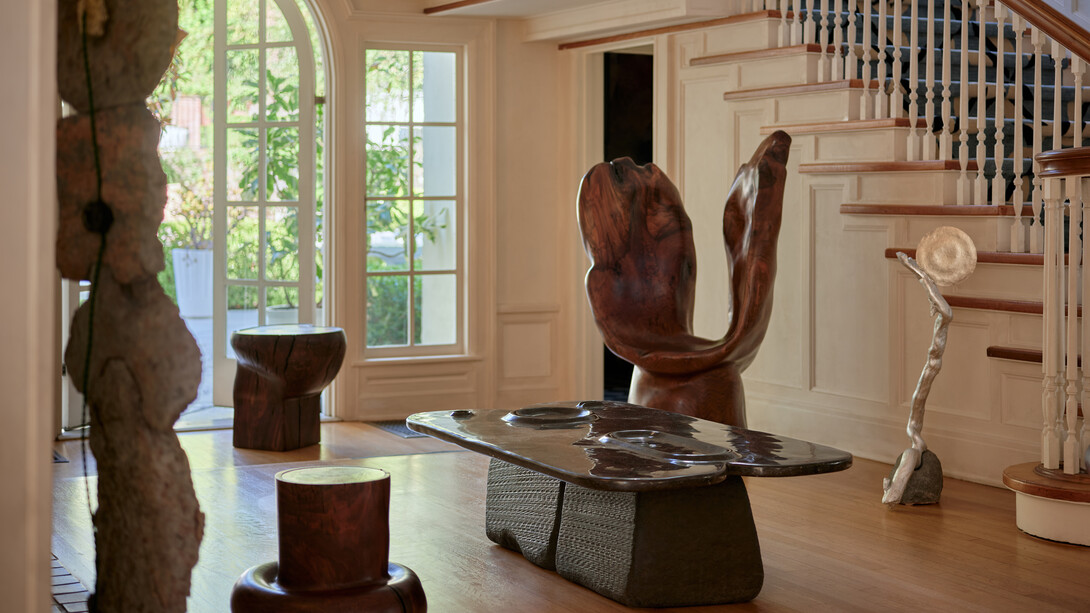
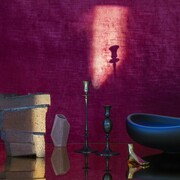
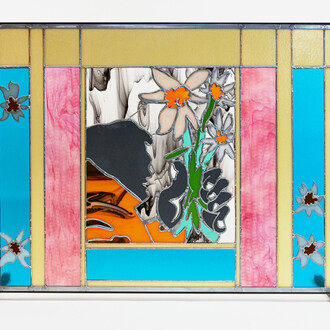
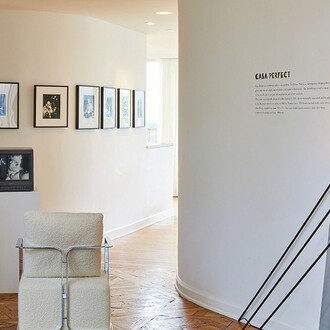
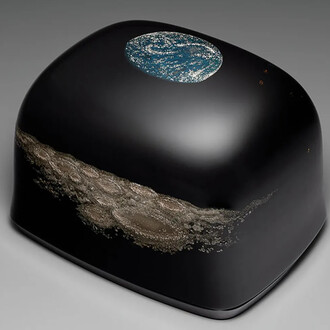
The Future Perfect presents Dark forest, silver moon by Ian Collings at the gallery’s Los Angeles location, the Goldwyn House. Featuring Collings’ newest body of work, the exhibition explores how, under moonlight, materials and forms shift, revealing new possibilities and mysteries. The changing contours of light and shadow bring unexpected shapes and narratives to the surface, inviting viewers to reconsider the creation, perception, and manipulation of materials. In his latest pieces, silhouettes become more than narrative devices; they act as shadow puppets from the universe, revealing unexpected ways of working, seeing, and thinking. This is Collings’ fourth solo show with the gallery.
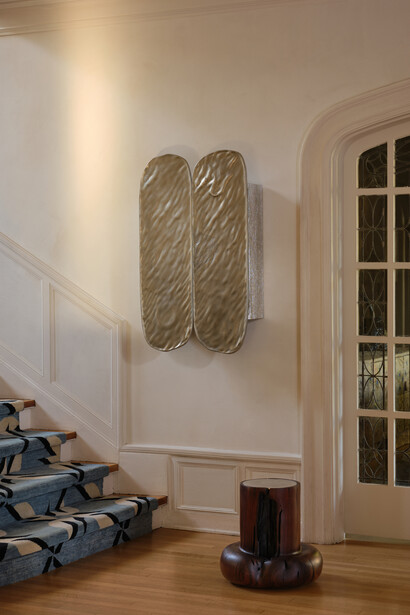
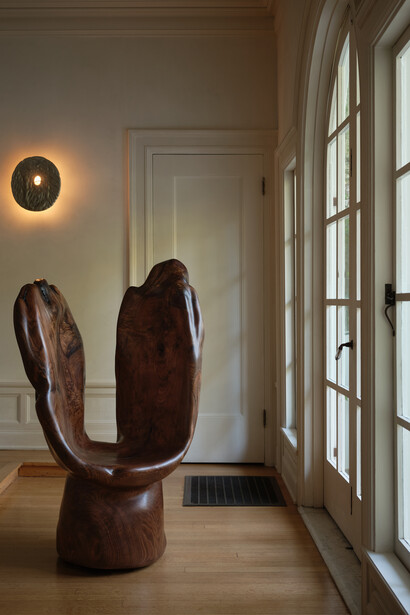
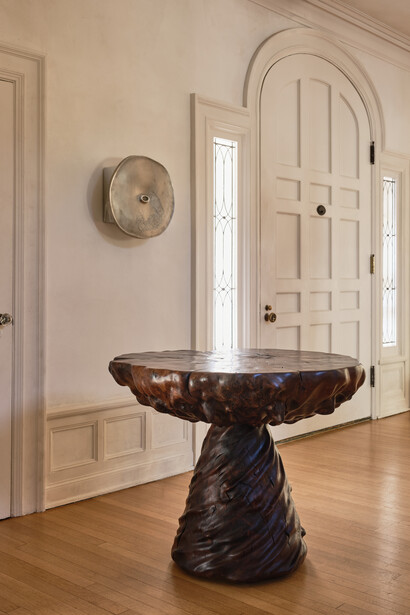
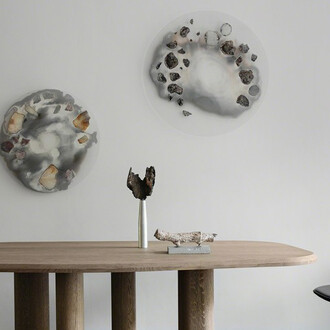
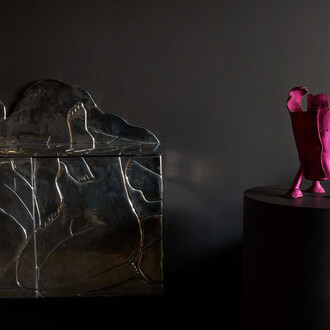
Representing a material pivot in Collings’ practice, Dark forest, silver moon marks a return to wood and an ongoing conversation with trees. Rather than imposing form, the work emerges through listening: to the intelligence of materials, the rhythms of natural processes, and the connections between body, landscape, and cosmos. Each material holds light differently. Carved root burls and tree cavities carry the weight of compression and growth, while cast tin catches and scatters illumination like the moon itself. Sculptural forms take on the shifting geometry of darkness, while cabinets and lighting become quiet vessels for light.
The works invite viewers to experience shadow not as something to overcome, but as something that shapes perception. The moon is a reminder of the subtleties of vast, persistent cycles at work in revealing forms that the dazzling daylight overlooks. Within darkness exists another kind of clarity, one that emerges slowly, asks viewers to linger, and deepens their relationship with the visible and the unseen.
In this exhibition, Collings suggests new ways to sit, gather, and dwell within the threshold between illumination and obscurity. The glimmer of cast tin against wood grain; a cabinet door like moonlight. In these works, darkness is never empty, but luminous with possibility. He reminds us that we are responsible for the vessel and what we put inside of it.