English
 Español
 Français
 Deutsch
 Italiano
 Português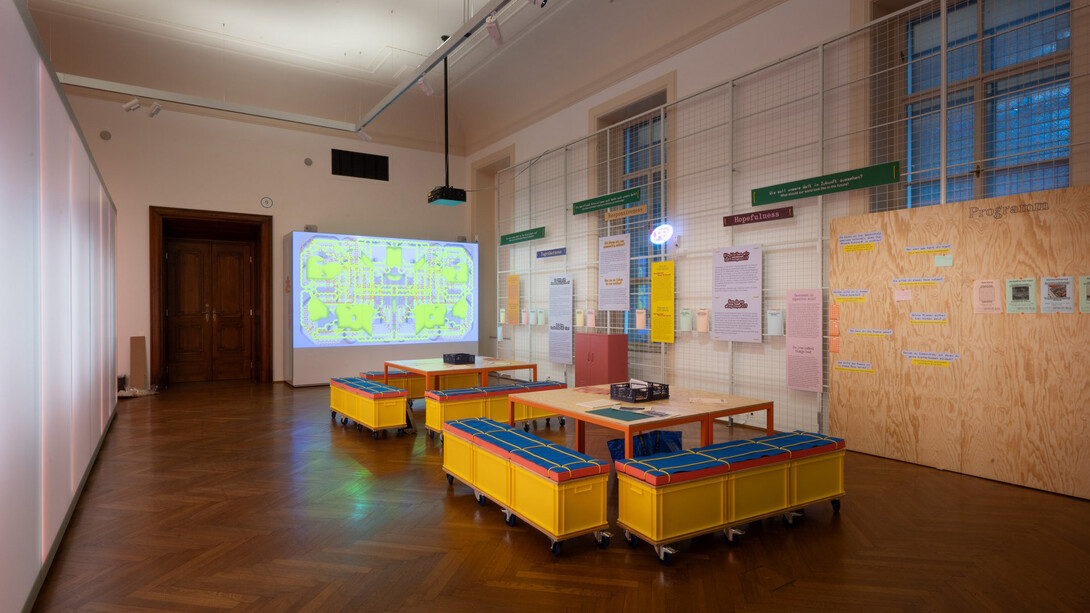
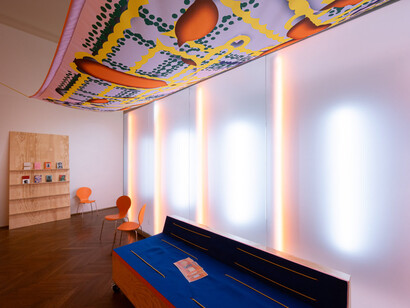
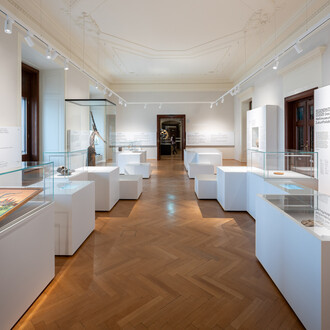
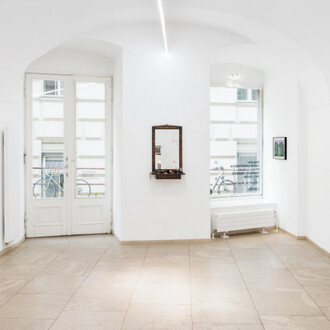
With Open space, the Weltmuseum Wien is creating a space that explores forms of participation, visibility and collaboration. Rather than providing ready-made answers, it creates a space for encounters, discussions, diverse experiences, and forms of knowledge, inviting communities from across the city to reflect on the world and the museum together.
What happens when a museum listens?
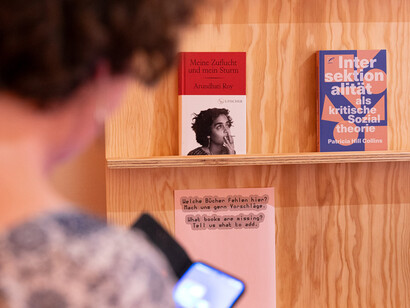
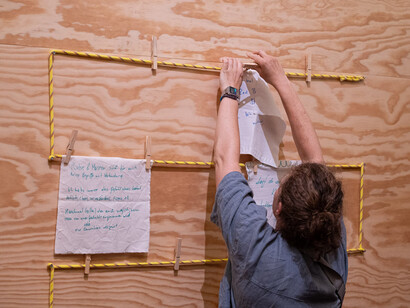
Open space is neither a traditional exhibition nor a fixed narrative. It is conceived as an open process: a place for listening, discussing, reading, creating, and co-designing. It is a space for perspectives that have hitherto been underrepresented in museums – a place to reflect together on what a museum can be today. The starting point is an interrogation of the roles and social responsibilities of ethnological museums.
The collections of the Weltmuseum Wien tell stories of historical and global interconnections and are linked to colonial power structures that continue to have an impact to this day. At the same time, Vienna has long been a post-migrant city, shaped by diverse socio-cultural experiences and realities of life. Open space is therefore also an invitation to different communities to reflect together on the world, the museum, and Vienna.
At its core are the themes of solidarity, joy, resistance, provenance, restitution, and the care for Human Remains. These themes are understood as integral parts of a dynamic social fabric – as expressions of community, creativity, and belonging.
Artistic positions in the Open space
Open space provides three invited artists with space for collective processes. Their works open up perspectives on themes such as memory and participation, inviting visitors to contribute their own experiences.
In Old town passages (2025), photographic artist Abigail Marcillo explores the continuities of colonial history within Ecuador’s precarious labour environments.
With letters to those who were once here (2026), the multidisciplinary artist and historian Tayla Myree turn to Black people who lived in Vienna in the 17th and 18th centuries.
In Are you scared yet? (2026), artist and political scientist Munira Mohamud humorously explores issues of ascribed identities and headscarf bans. Her second work, Come to the museum and Go to sleep (2026), brings the private sphere into the public museum in the form of a bunk-bed installation and textiles from Somalia.