English
 Español
 Français
 Deutsch
 Italiano
 Português
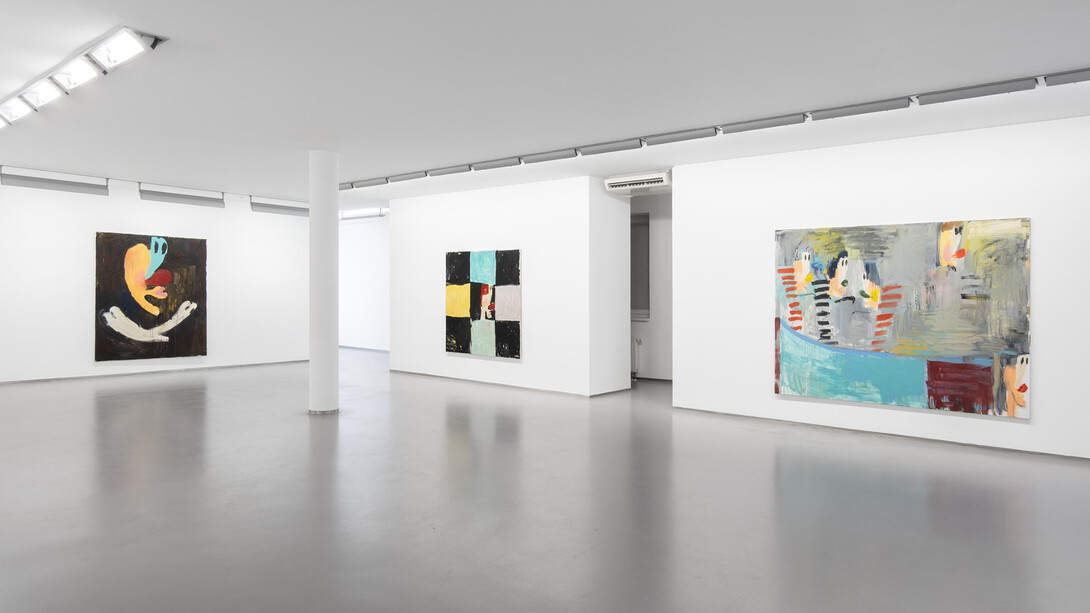
Twenty years ago, in October 2006, I was staying at the Katholische Höfe in Hannoversche Straße during a visit to Berlin. From there, I took the U-Bahn to visit Ulrich Wulff in his studio at Kottbusser Tor.
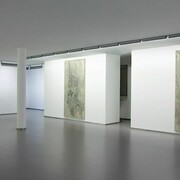
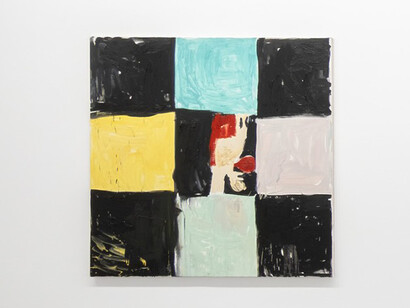
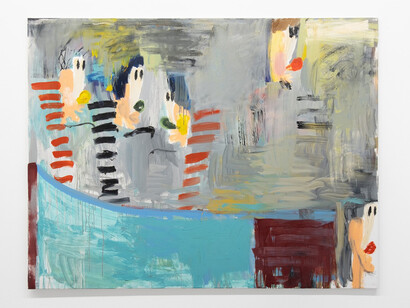
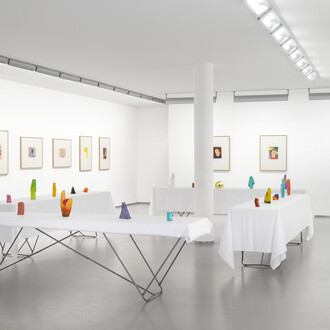
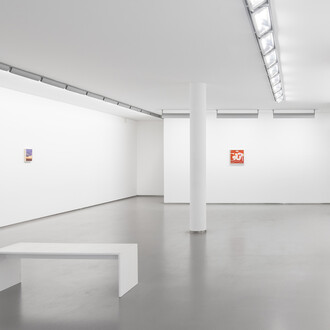
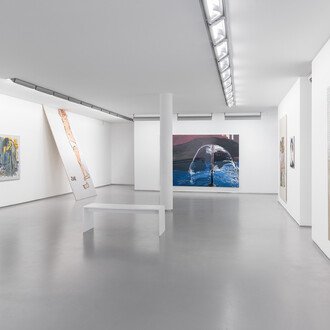
The studio was located on the balcony-like walkway of the Neues Kreuzberger Zentrum (NKZ), a twelve-storey social housing complex. Among the few neighbouring businesses were a nail salon, a betting shop and a Turkish café. The remaining commercial units stood empty. There was no sign of any significant artistic community in the surrounding area. All the works presented here were created in this very environment that same year.
While I encountered homeless people, drug dealers and youth gangs at Kottbusser Tor, the Art Forum was taking place at the exhibition grounds on the other side of the city. At the time, it was an important art fair, fuelled by the boom in art associated with Berlin’s new status as the capital. Today, most of the galleries that participated in the fair no longer exist.
This stark contrast has always stayed with me: on the one hand, Berlin’s art scene celebrating itself, and on the other, Ulrich Wulff, working in a place that was barely noticed or even known as a site of artistic activity.
The studio was not situated in a gentrified gallery district, but right in the midst of everyday urban life at the “Kotti”. The circumstances were challenging, yet they made it possible to claim a space and put it to artistic use. And gradually, more and more people made the unusual journey to encounter Ulrich Wulff’s wonderful art.
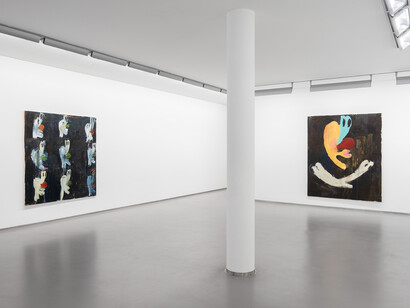
Ulrich Wulff now lives with his family in Görlitz, but his works are exhibited internationally, in Los Angeles, Madrid and Naples, in Geneva, Copenhagen and, of course, here in Innsbruck.
(Text by Bernd Kugler. Innsbruck, October 2026)