English
 Español
 Français
 Deutsch
 Italiano
 Português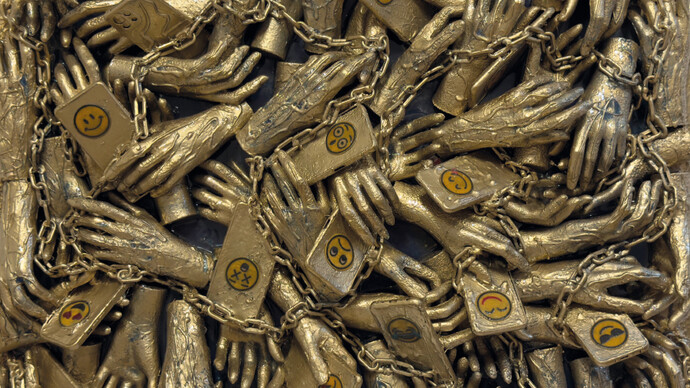
In an age increasingly defined by systems of control, borders, and protective devices, security appears to be a constant promise—yet an increasingly fragile one. It is precisely from this contradiction that Safe. No one is saved alone, Andrea Musto's solo exhibition curated by Paola Martino, takes shape. The exhibition will be on view at Spazio Mu.Ro in Milan from September 22 to October 4, 2026.
The exhibition explores one of the most pressing issues of our time: the relationship between security and vulnerability, protection and isolation. On one side are lives devastated by war, violence, and forced migration; on the other, individuals who appear to be safe yet are increasingly isolated, disconnected, and unable to build meaningful human relationships. These seemingly distant realities are brought together through Musto's work, revealing them as expressions of the same shared human condition.
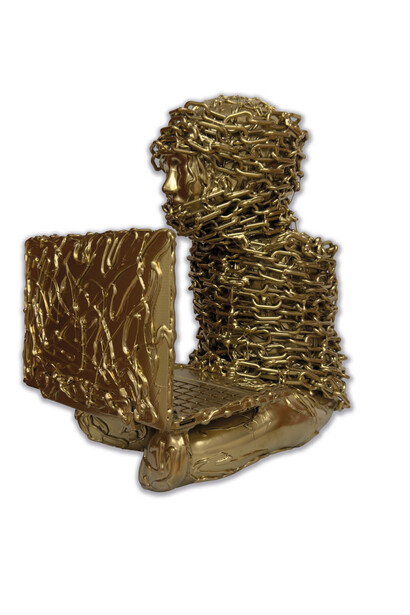
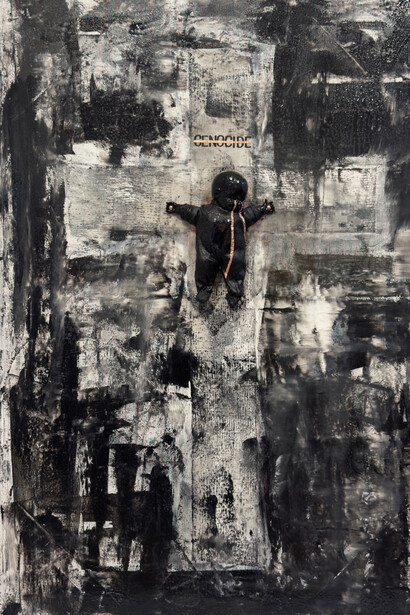
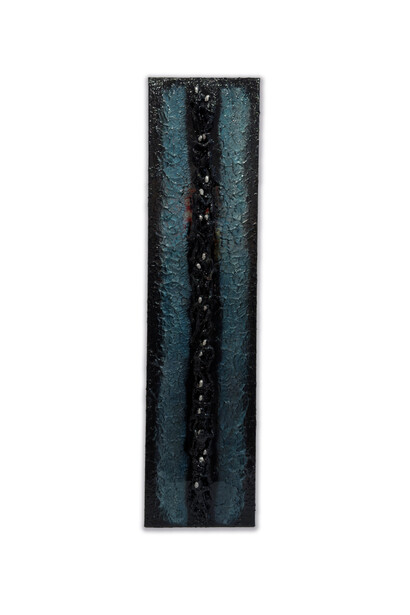
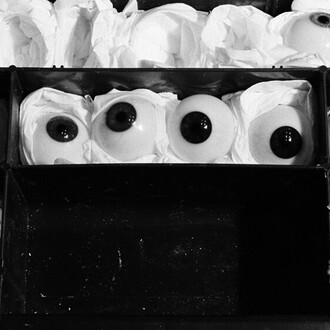
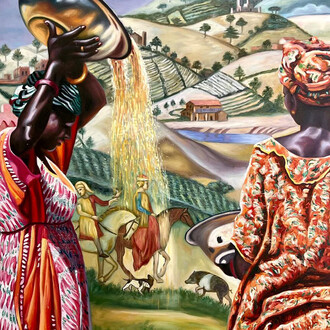
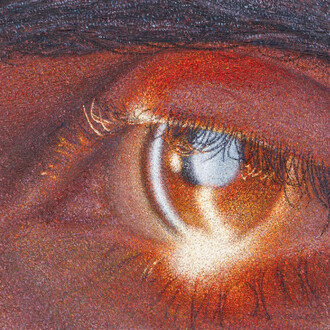
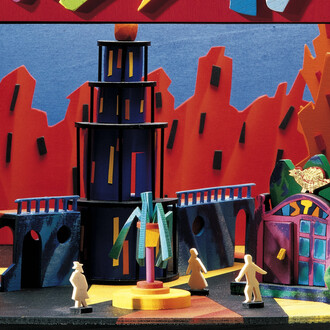
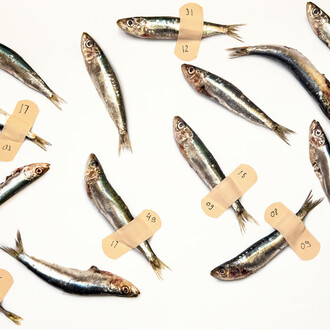
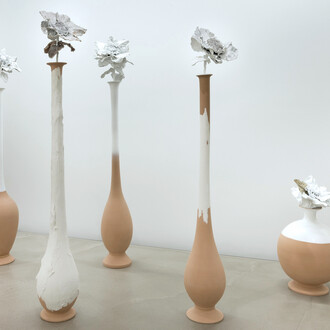
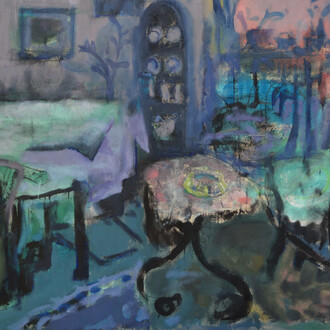
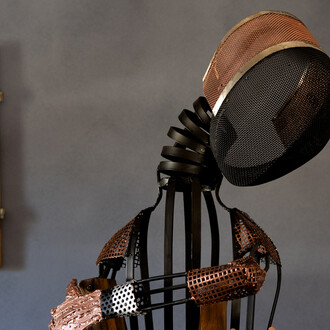
Andrea Musto's works do not seek an aesthetic representation of suffering; instead, they make its presence tangible. Sculptures, installations, and materially charged works create a journey in which bodies, hands, children, mothers, and fragments of memory become witnesses to a shared vulnerability. The very materiality of the works—raw, layered, and scarred—preserves the traces of trauma, transforming the exhibition space into a place of direct confrontation with the present.
As curator Paola Martino explains: "We live in a time that continuously constructs the idea of security. Borders, screens, devices, routines—everything seems designed to protect us. Yet this protection is fragile, often illusory. Safe emerges from this very contradiction, reminding us that no one can be saved alone".
The exhibition unfolds as a journey through the many forms of contemporary fragility. From the imagery of war to the ruins of history, from migration and borders to the new forms of loneliness generated by hyperconnectivity and social alienation, each work invites visitors to question what it truly means to be safe.
Musto's practice engages in an implicit dialogue with an artistic tradition that stretches from Francisco Goya to Anselm Kiefer—artists who sought to give form to the unrepresentable, not by depicting violence itself but by making its aftermath and lingering traces visible. The wounds of historical memory—from the Siege of Leningrad to today's conflicts—intertwine with the anxieties of the present, collapsing geographical and temporal distances.
The exhibition also demands a physical response from the viewer. Several works are placed directly on the floor, compelling visitors to alter their posture and transforming the act of looking into one of participation and responsibility. Alongside the installations, notebooks suspended in space present fragments of thoughts, annotations, and reflections. They do not explain the works; rather, they expand their human dimension, presenting writing as an act of resistance against oblivion.
As Paola Martino observes: "The children who grow up among the rubble and those who turn play into a simulation of trauma belong to the same time. In a world where some struggle simply to survive, others disappear without ever moving. Two different conditions, yet inseparable".
Safe. No one is saved alone offers neither answers nor consolation. Instead, it invites us to recognize that security cannot be built through separation, but only through shared responsibility. In an era marked by armed conflicts, humanitarian crises, and new forms of social isolation, the exhibition reaffirms the role of art as a space of testimony and critical awareness—one capable of giving visibility to what is too often ignored.