English
 Español
 Français
 Deutsch
 Italiano
 Português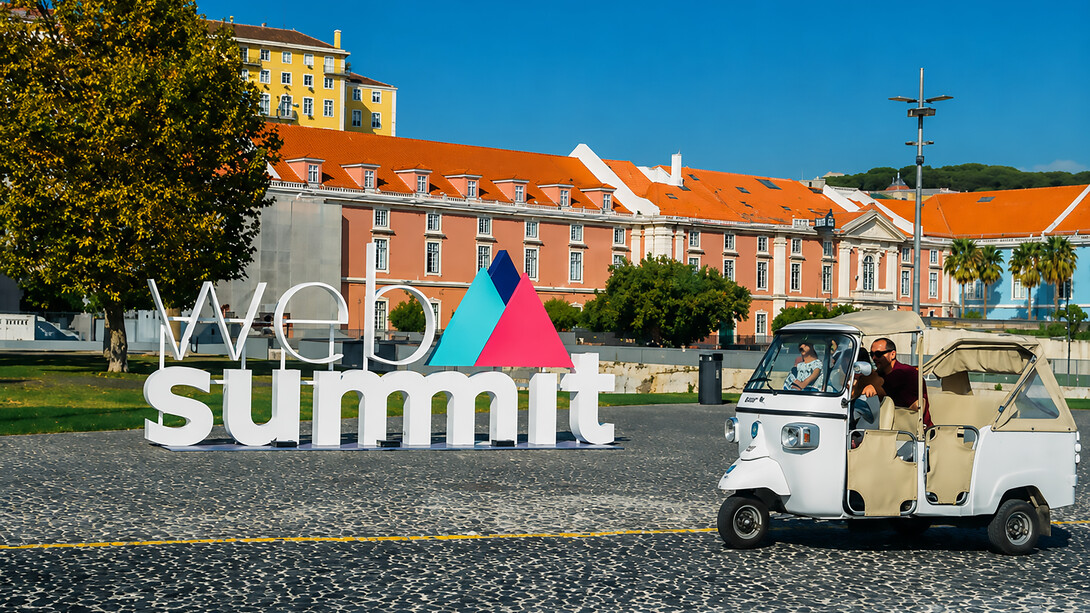
It started small. Really small. Back in 2009, a guy named Paddy Cosgrave rounded up about 150 people in Dublin for a little tech gathering. Nothing fancy. Just some folks who wanted to talk about the future of the internet and maybe grab a drink afterward. Fast forward to now, and that little get-together has turned into something massive. We're talking: over a million business people have walked through its doors over the years. And the main event? That happens in Lisbon every November.
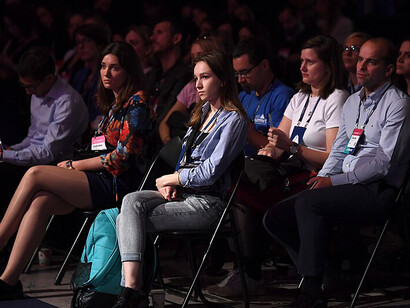
This year, from November 9 to 12, over 70,000 people are showing up. That's not a conference anymore. That's a small city.
What actually happens there?
Okay, so here's the thing about Web Summit. It's not just a bunch of people sitting in chairs listening to someone talk for an hour. Sure, there are talks. There are masterclasses too. Industry experts run those, people from companies you've definitely heard of. They're not just rambling either. They're giving you stuff you can actually use. Practical skills. Real insights. They tell you where things are heading and how you can get there yourself.
Finding your people
Look, I'm going to be straight with you. Walking into a space with 71,000 strangers can feel like a lot. Overwhelming even. You're standing there, name tag on, wondering how on earth you're supposed to find the one person who actually matters to your business.
Web Summit figured that out. They built this AI system that works like a matchmaker, but for business. It looks at what you're into, what industry you're in, and what you're trying to build. Then it points you toward the people who fit. Founders who need money get connected with investors. Developers find other developers who want to build cool stuff. Executives looking for fresh ideas find people who are actually thinking differently.
It's not random. It's not luck. It's technology doing what it's supposed to do. Making things easier.
And there are these things called Meetups. They're smaller, more focused gatherings. You're not just swapping business cards and forgetting names five minutes later. You're actually talking. Real conversations. The kind that turns into something.
Where startups become something big
Here's a fun fact. Remember when Revolut was just an idea? Or Uber? Or Stripe? Or Canva? They all started somewhere. And for a lot of them, that somewhere was Web Summit.
These companies were once just another booth on the show floor. A few people with a dream and a laptop. Now they're everywhere. They changed how we pay for things, how we get around, and how we design stuff. Last year alone, over 5,000 startups exhibited at Web Summit events around the world. That's not a typo. Five thousand.
So when you walk that show floor, you're not just looking at a bunch of booths and banners. You're looking at the future. Some of those ideas are going to flop. That's just how it works. But some of them? They're going to be the next big thing. And you get to see them before anyone else does.
There's this energy there. You can feel it. People are excited. They're nervous. They're hopeful. They're showing off things they've spent months, sometimes years, working on. And the people walking by? They're investors, customers, and industry leaders. The people who can actually make things happen.
But here's the real secret
The conference floor is great. The masterclasses are useful. The networking is smart.
But the real deals? They happen after dark.
When the sun goes down, Lisbon comes alive. And Web Summit takes full advantage of that. There are curated networking events. Informal meetups. Industry gatherings in some of the most beautiful spots you can imagine.
And that's where the walls come down. You're not a CEO, and they're not a founder. You're just two people having a drink, maybe some dinner, and talking about what you're working on. The pressure's off. The guard's down. The conversations get real.
Sometimes the best partnership starts over a plate of seafood or a glass of wine. Not in some sterile boardroom with a whiteboard and a PowerPoint presentation.
The city itself becomes part of the experience. You're immersed in local culture. You're eating Portuguese food, walking cobblestone streets, and feeling the ocean breeze. And the whole time, you're building relationships that actually mean something.
That's the thing about Web Summit. It's not just business. It's not just tech. It's people. Thousands of them, all in one place, all looking for the same thing. Connection. Opportunity. A way forward.
So, should you go?
If you care about where technology is heading, if you're building something, if you're investing in something, or if you just want to be around people who are thinking about the future in a big way? Yeah. You should go.
It's loud. It's crowded. It's a little chaotic sometimes. But that's kind of the point. The world is loud and crowded and chaotic. And the people who figure out how to navigate that chaos? They're the ones who win. Web Summit gives you a chance to practise that. To meet the right people. To learn the right things. To see what's coming next.
And hey, even if none of that happens, you're in Lisbon. In November. With 70,000 interesting people. That's not a bad way to spend a few days.
So book the ticket. Pack your bags. Bring your best ideas and your most open mind.
Just don't forget to leave some room in your schedule for dinner.
That's where the real magic happens anyway.