English
 Español
 Français
 Deutsch
 Italiano
 Português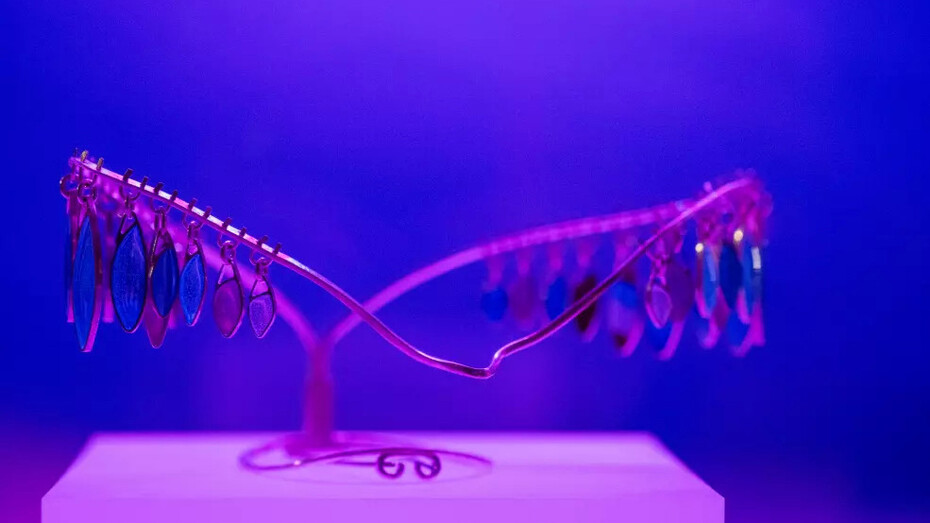
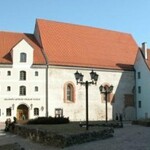
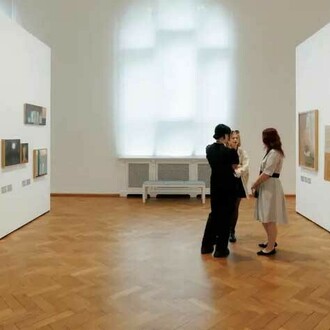
The Museum of Decorative Arts and Design in Riga (Skārņu iela 10), in co-operation with the Latvian Jewelry Art Association, is continuing its pop-up exhibition series, Spectrum, reflecting current developments in Latvian jewelry art. Visitors are invited to view the second exhibition titled Beautiful Nature from 10 June to 13 September 2026.
Following first pop-up exhibition Artist’s signature, which highlighted the individual creative languages of the participating artists, the next exhibition in the cycle turns to nature as a source of inspiration, material, memory, and process. It reflects one of the most significant directions in contemporary jewelry art – the ability to address global and pressing issues through objects of intimate scale.
“Terms gradually accumulate meanings, and when they no longer accurately describe what is happening, a new language becomes necessary. When speaking about contemporary jewelry art in Latvia, the phrase ‘inspired by nature’ is no longer sufficient – it has become too general. I am interested in contemporary jewelry as a sensitive sensor: between people and the environment, between touch and memory,” explains curator of the pop-up series, Ginta Grūbe.
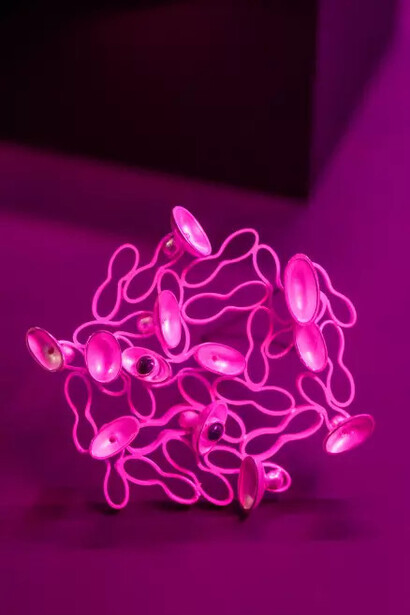
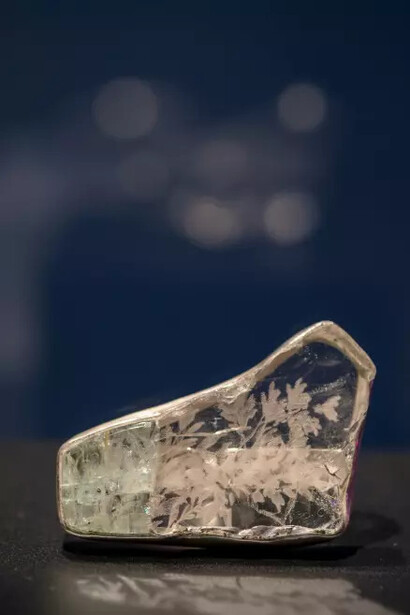
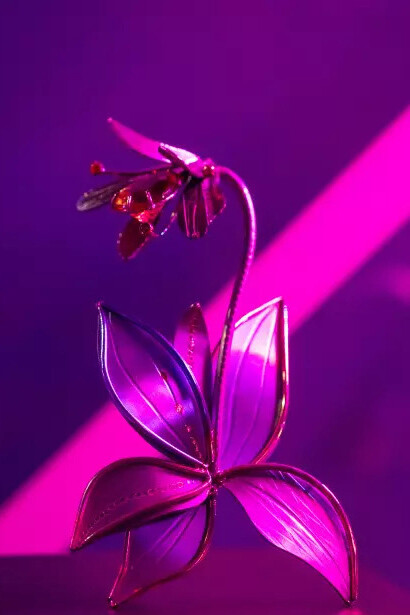
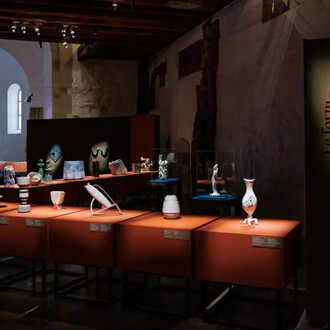
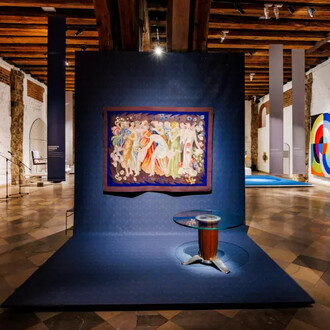
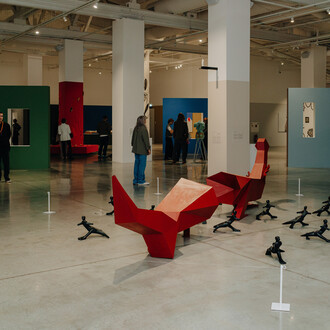
The exhibition is conceived as a living archive or laboratory, set among industrial metal structures, herbarium aesthetics, glass vessels, light spectra, and artificial cultivation environments. Jewelry pieces and objects are presented as findings, specimens, or hybrids between the organic and the synthetic. The overall atmosphere is defined by the violet glow of plant-growing lamps, creating the impression that nature no longer exists solely outside us – it is cultivated, preserved, reconstructed, and at times imitated.
Jewelry artist Anna Fanigina has repeatedly emphasized in interviews that people seek more than simply a form in jewelry: “When buying a piece of jewelry, we are most often buying inspiration and the story connected to it.” This idea permeates the exhibition, where each work becomes a personal and poetic attempt to capture humanity’s relationship with the living world.
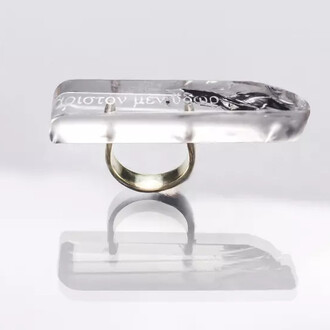
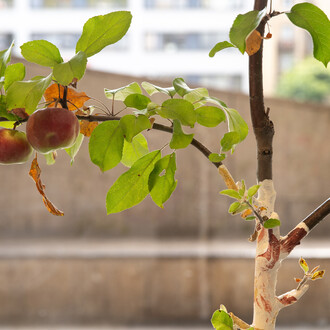
The exhibited works reveal nature on multiple scales – from microscopic structures to embodied experiences. Artists explore the forms of seeds, leaf veins, mineral surfaces, biological processes, and human interactions with the environment, while also reflecting on contemporary ecological anxiety, sustainability, and the commercialization of nature’s aesthetics. Here, jewelry transforms into personal artifacts that preserve memories of contact with nature at a time when it is increasingly experienced through technological filters.