English
 Español
 Français
 Deutsch
 Italiano
 Português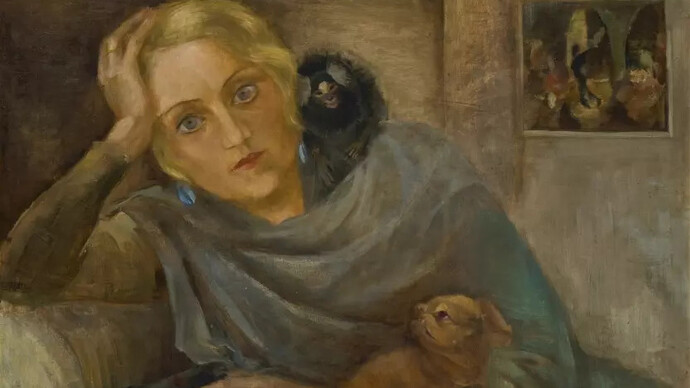
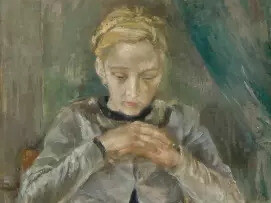
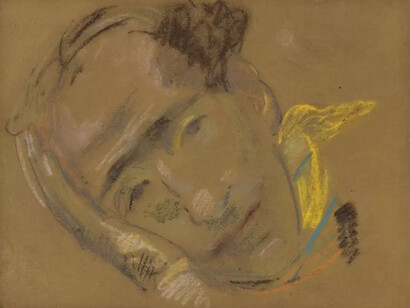
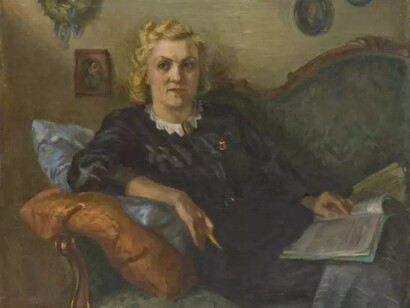
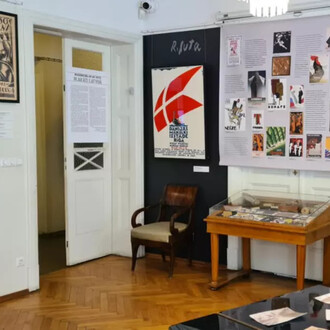
From 3 March 2026 to 27 February 2027, the exhibition Melancholia imaginativa is on view at the Romans Suta and Aleksandra Beļcova Museum in Riga (Elizabetes iela 57a, Apt. 26), revealing the peculiarities of characters in Aleksandra Beļcova’s portrait painting.
The theme of melancholia has a long history in European art. In ancient times, melancholia (from Greek “black bile”) was considered to not only be a peculiarity characteristic of one of the temperaments, but also an affliction which negatively affects a person’s thinking and psyche. The Renaissance changed the attitude of thinkers and artists towards melancholia, coming to see it as a mark of a genius, thinker, scientist. The Italian philosopher Marsilio Ficino termed this type of melancholia Melancholia imaginativa.
The tradition of depicting melancholy characters in art has been developing since antiquity. Ariadne abandoned by Theseus and Penelope waiting for her Odysseus, or the image of Melancholia from Albrecht Dürer’s famous engraving – all of these figures have a certain iconography. It is the so-called “thinker’s pose”: sitting with head supported by one hand, hands crossed on the chest, head slightly bowed, eyes downcast – mentioned attributes unmistakably pointed to the link between the character and melancholia.